
Material · Holdon Paris
Copper
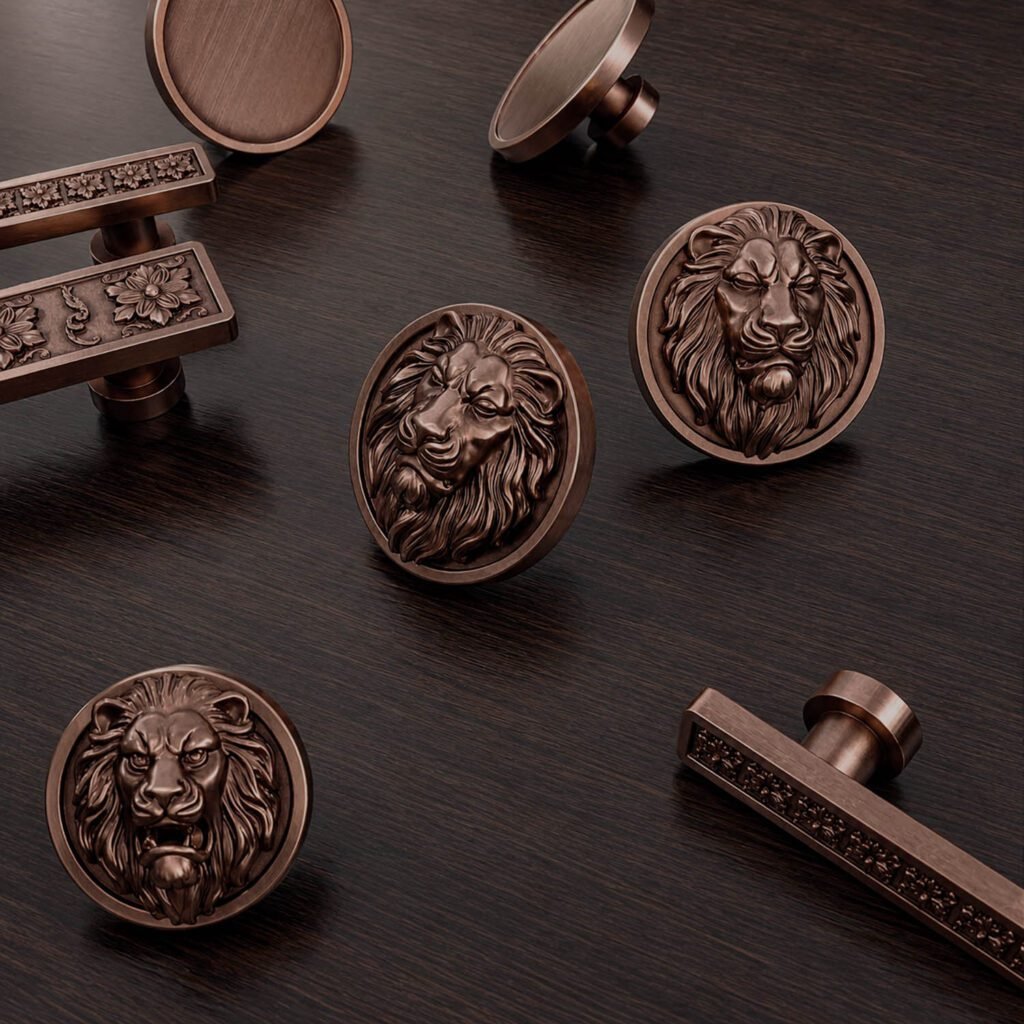
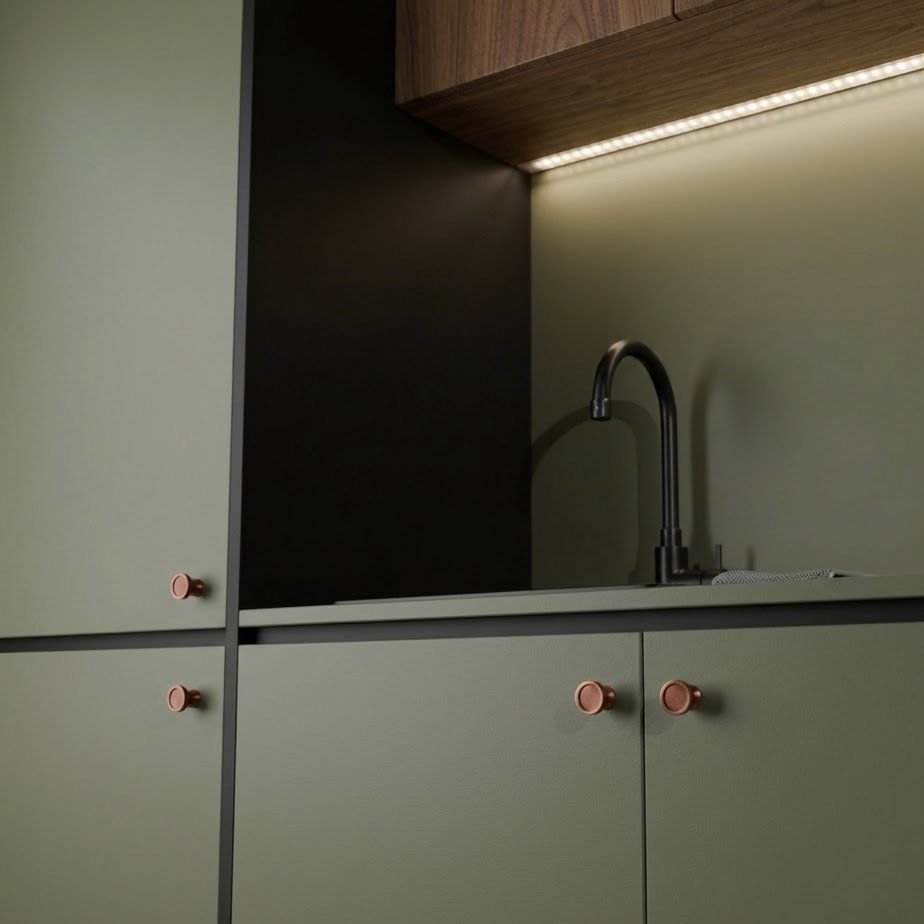
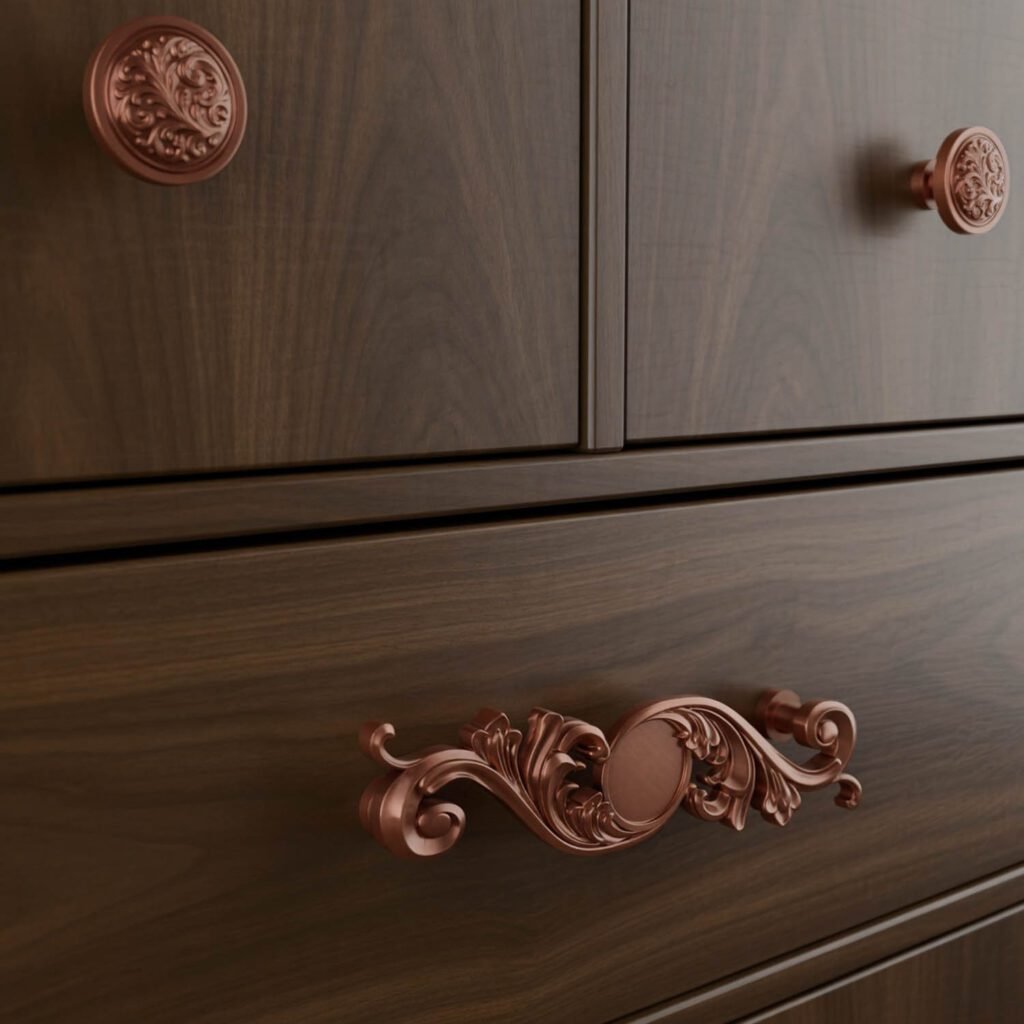
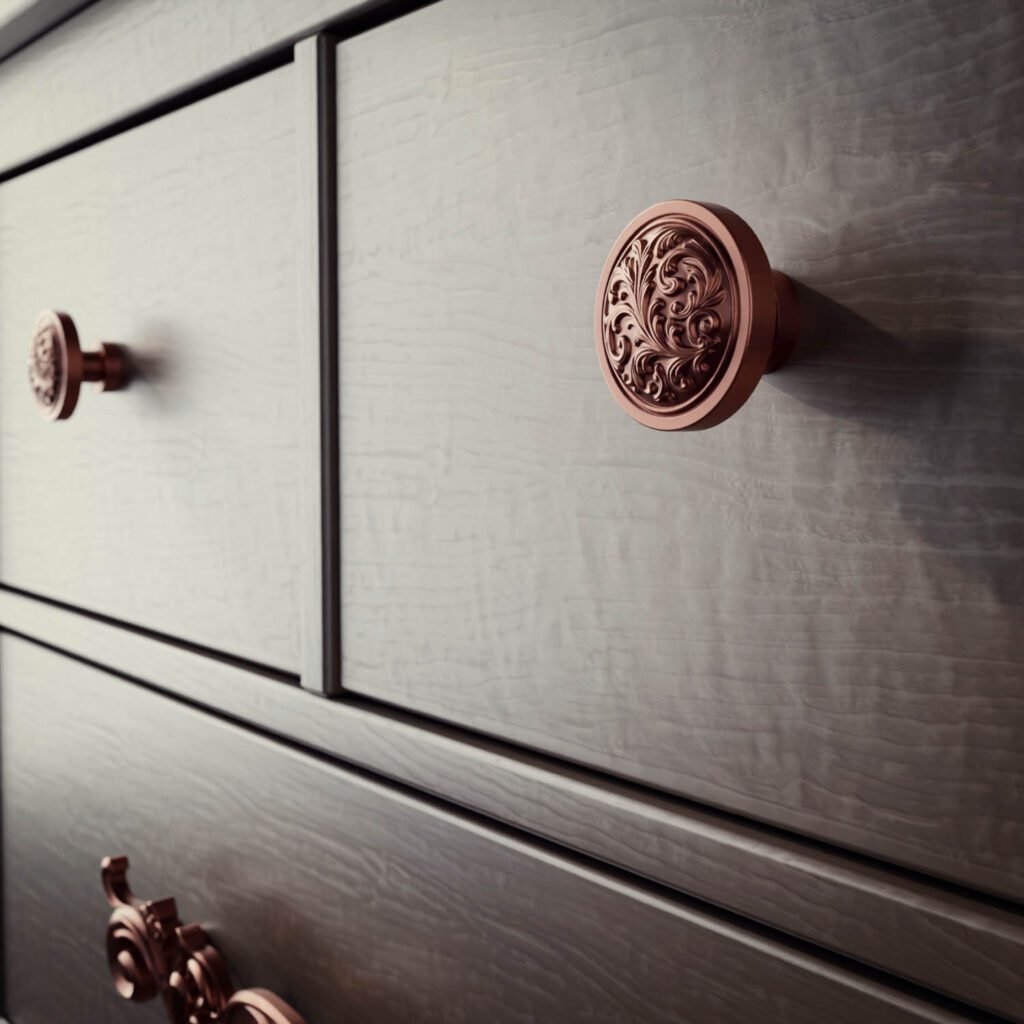
Copper brings an instantly unique visual warmth: a glowing, living metal with orange highlights and a patina that grows more beautiful with time. Our copper cabinet handles and knobs give character to a kitchen, dresser, or closet.
The character
Copper: what it tells

Copper brings an instant, distinctive warmth: a glowing, alive metal with orange undertones and a patina that only deepens with time. Our copper handles and copper cabinet knobs give character to a kitchen, a dresser, or a closet, from industrial style to contemporary chic.
Choose polished copper (glossy), brushed copper (softer), or aged copper (deeper, more vintage). Whether you’re after drawer knobs, cabinet pulls, pulls, or decorative hardware, copper delivers that quiet touch of elegance, no full furniture overhaul required.
Handcrafted at our atelier in Paris
How our Copper handles are made
Each piece is cast from ultra-fine pure copper powder blended with resin. This composite captures the warm, glowing tones and visual richness of solid copper, with a level of sculpted detail unreachable by traditional casting, for an object that is both more precise and lighter.
Inspiration
A few Holdon handles in pictures
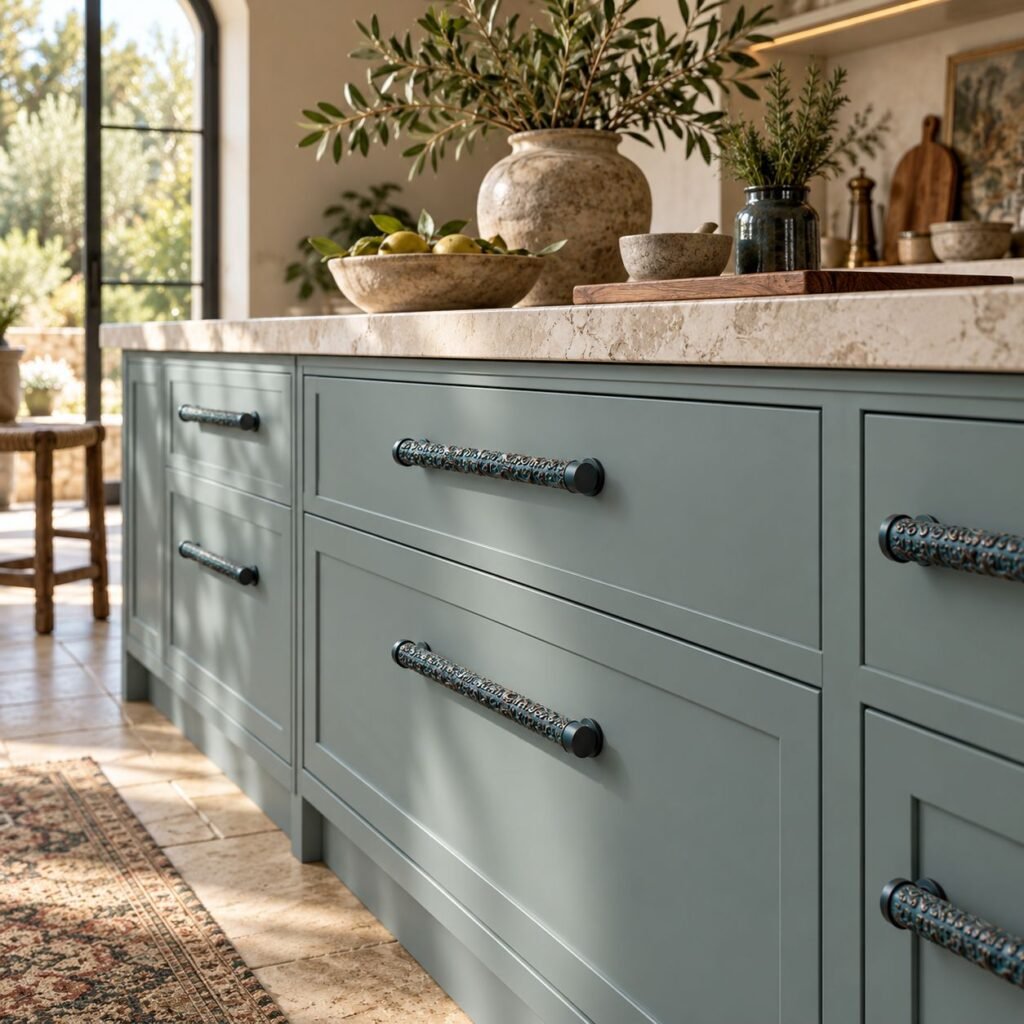
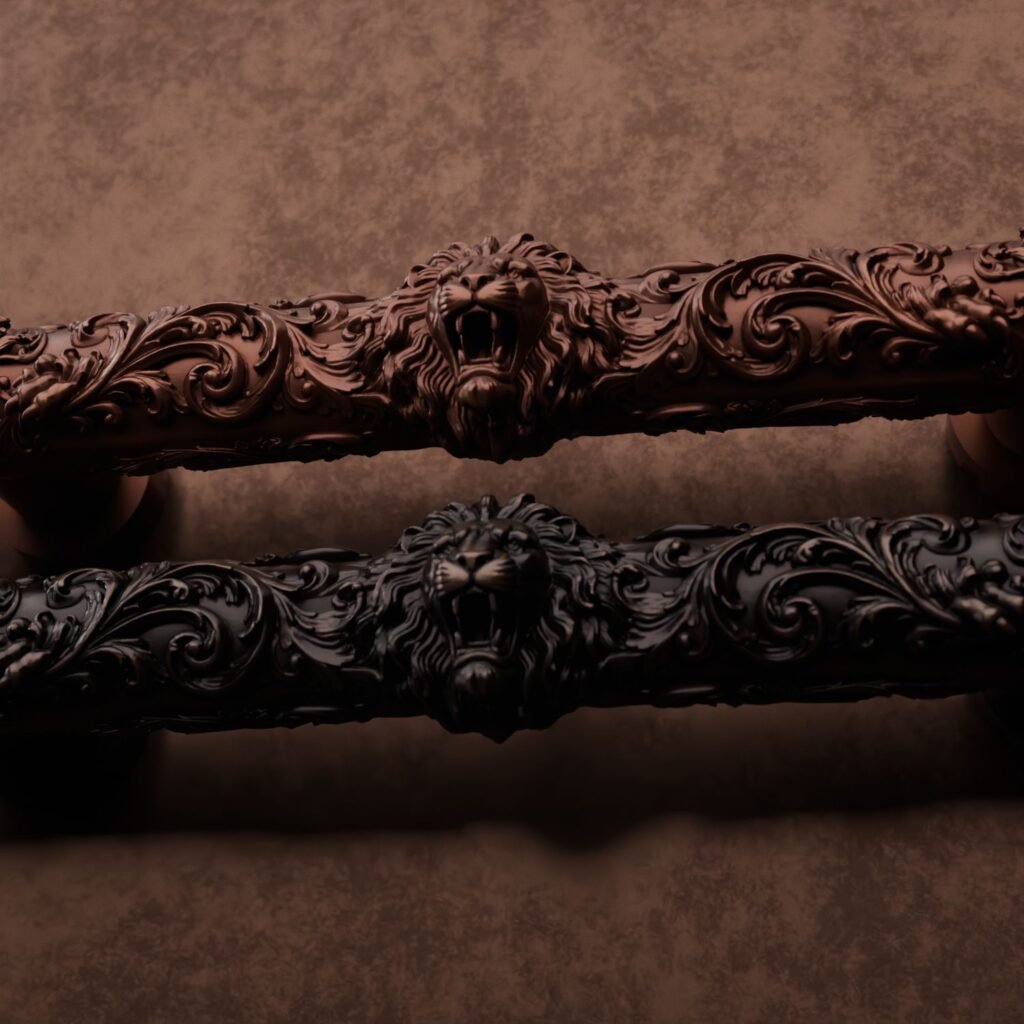
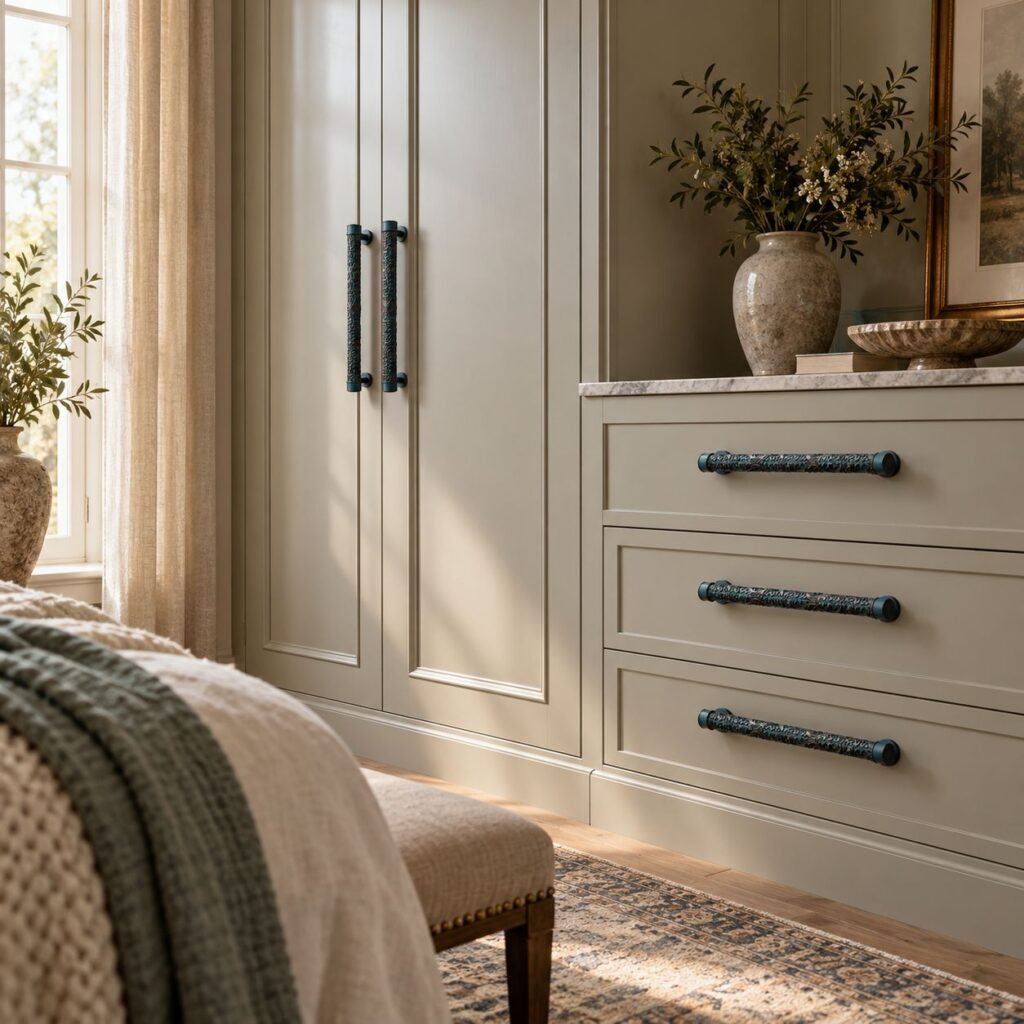


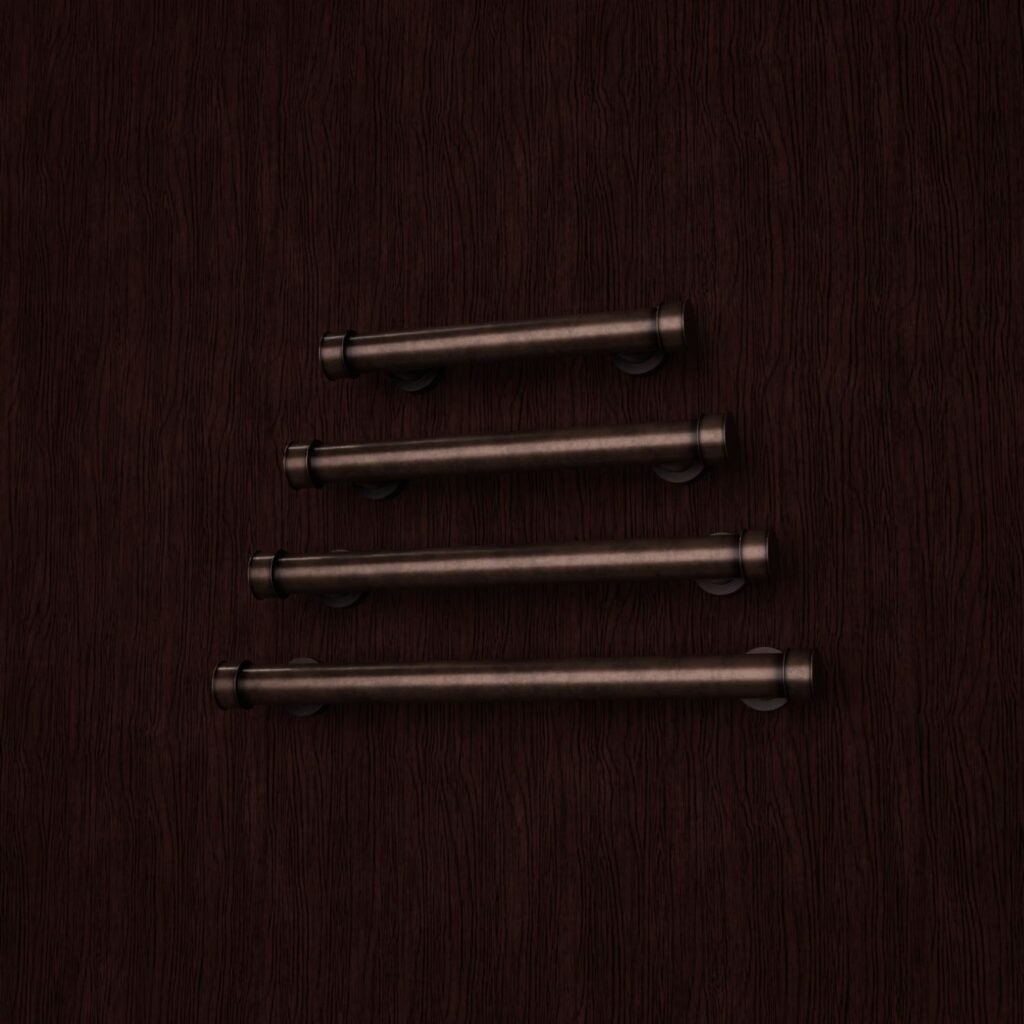
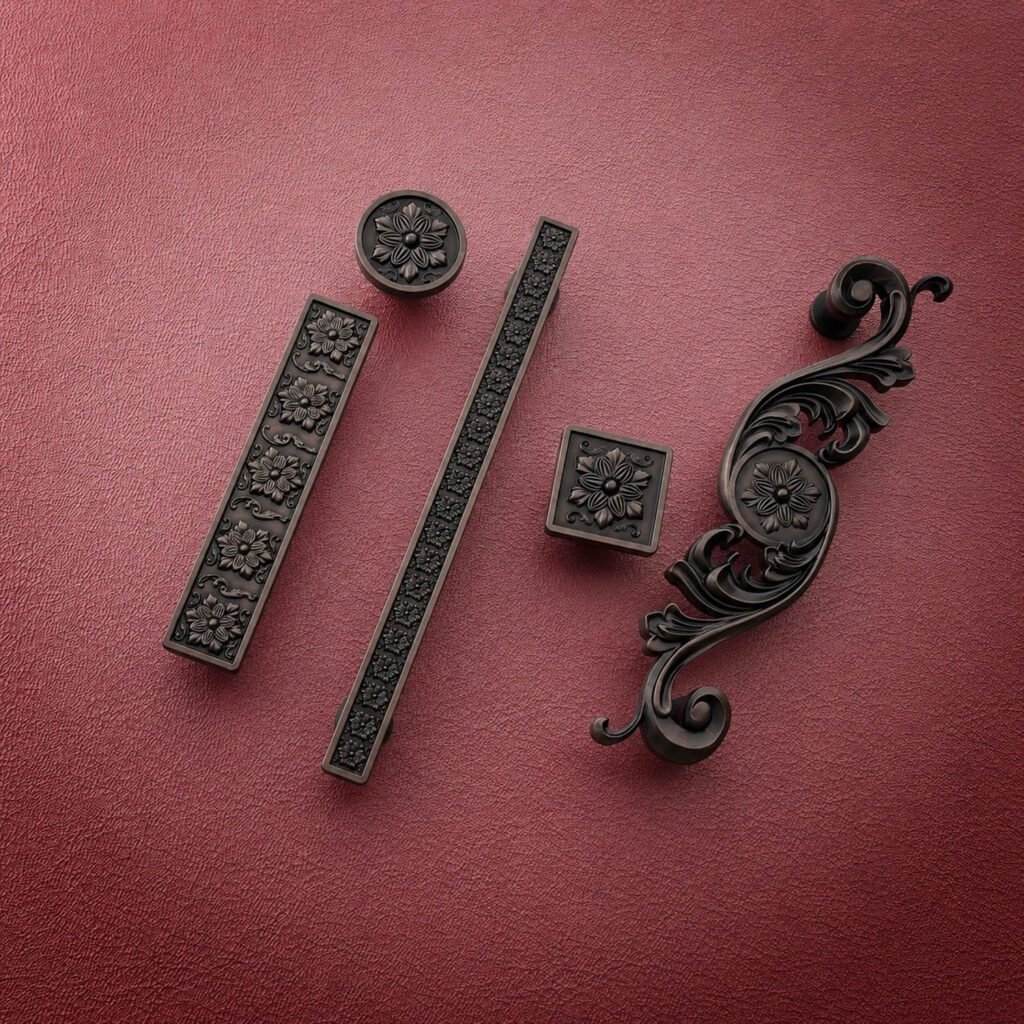
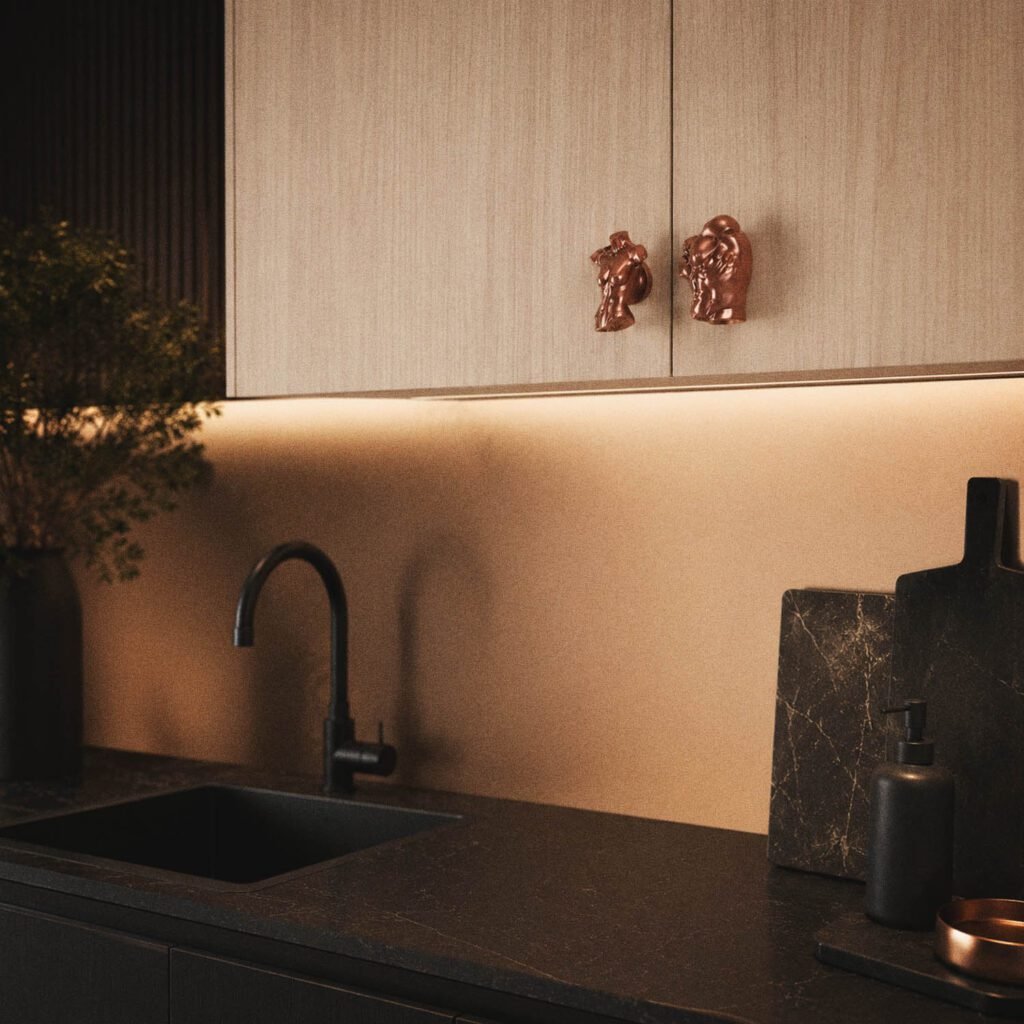
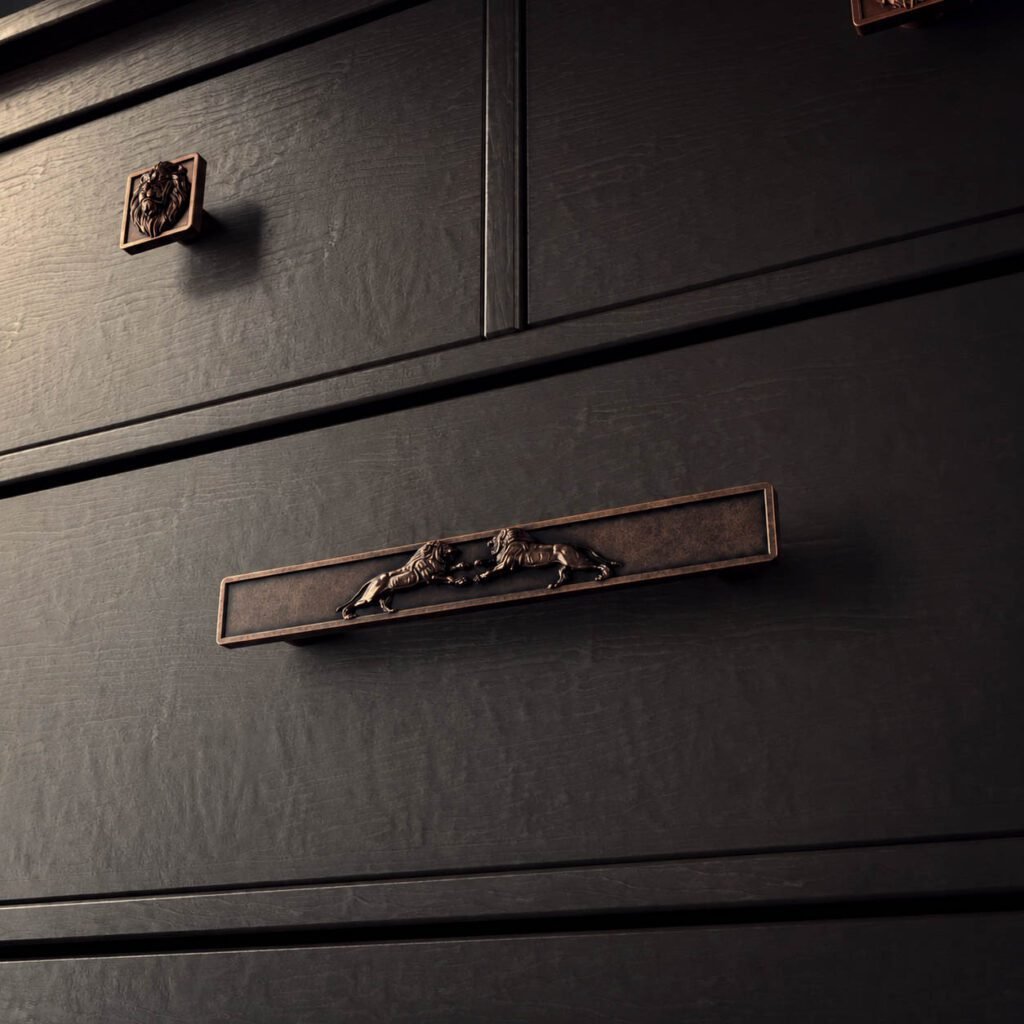
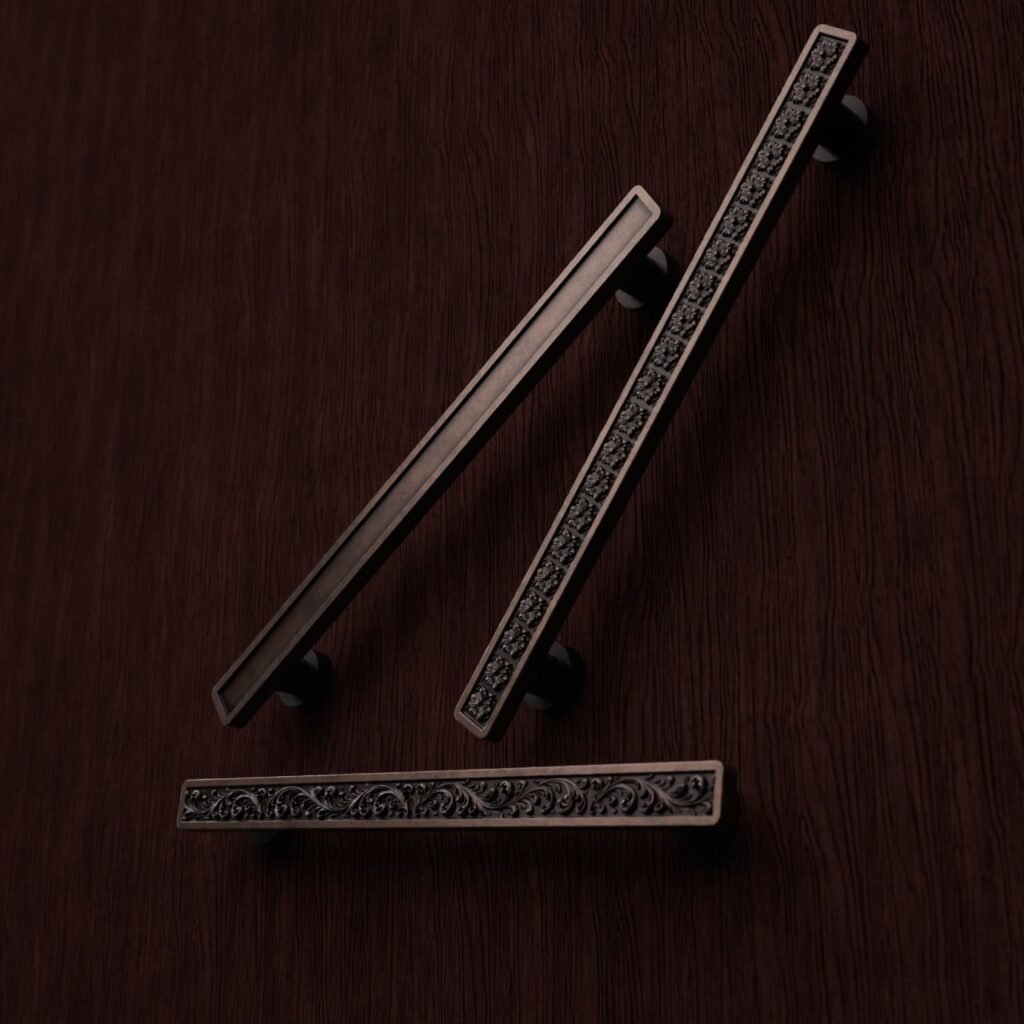
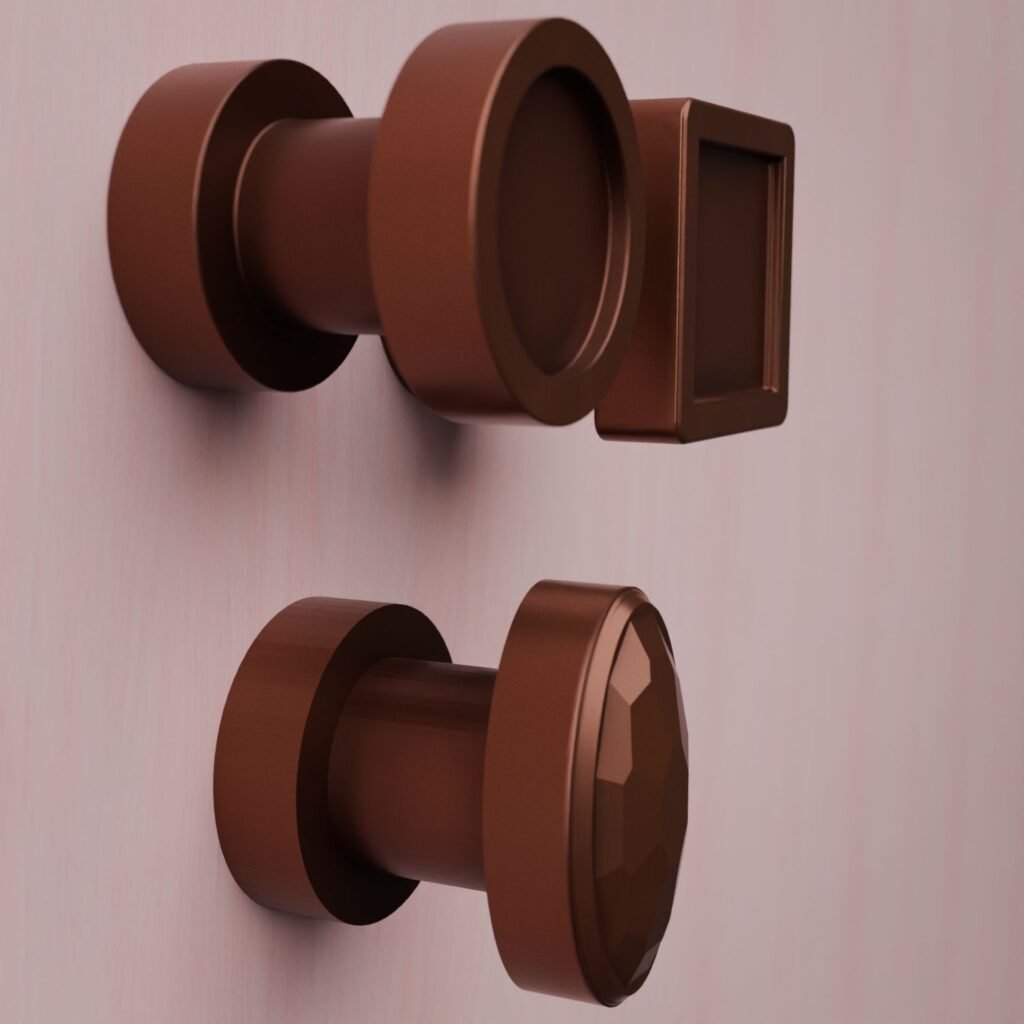
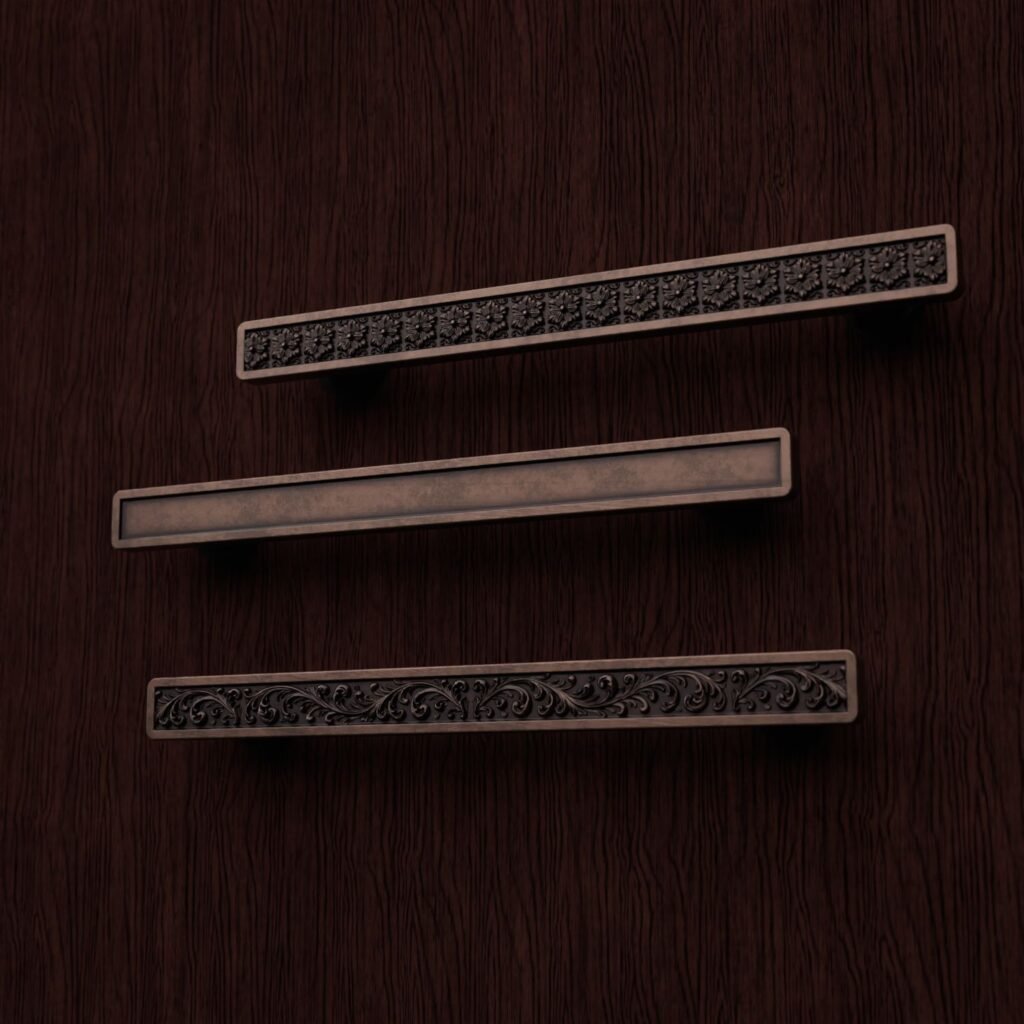

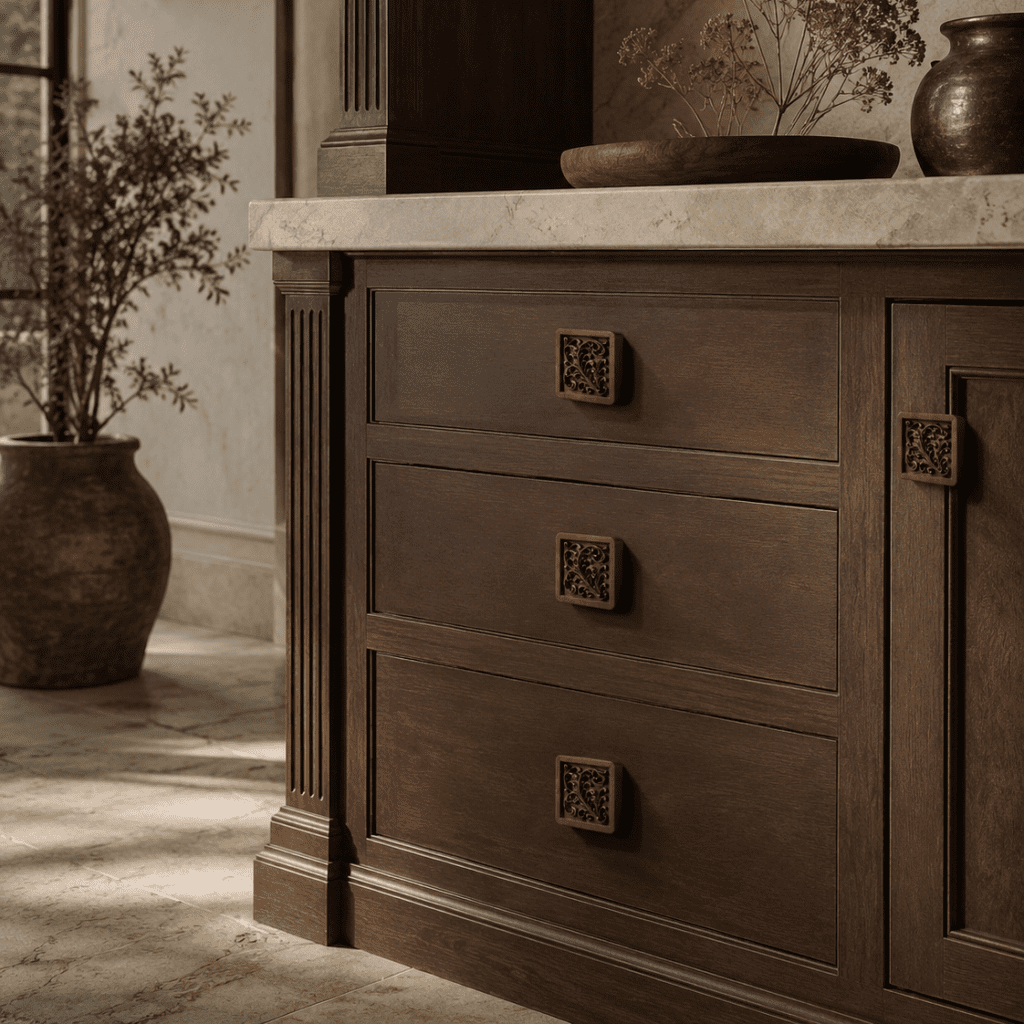

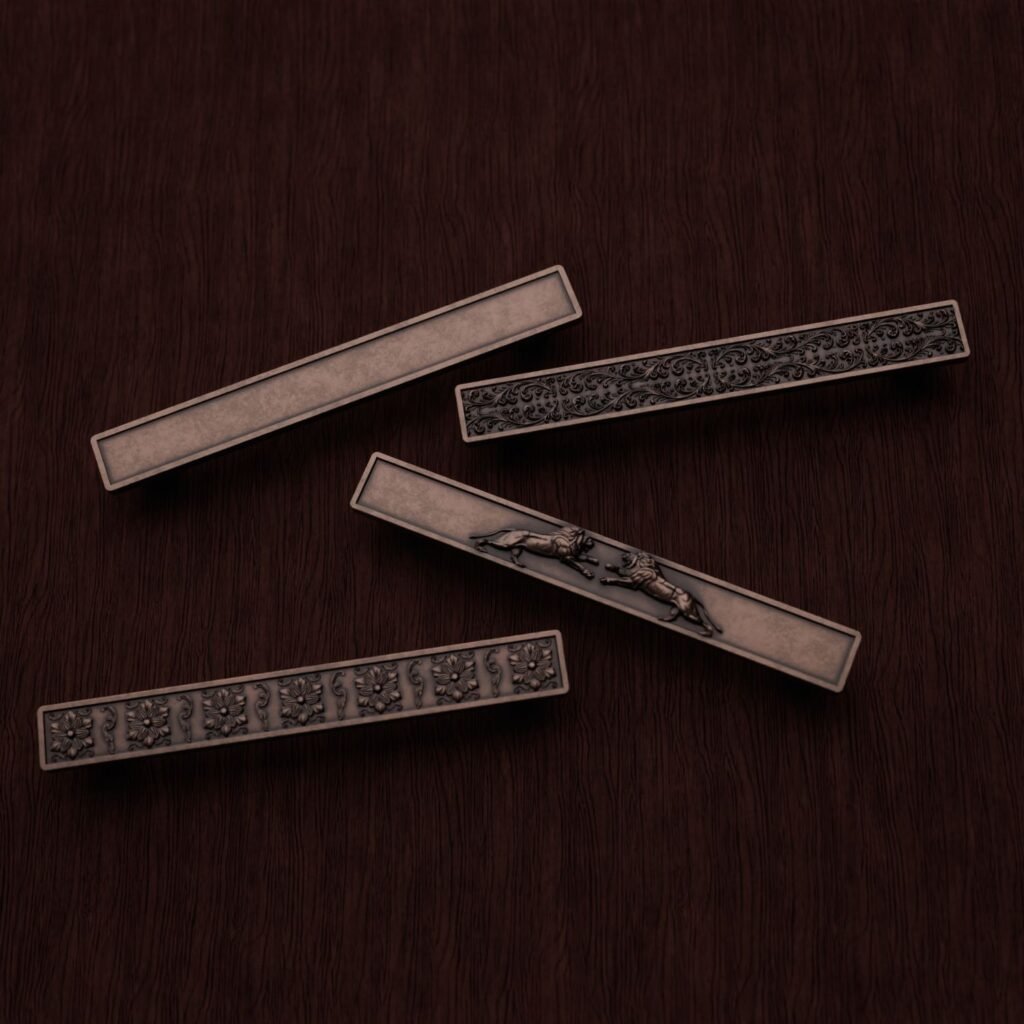

Available finishes
All our finishes in Copper
Each finish is a study in surface: brushed, polished, satin, matte, or hand-patinated.

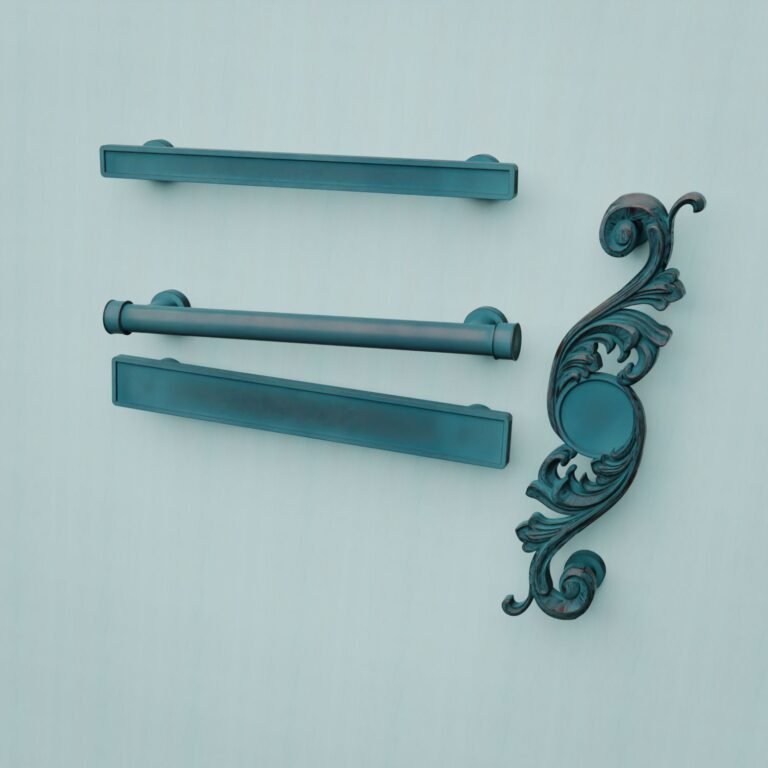
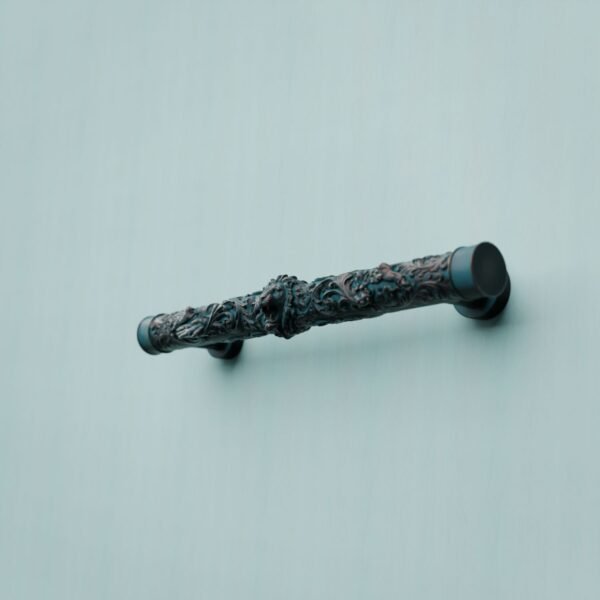
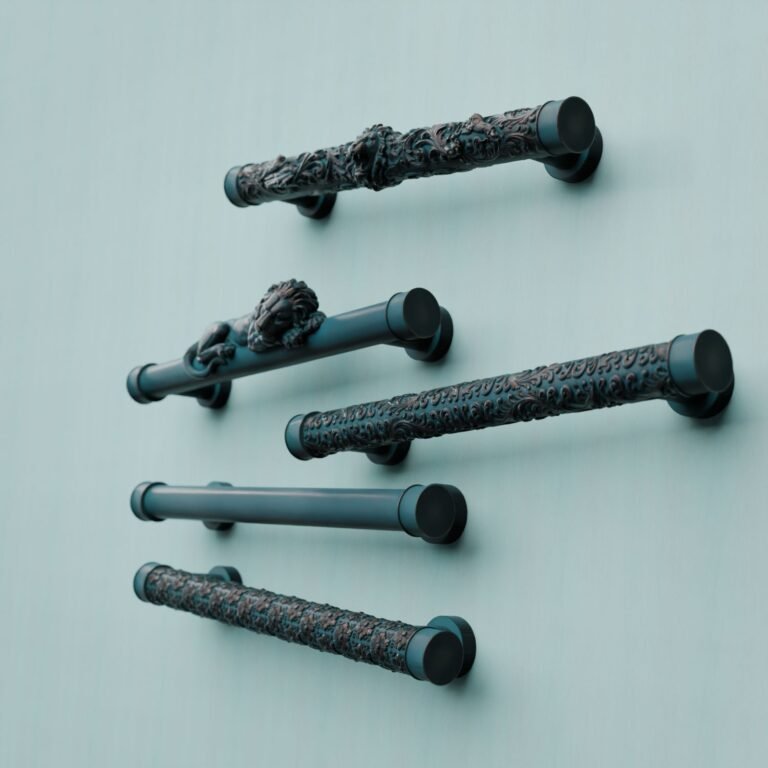
Finish · patina · Blue
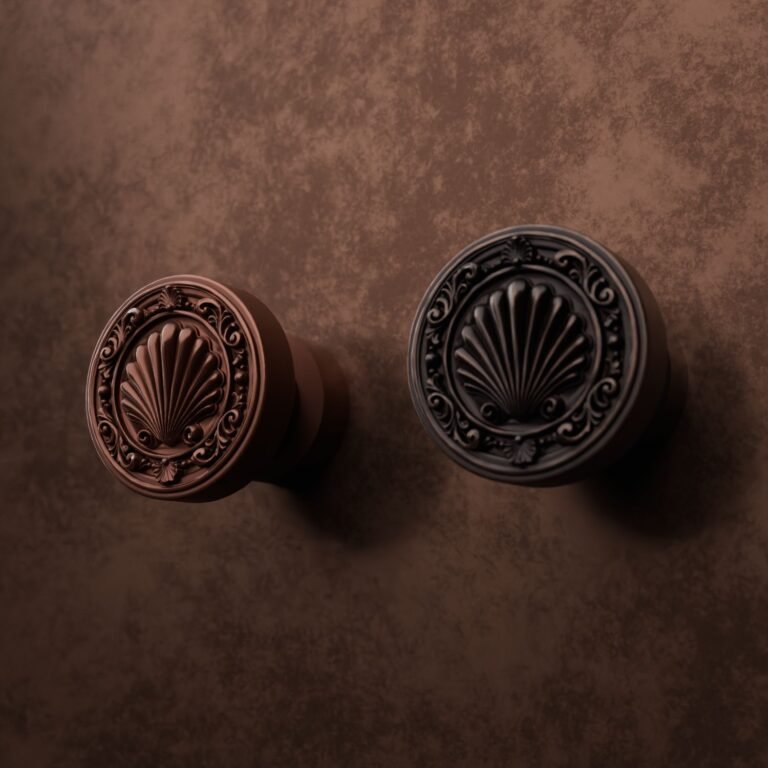
A deep blue patina applied by hand on copper, matte and mineral, that lets the glowing metal show through on the reliefs. The blue that copper carries within itself.

$101




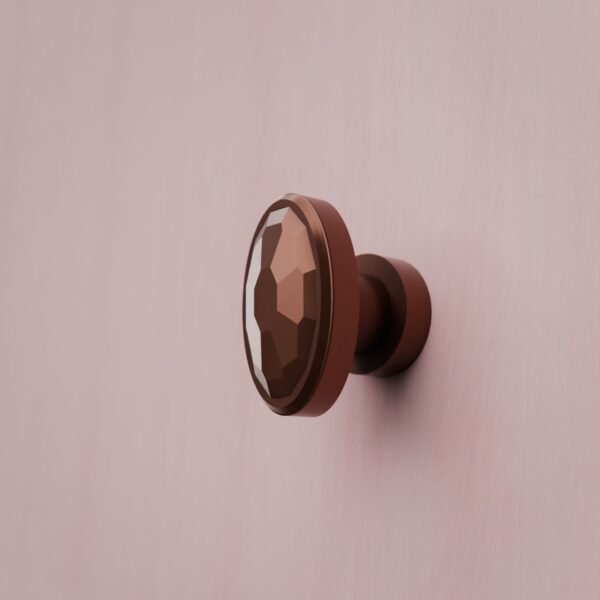
Finish · sheen · Red
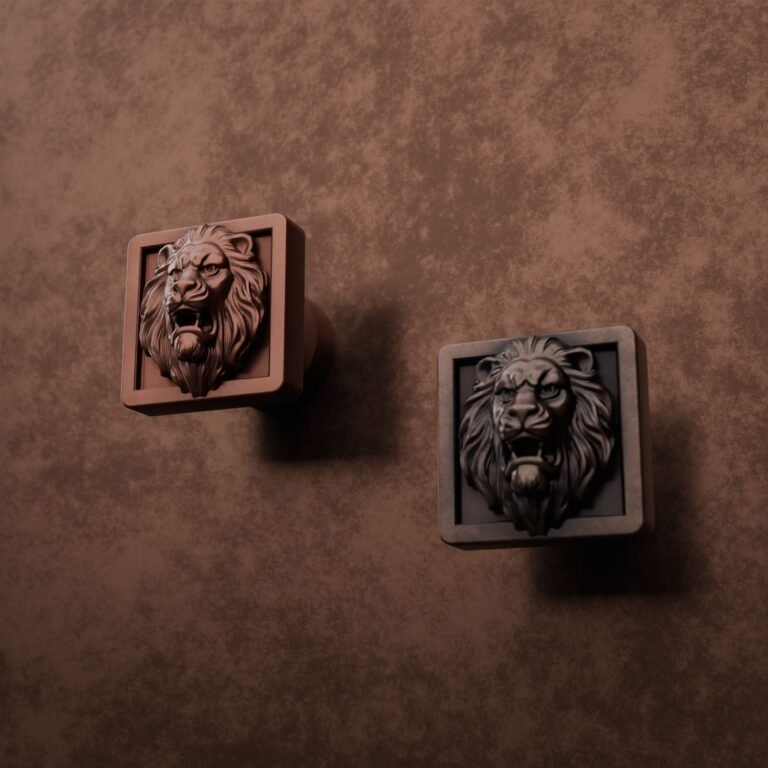
A polished copper with luminous orange highlights, soft and silky to the touch.

$50.95
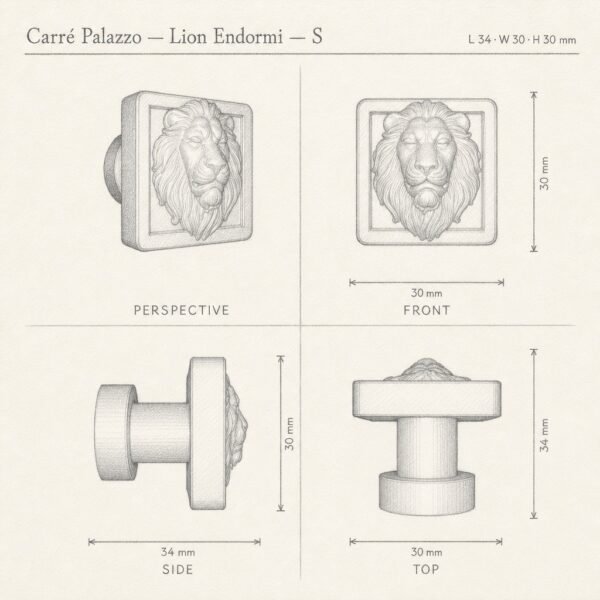
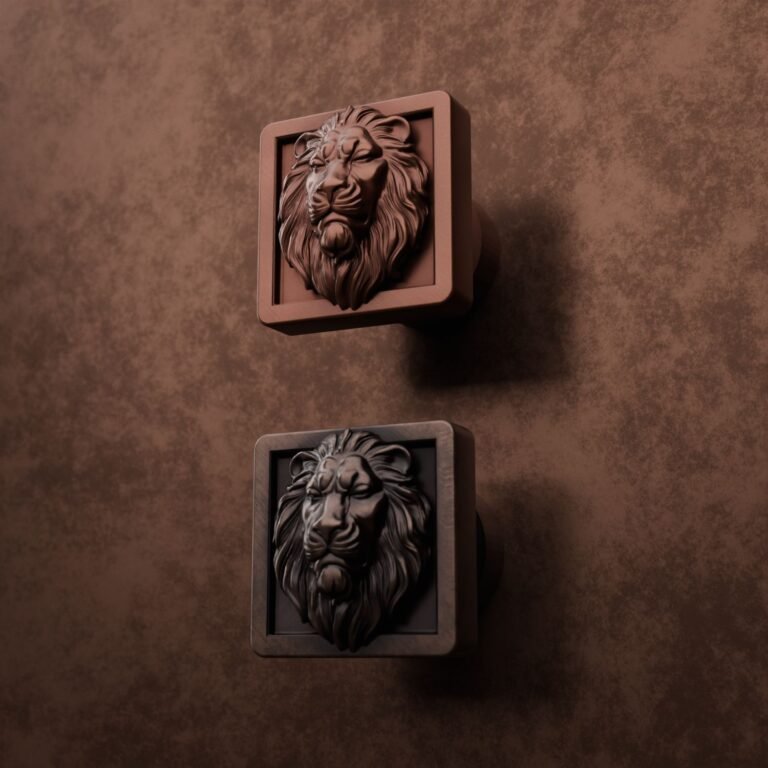

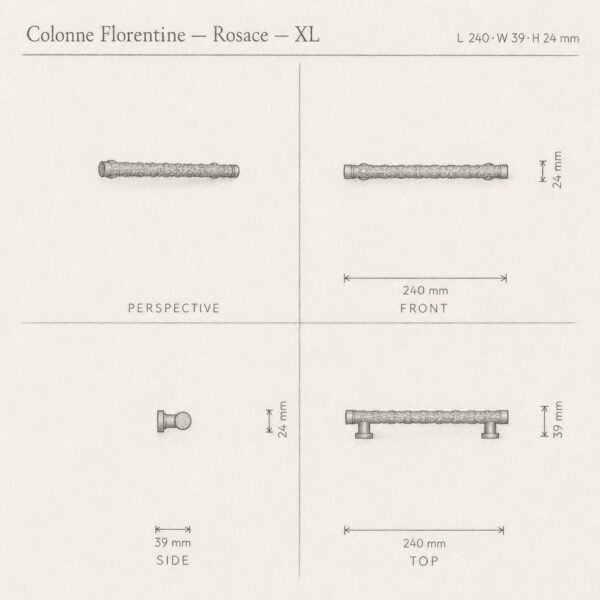

$99.95
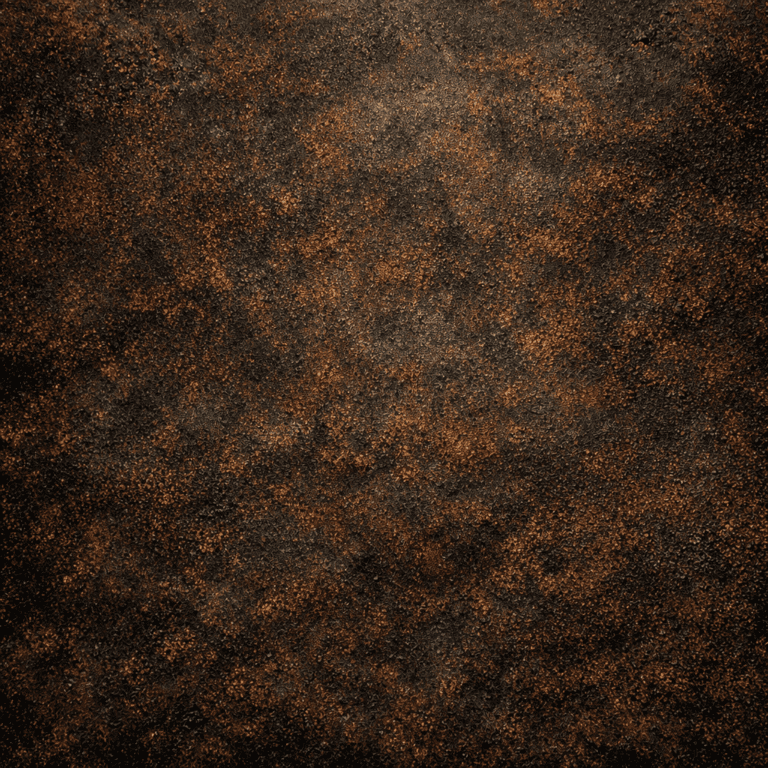
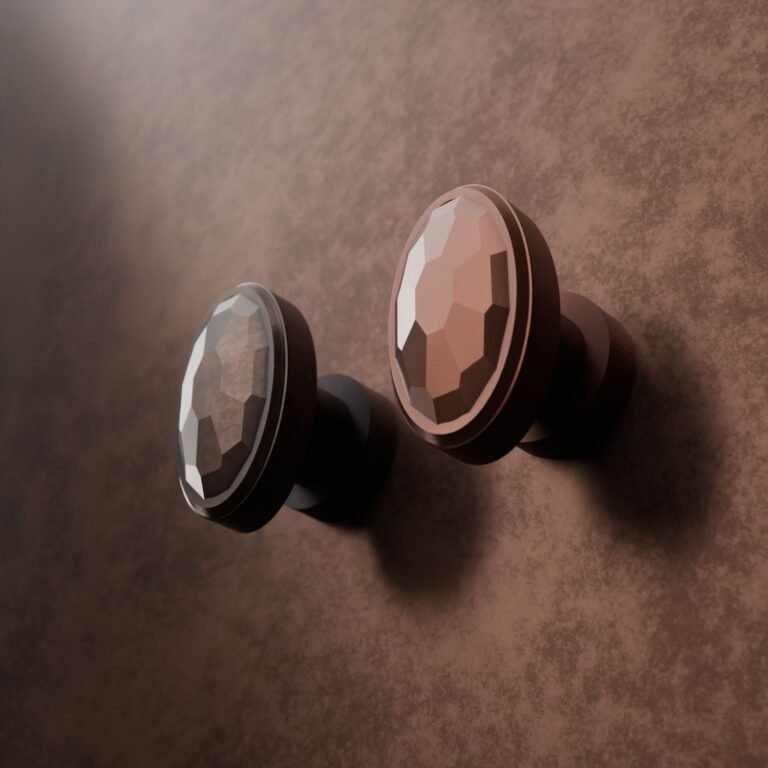
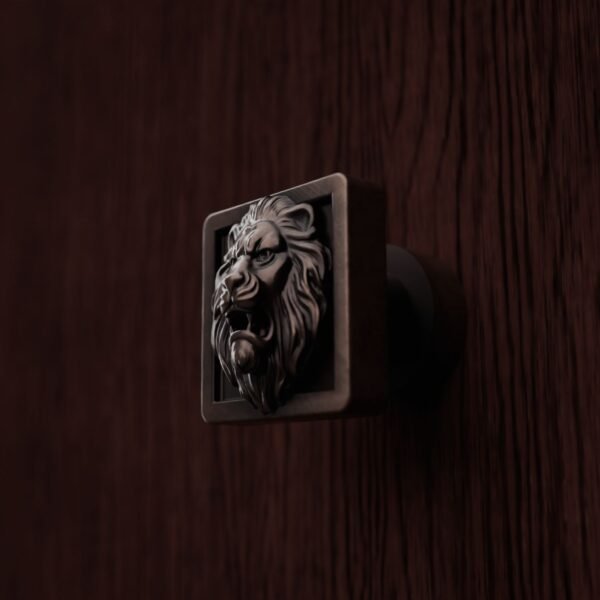
A patina in deep, warm brown-orange tones: living, lightly oxidized texture. Warmth and authenticity.




Your finishes in hand before you choose
Finish sample box at $11, shipping included, deductible from any order within 3 months.
The properties
Technical Specifications
Here are a few indicators to help you place Copper within our catalog: durability, and resistance to heat, moisture, and impact, along with ease of care. The fuller the indicator, the better the material performs on that axis.
Usage instructions
Copper: Where to Use It?
Recommended use
Kitchen, bathroom, living space, heavy door, heavy-load drawer
Not recommended
Outdoor use
Copper is made for the indoors, where it can evolve at its own pace, under your gaze. Outdoors, that evolution slips beyond any control.
All our Copper cabinet handles
Continue exploring
Choose a handle differently
Three complementary criteria to refine your search.
Other materials
Every material has its own character, its own uses, and its own limits. Compare Copper to the other materials.
Available colors
From the purest white to deep black, shades to dress your furniture: reds, greens, blues, golds. Choose the tone that best suits the mood of the room.
Available shapes
The form is what gives rhythm to the front. Strict geometry or sculptural volume, each design invites a different way of reading the piece.
Chronicles and essays
Our articles on Copper

Metal has never needed to be new to be beautiful. The Greek bronzes raised from the Aegean Sea are proof of that: the salt…
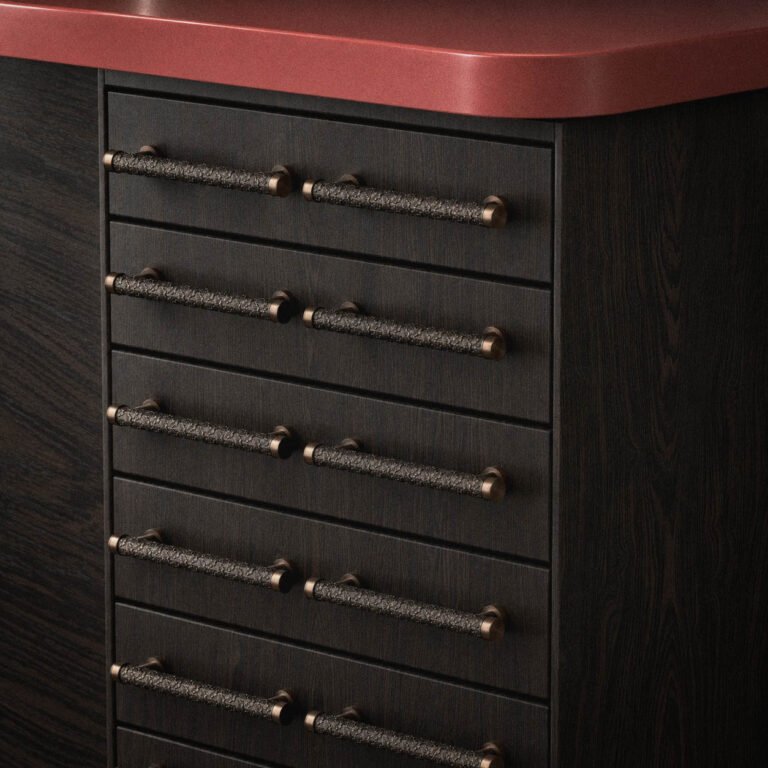
Some furniture still carries, clearly visible on its fronts, the traces of hardware long gone. Two round holes, sometimes three, spaced about eight inches…
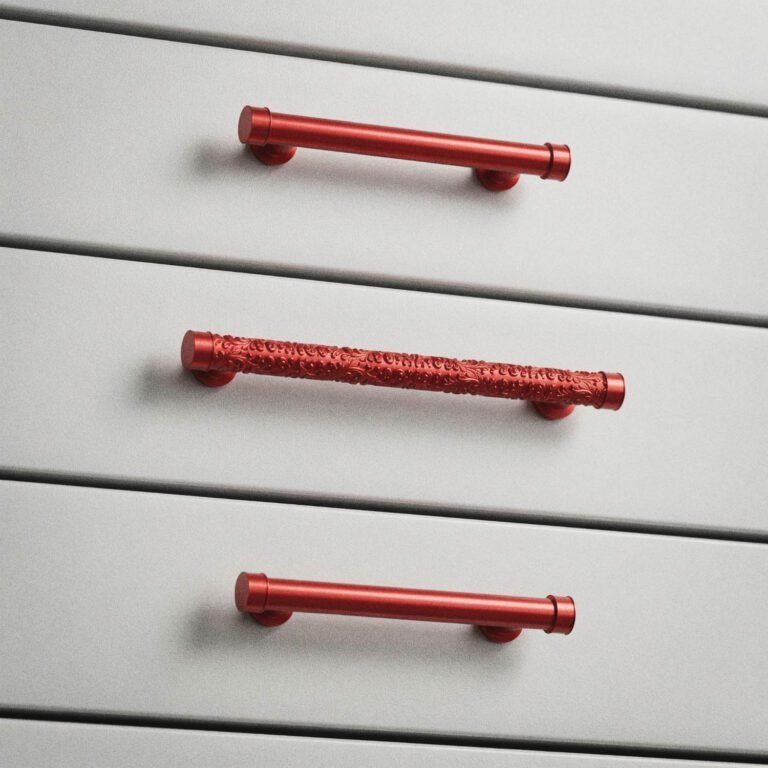
Red has never been a neutral color. Signal, alarm, desire: throughout the history of chromatic language, it has always spoken with force, from imperial…
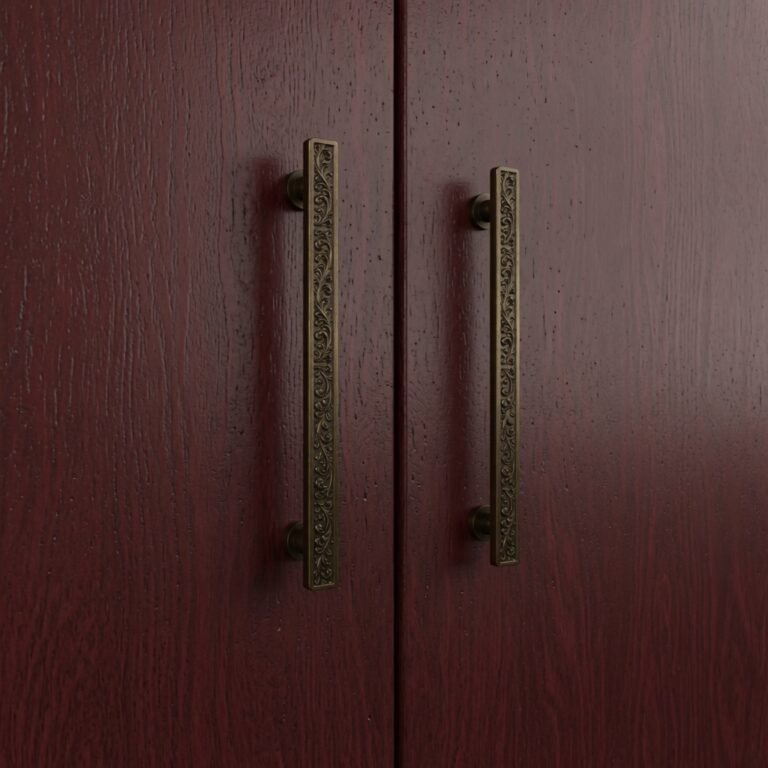
Wabi-sabi is a Japanese aesthetic sensibility that finds beauty in what is incomplete, imperfect, ephemeral. Not the beauty of the new and the polished,…

From the Belvedere Torso to Rodin and the Grand Tour cameo: how the ancient fragment became a statuary handle at Holdon Paris.
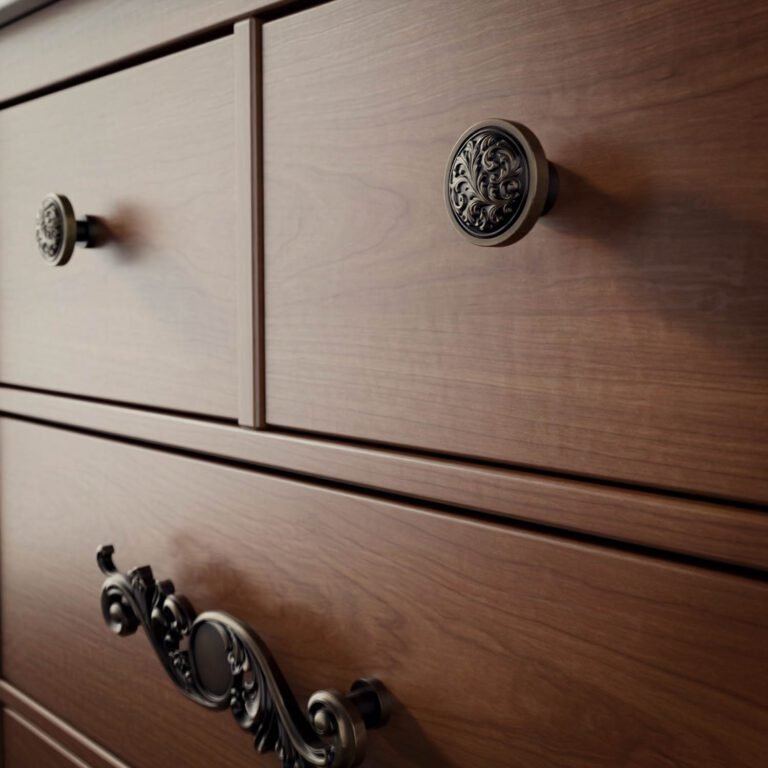
There are patterns adopted for a season, and others that have held the façade since the Roman friezes. Scrollwork belongs to the second family:…

A collection of ornament is never truly finished. This is how the great European houses built their decorative repertoire over the centuries: in small…

From the archaic shell to the pilgrim's scallop, through Venus and rococo: the story of a pattern, all the way to Holdon handles.
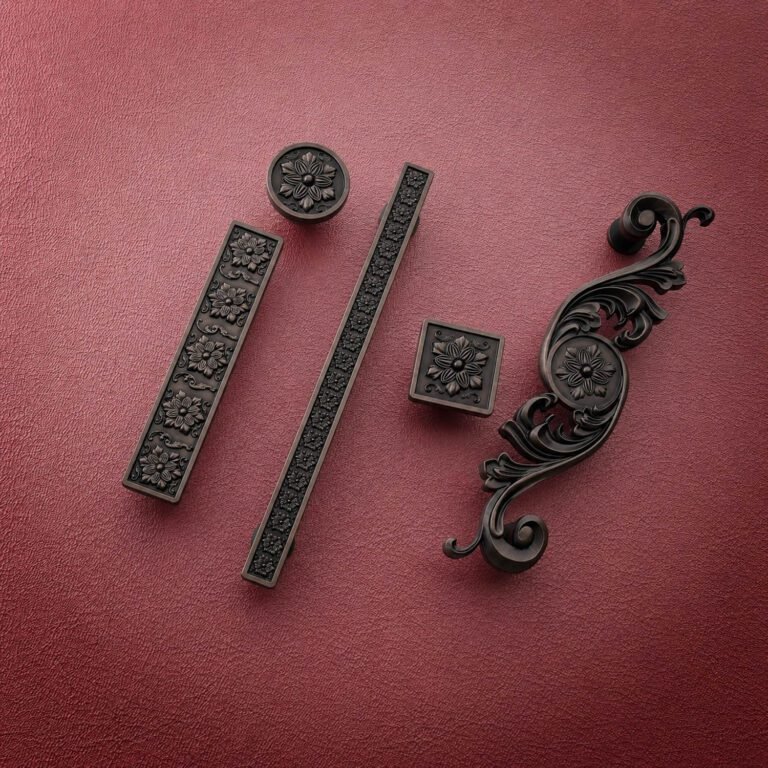
Brown is arguably the most present color in an interior, and the least often chosen. It's already there, in the wood of a dresser,…
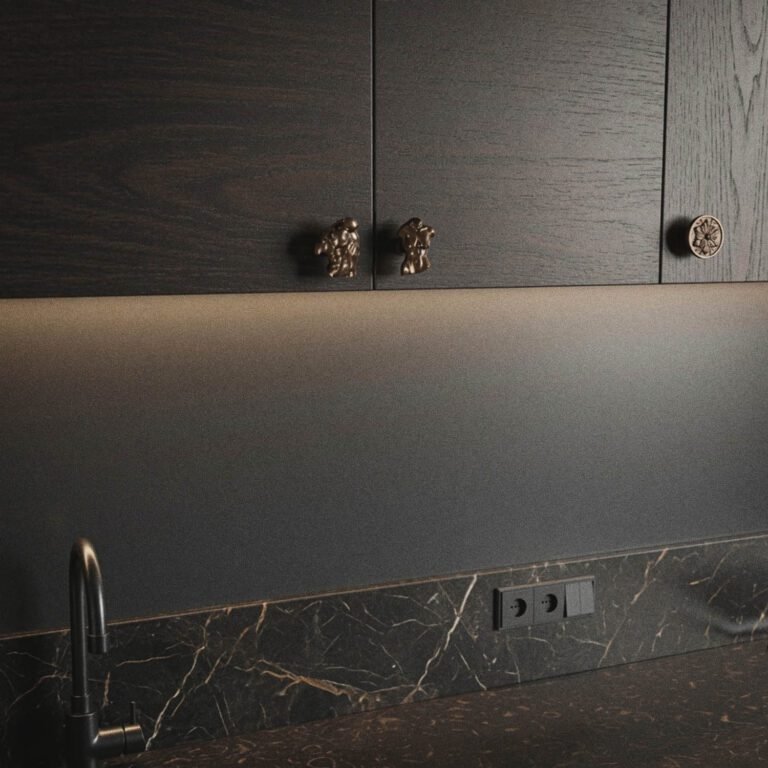
Repainting your kitchen cabinets has become the go-to move for transforming a room without touching the boxes or the countertop: a new color on…

From the Lion Gate of Mycenae to Solomon's throne, from the Florentine Marzocco to Chanel's lion: the story of a pattern that speaks of…

From the Mesopotamian rosette to the cathedral rose window and the rose cut in gemstones: the story of a pattern that turns blossoming into…
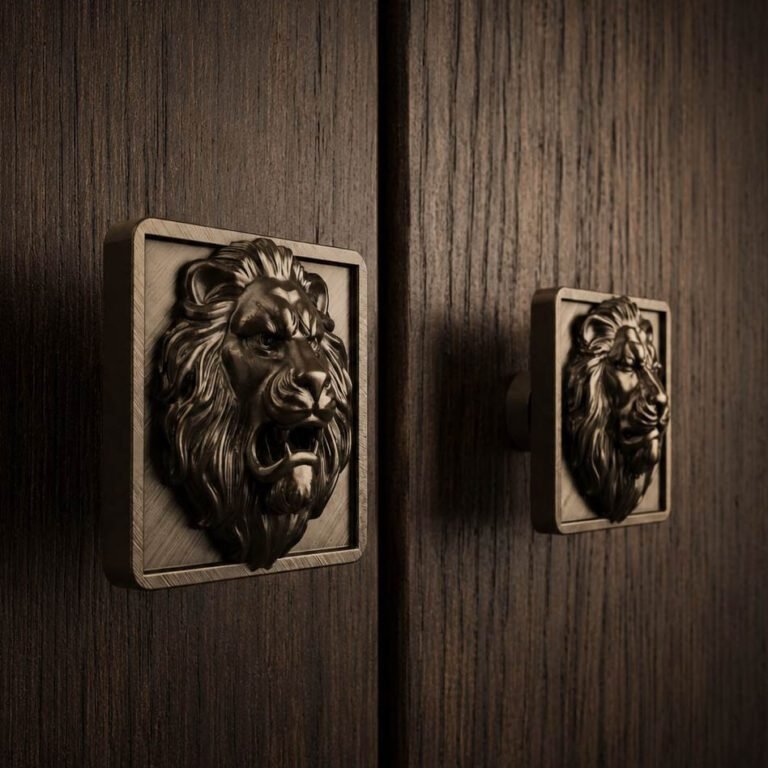
Same creature, two moods. We could have designed a single lion. We made two. One roars, the other sleeps. It's the same animal, and…
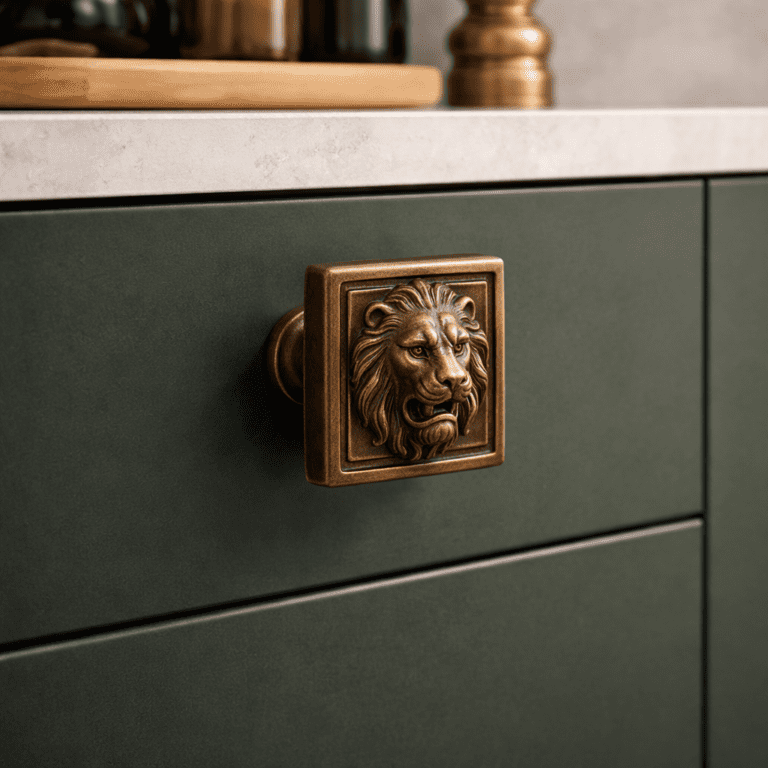
There's a question almost nobody asks when planning a kitchen. You choose the cabinet fronts, the countertops, the backsplash, the lighting. You spend hours…

An overlooked market, immense creative freedom, maximum decorative impact. Discover why Holdon Paris chose to reinvent the cabinet handle. A Dormant Market Just Waiting…
Frequently asked questions
Your questions about handles in copper
Fabrication and Ecology
Are Your Handles Made by Hand?
Partly, and at two key moments. The starting model is 3D printed, which guarantees precision in the design and real consistency from piece to piece. But the entire finish is done by hand: demolding, sanding, patina, protection, and visual inspection all pass through our hands, one piece at a time. That's the touch that gives each handle its slightly unique signature.
Where Did the Metal Powder You Use Come From?
Our bronze, copper, brass, and aluminum powders come from European suppliers specializing in fine metallurgy. Bronze is an alloy of copper and tin, close to the composition of classic statuary bronzes. When possible, we favor powders made from remelted metal scrap, to limit the impact of extraction. Each powder is reserved for its own material, never mixed.
Why Cold-cast Instead of Traditional Foundry Casting?
Traditional foundry casting melts metal at very high temperatures, which takes a huge amount of energy and sacrifices a mold with every piece. Our cold casting happens at room temperature, using a reusable silicone mold, with no melting involved. The result: far less energy spent, and a crisper pattern, since the material takes the shape of the mold without the turbulence of molten metal. It is a leaner process, built for small, carefully finished runs.
What's the Difference from a Traditionally Cast Metal Handle?
A foundry-cast handle is poured in molten metal, which calls for simplified patterns and heavy tooling. With us, the pattern is first sculpted in 3D with a level of detail molten metal could never hold, then transferred through cold casting. You get the same weight in the hand, the same reflection and patina of metal, with sharper relief. It is the same standard of material, delivered by a different process.
Is Your Fabrication Process Environmentally Friendly?
Our process is designed to stay lean. Cold casting skips the very high heat and the disposable mold that foundry work requires, and we produce only the material the piece itself needs, with no sprue to remelt. We work in small batches, close to actual demand, rather than building up large stock. Most of our restraint comes from the process itself: less energy than a foundry, less waste, less overproduction.
What Happens to Production Offcuts and Rejects?
We make small batches and measure out the metal powder and resin as closely as possible to what each order calls for, which limits leftover material at the source. The silicone mold serves several pieces before it's replaced. We'd rather produce just what's needed than generate offcuts to deal with later. That's the whole point of working to order: little stock, little waste.
Is a Holdon Handle Recyclable at End of Life?
In practice, the question rarely comes up: a Holdon handle is made to last for decades, and we archive the 3D model of every piece so it can be remade identically. Our metal handles combine metal powder and epoxy resin, a blend that doesn't sort like solid metal at a recycling center. If you'd like to part with older pieces, we offer to take them back at the atelier instead of the trash. It's the cleanest way to give them a second life.
Are Your Handles REACH Certified?
As a small atelier, we don't hold a full REACH certification: the process is heavy and costly, and few small ateliers carry it. That said, all our raw materials are themselves REACH compliant: European metal powders, resin, patinas, and protective treatments. On request, we can send you the safety data sheets for each material, useful for an architect's file or a bid submission.
How Do You Make Your Handles in Copper?
We start by 3D printing a very fine model of the handle, design included, in our Paris atelier. This model serves as our master for taking a silicone mold, into which we cold cast a mix of 80% pure Copper powder and epoxy resin. The piece is then demolded, sanded, and hand patinated. Cold casting captures a level of detail that traditional casting can't achieve.
Are the Handles Really Made in France?
Yes. 3D printing the master, molding, casting, sanding, and patina: it all happens in our Paris workshop. Our metal powders and resins come from European suppliers, and both assembly and finishing stay French. Every piece is checked by eye in our workshop before it ships.
Do Your Handles Contain Lead or Other Heavy Metals?
No. Our metal handles are cast from bronze, copper, brass, or pure aluminum powders, with no added lead, no cadmium, and no mercury. The materials used comply with European RoHS directives restricting hazardous substances. You can install them in a kitchen, a child's room, or a bathroom with no risk of toxic migration.
Find your handles
What Material Should You Choose for a Cabinet Handle by Room?
In a humid room or one exposed to splashes, kitchen and bathroom, metals are the safer choice: bronze, copper, brass, and aluminum hold up very well against household moisture. Bioresin, on the other hand, is best kept to dry rooms, bedroom, closet, living room, office, where its bold colors shine. The one contraindication common to all materials is outdoor use exposed to the elements. If you're unsure about a mixed-use room like a laundry room, go with metal: it's more forgiving.
Does Copper Suit My Space?
Copper is one of our metals: it holds up very well against moisture, so you can install it in a kitchen or bathroom just as well as in a dry room. For a bedroom or living room, it works just as well, it's then a matter of style. The only limit is outdoor exposure to rain and frost, which we advise against for all our materials.
What's the Difference Between Fresh Metal and Patinated Metal?
A new metal has a clean look, matte or satin, on the more contemporary side. A patinated metal is worked by hand, and the patina is what gives it its color: warm, aged tones in brown, copper or gold, or a true color, like the verdigris of bronze, the deep blue of azurite on copper, or the powdered blue and sea green of Submerged Bronze. Each piece keeps slight variations that give it character. It's mainly a matter of taste: new for a modern, streamlined feel, patina for a more authentic spirit, or to bring in color without giving up metal. Both hold up equally well over time, only the look changes.
How to choose your cabinet handles
Product and Material
Choosing a finish within a material
Which Finish Should You Choose in Copper?
All the finishes available in Copper are listed above, with their grain and tone. Compare the descriptions, open the ones that speak to you, and look at the finished handles that use them, that's the best way to decide. The same material can look very different depending on the finish, from the mattest to the most vivid. To understand the general logic of finishes, see the finishes page.
Difference between material and finish
What Is the Difference Between Material and Finish?
Material is the substance the handle is made of: bronze, copper, brass, aluminum, or bioresin. Finish is the surface treatment that follows, setting the grain, matte, satin, brushed, as well as the tone, patina, lacquer, or pigment. The same material can give rise to several finishes, none of which share the same light or the same touch. You choose the material first, then the finish that dresses it. See the finishes page for details.
The materials and durability of our handles
Maintenance
Can Dishwashers or Steam-exposed Cabinets Be Paired with our handles?
Yes for metal finishes (bronze, copper, brass, aluminum), which handle household steam very well. Bioresin, more sensitive to prolonged moisture, should be avoided in these situations. On a built-in dishwasher, choose a metal material and wipe the piece down after high-temperature cycles. That is the only thing to remember for a front exposed to steam.
How to Care for our handles Every Day
A soft, slightly damp cloth is enough in most cases. For a kitchen handle exposed to greasy buildup, add a drop of mild soap, liquid Marseille soap or diluted dish soap. Then wipe with a dry cloth to avoid streaks. That's all it takes day to day: no specialty product, no complicated routine.
How to Care for our handles in Copper?
Bronze, copper, and brass handle mild cleaners well and keep their patina thanks to the protective treatment applied in our atelier. A soft, damp cloth with a drop of mild soap covers everyday care, then a dry cloth to bring back the shine. Save diluted vinegar for occasional limescale spots only, never for routine cleaning. These patinated metals only get better with light, regular care.
Does My Handle Care Depend on the Material?
Yes, on one key point. Metal finishes (bronze, copper, brass, aluminum) tolerate mild cleaners, a bit of diluted vinegar, and even household steam. Bioresin, on the other hand, should only be cleaned with a damp cloth and mild soap, no alcohol, no solvent, no concentrated vinegar. Day to day care stays simple either way, it's mainly the list of products to avoid that differs. Each product page specifies the exact care for its material.
Endurance and Aging of the Material
How Does Copper Behave over Time?
It depends mainly on the finish you choose, not just the material. A patinated finish, like Antique Bronze or Antique Copper, stays alive: it keeps evolving gently over time, and that's exactly the point. A matte, glossy, or colored finish is stabilized by its surface treatment and won't change. In short, Copper sets the starting point, the finish decides how it behaves over time. Open a finish's page for its precise evolution.
Find your handle in Copper
Filter the catalog by material, finish, size, or color.
All our handles are handcrafted in Paris, made to order.