
Shape · Holdon Paris
Round knob
The oldest, most universal shape.
The character
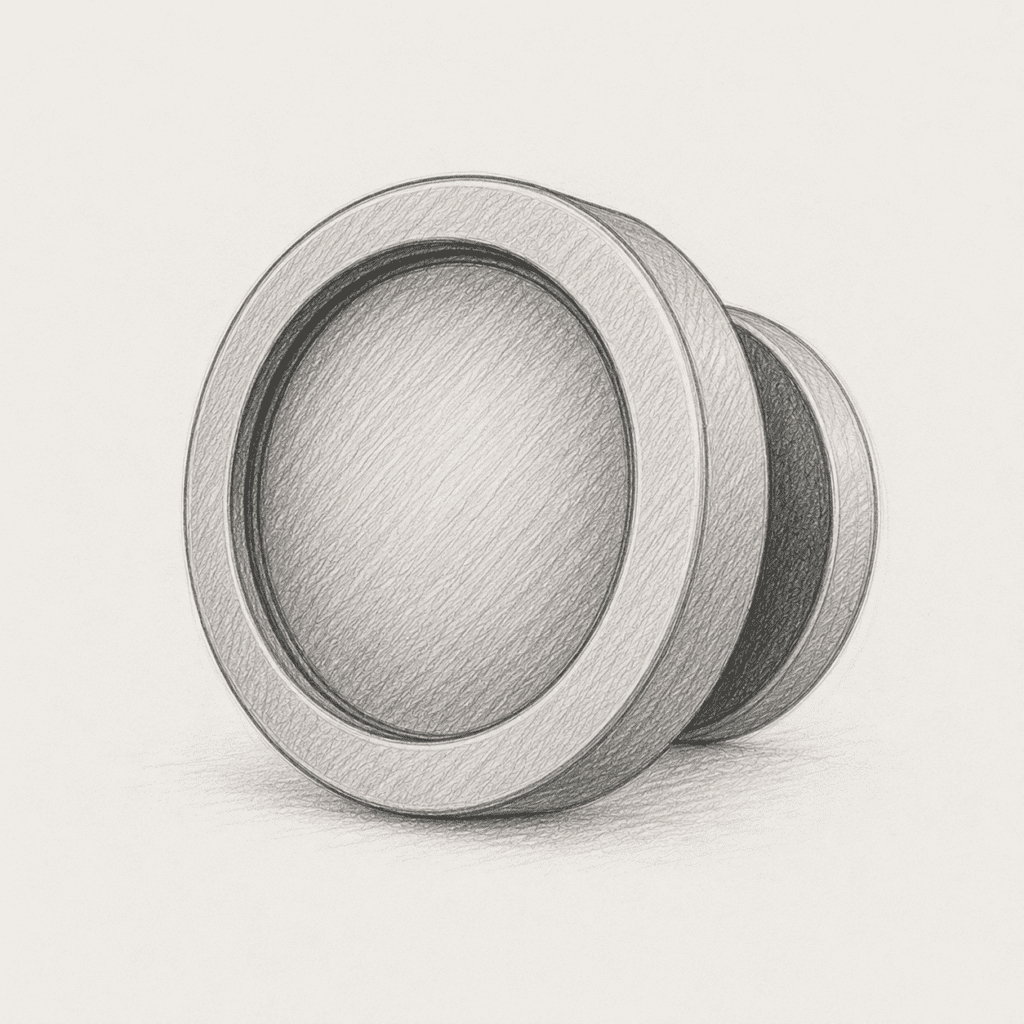
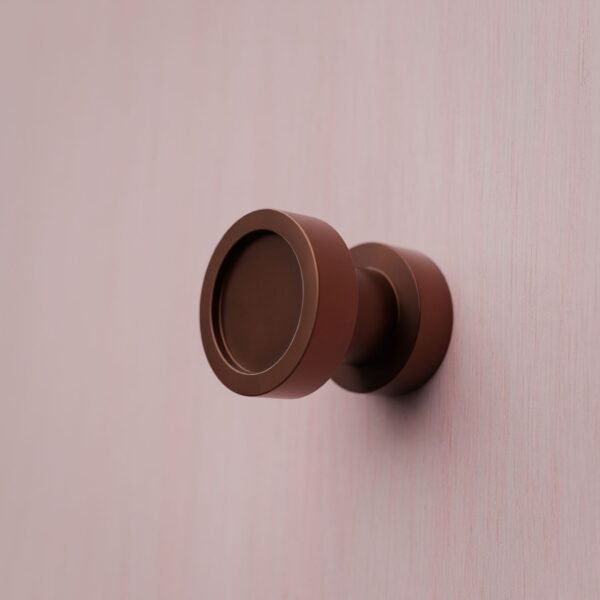
The round knob is the oldest silhouette, the most universal, and probably the truest. When you design a handle meant to disappear without erasing itself, you always come back to the round: no angle to catch on, no direction to impose, just a shape the hand recognizes by instinct.
A timeless form
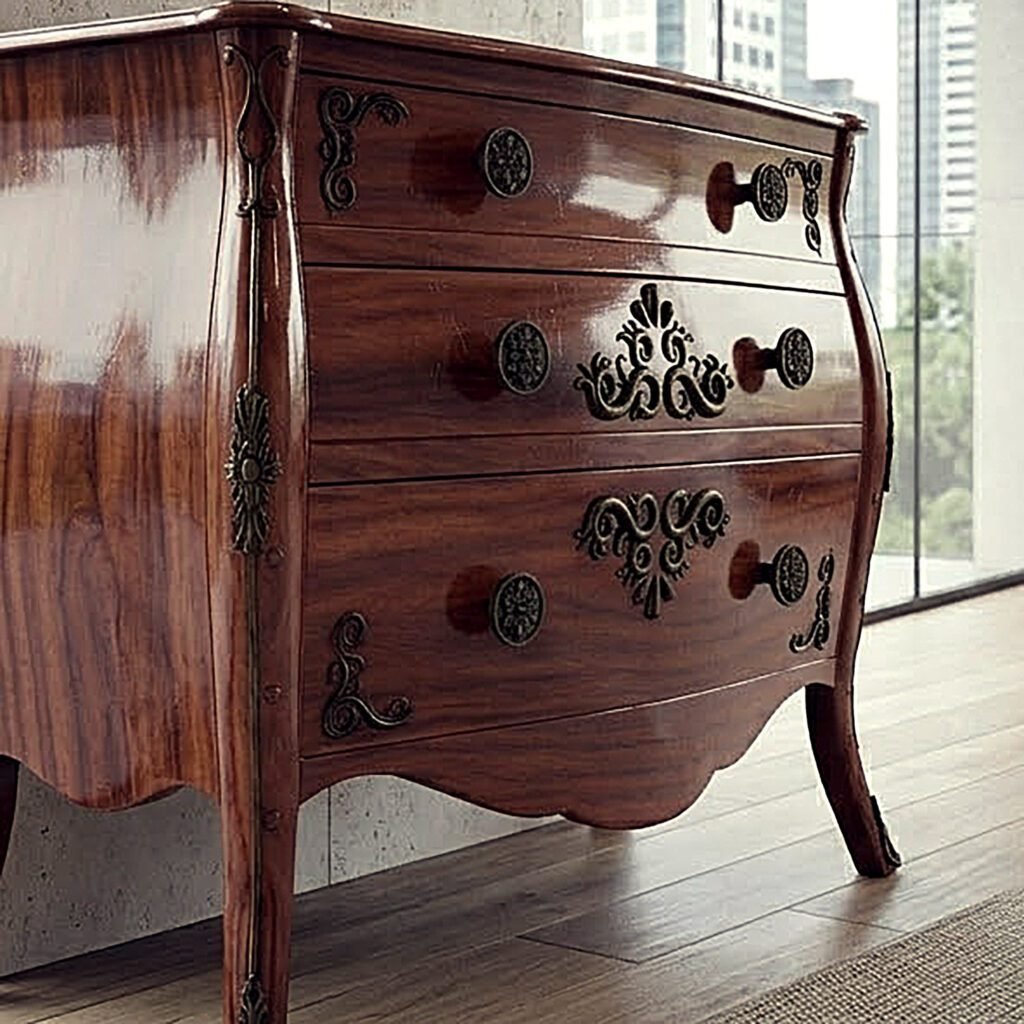
From Louis XV furniture to Art Deco dressers, from Japanese cabinets to Bauhaus kitchens, the round knob has moved through every style without ever leaving it behind. It is a form with no date, belonging to no single style, and so it suits nearly all of them. That is its first quality: roundness is universal.
Immediate grip
Beyond its looks, the round knob is ergonomic. Its continuous surface follows the pads of the fingers without a sharp edge, without imposing a direction. A round knob can be grasped any way, from above, from below, with a pinch, while an elongated pull forces one grip pattern. That is why it is used on drawers where hands are often full (kitchen, workshop) or on children’s furniture.
Visual softness
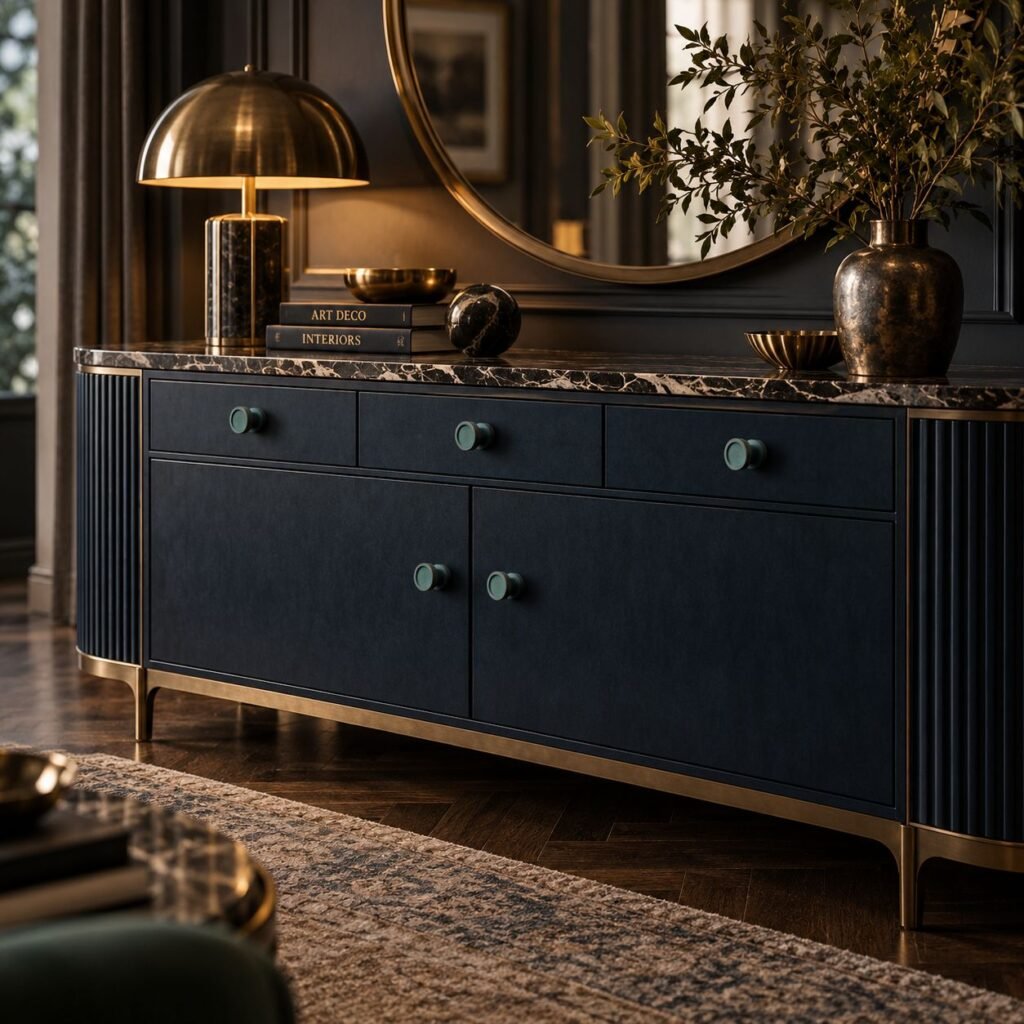
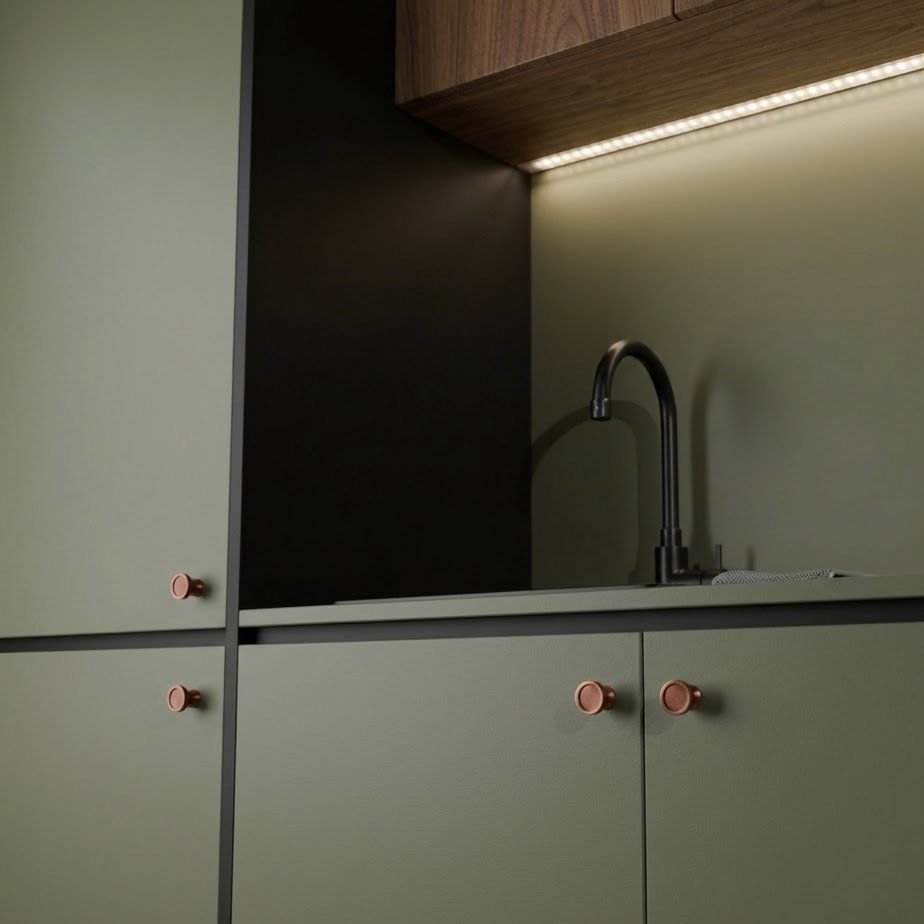
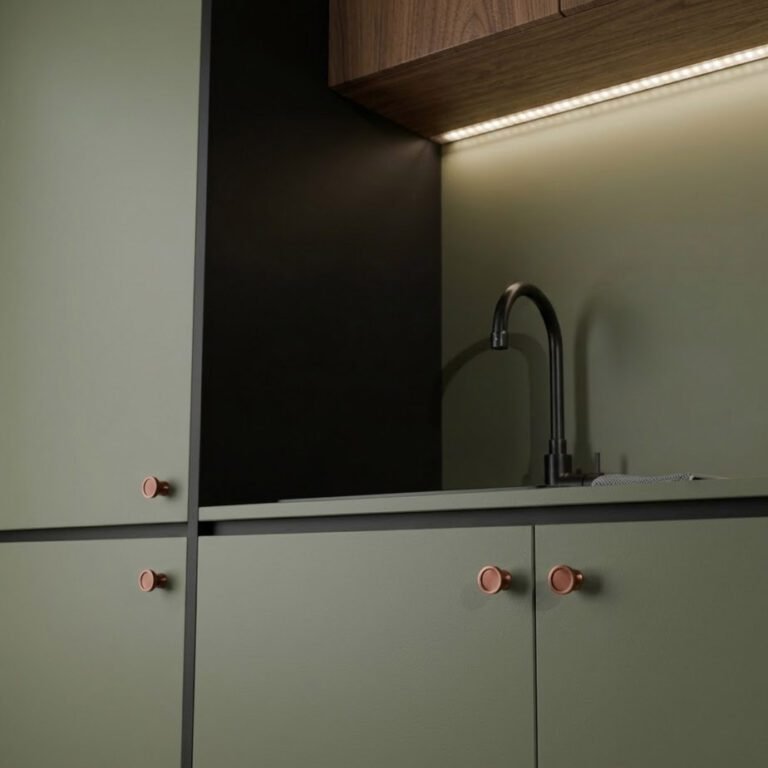
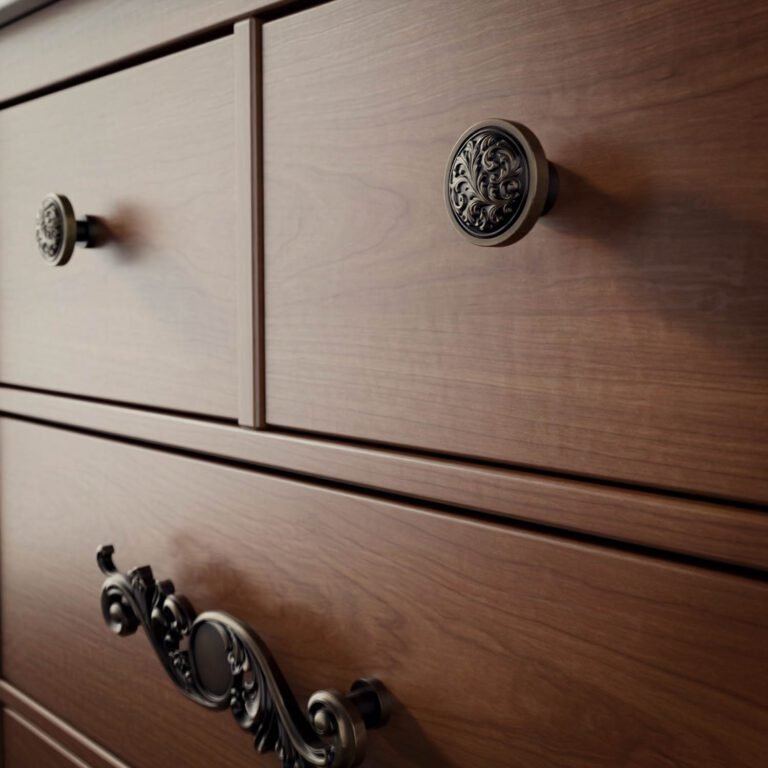
On a door or drawer front, a round knob adds presence without tension. Where the square structures and the rectangle elongates, the round softens. It works especially well on strongly geometric, rectilinear fronts, where it brings in a more human note. And on fronts that are already curved (retro furniture, 1950s to 1970s), it becomes a coherent echo.
Inspiration
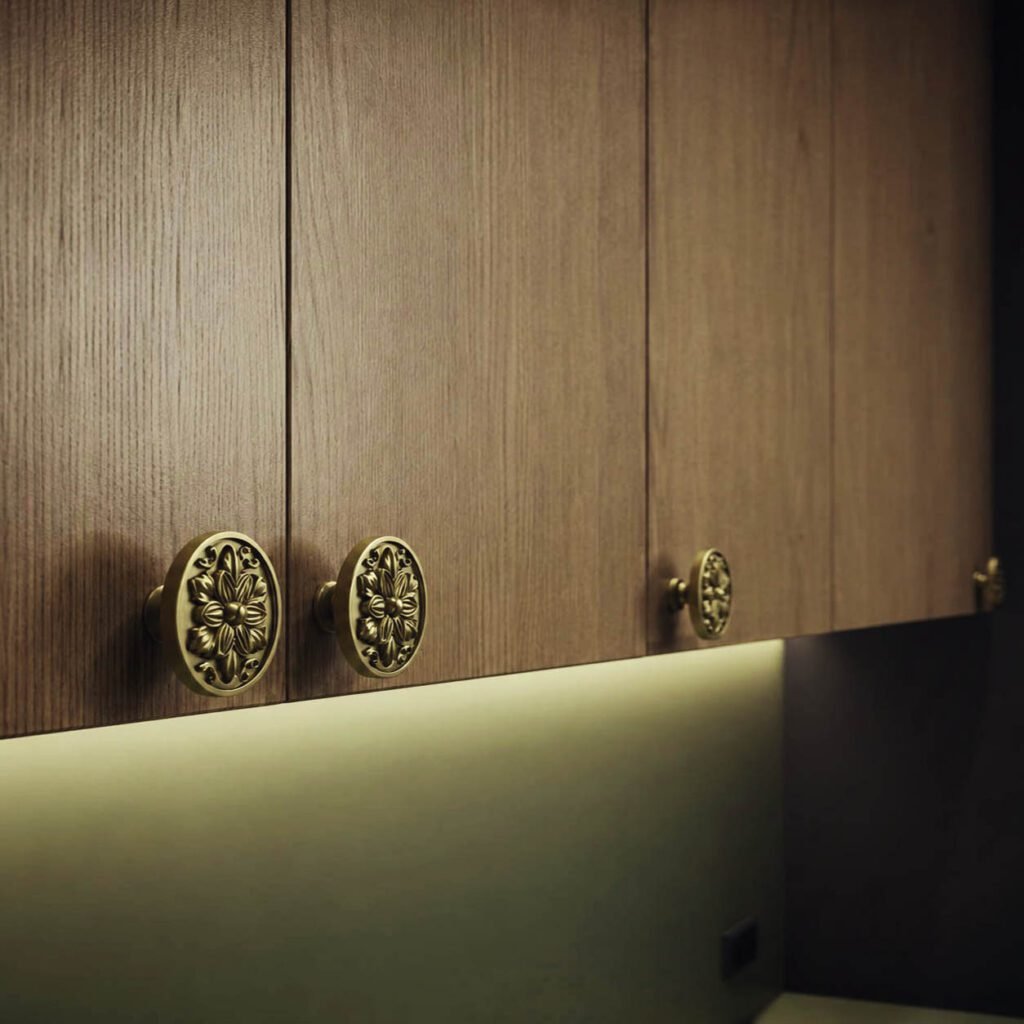
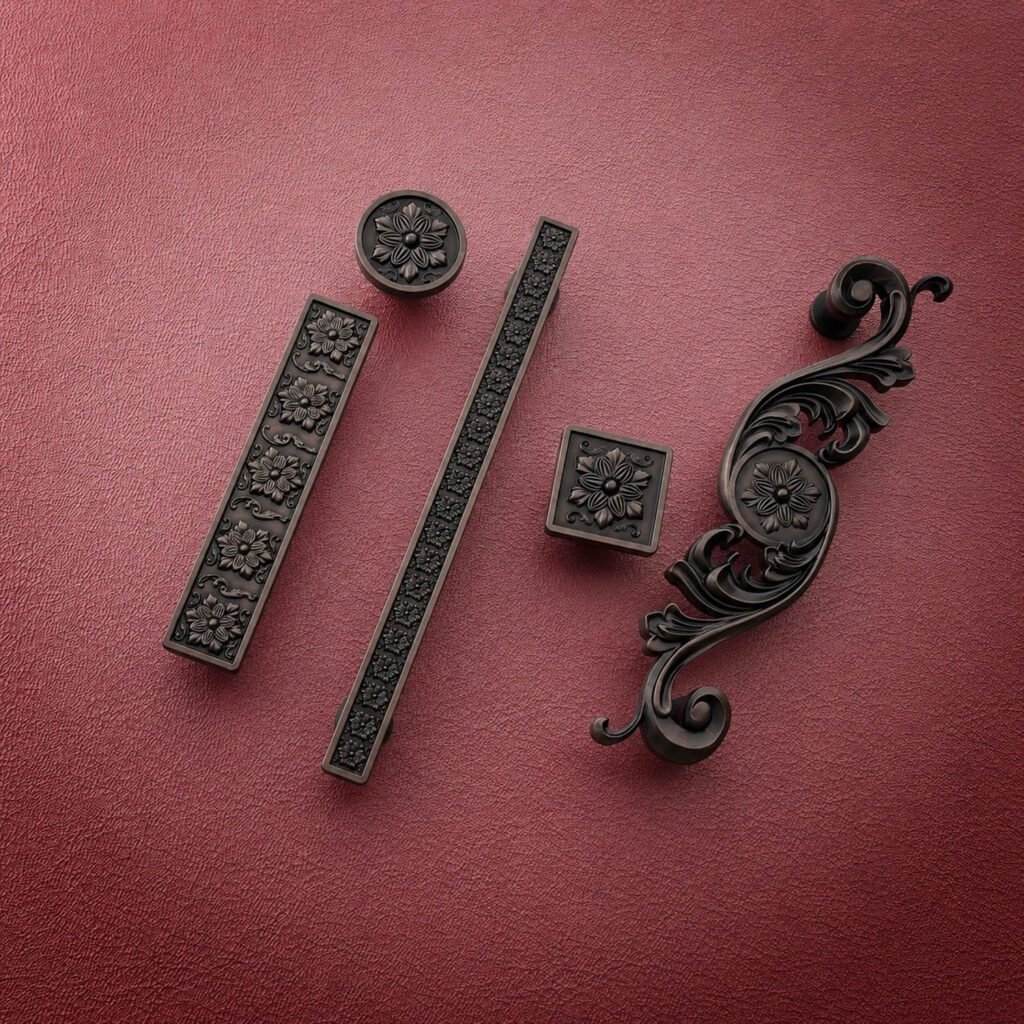
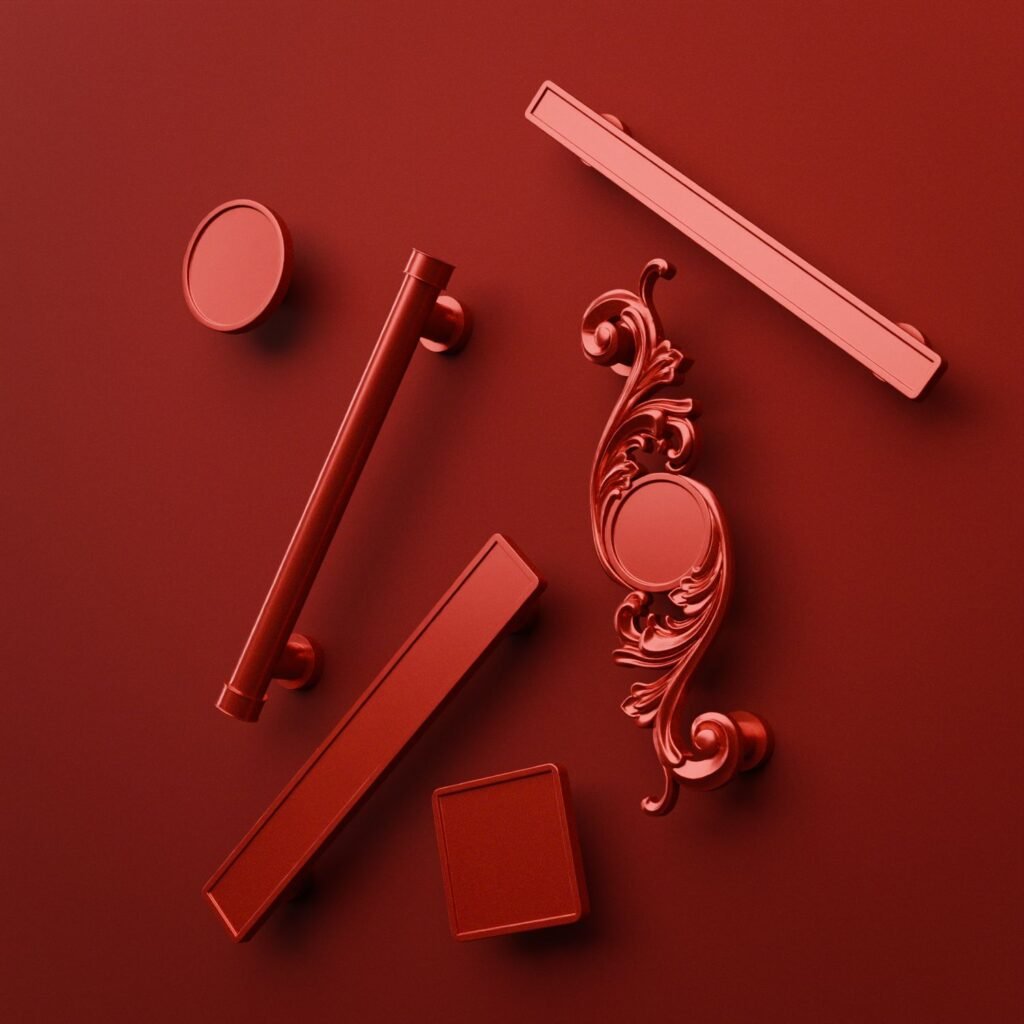
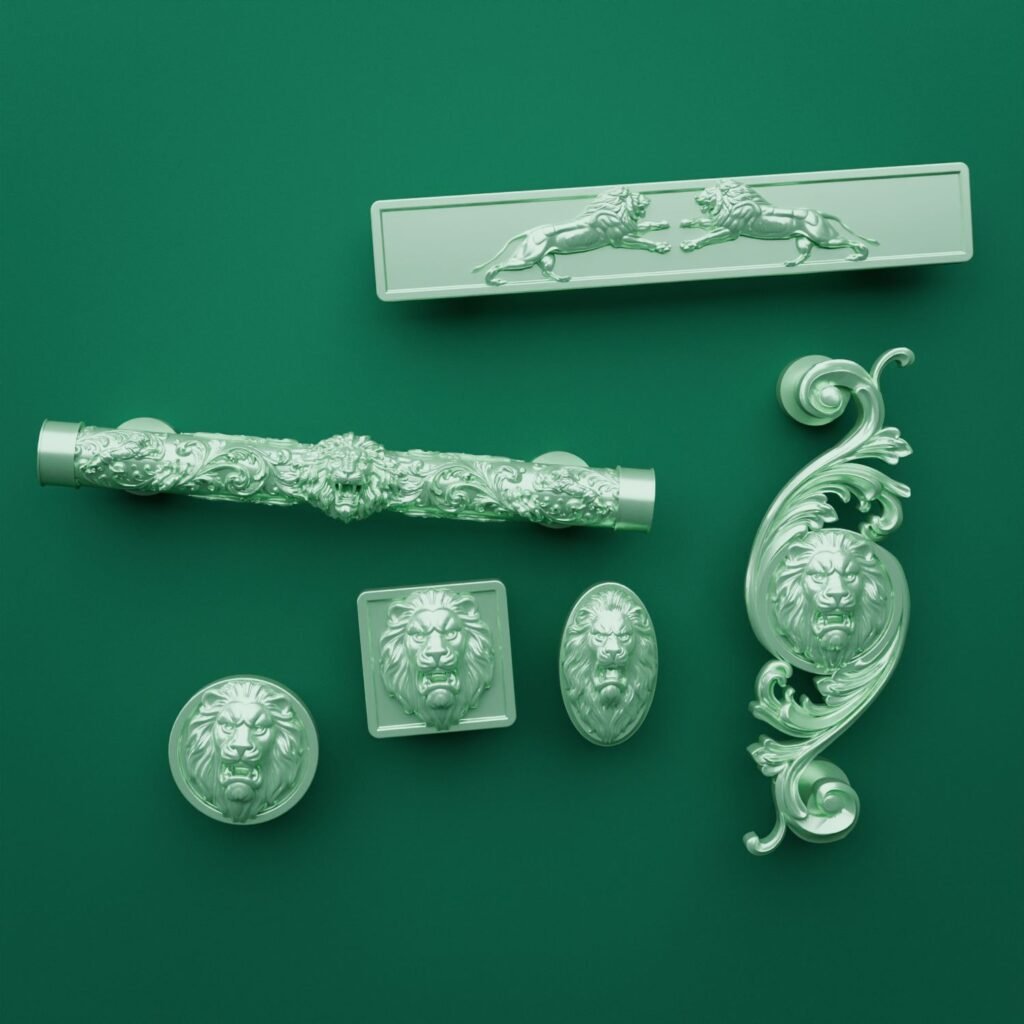
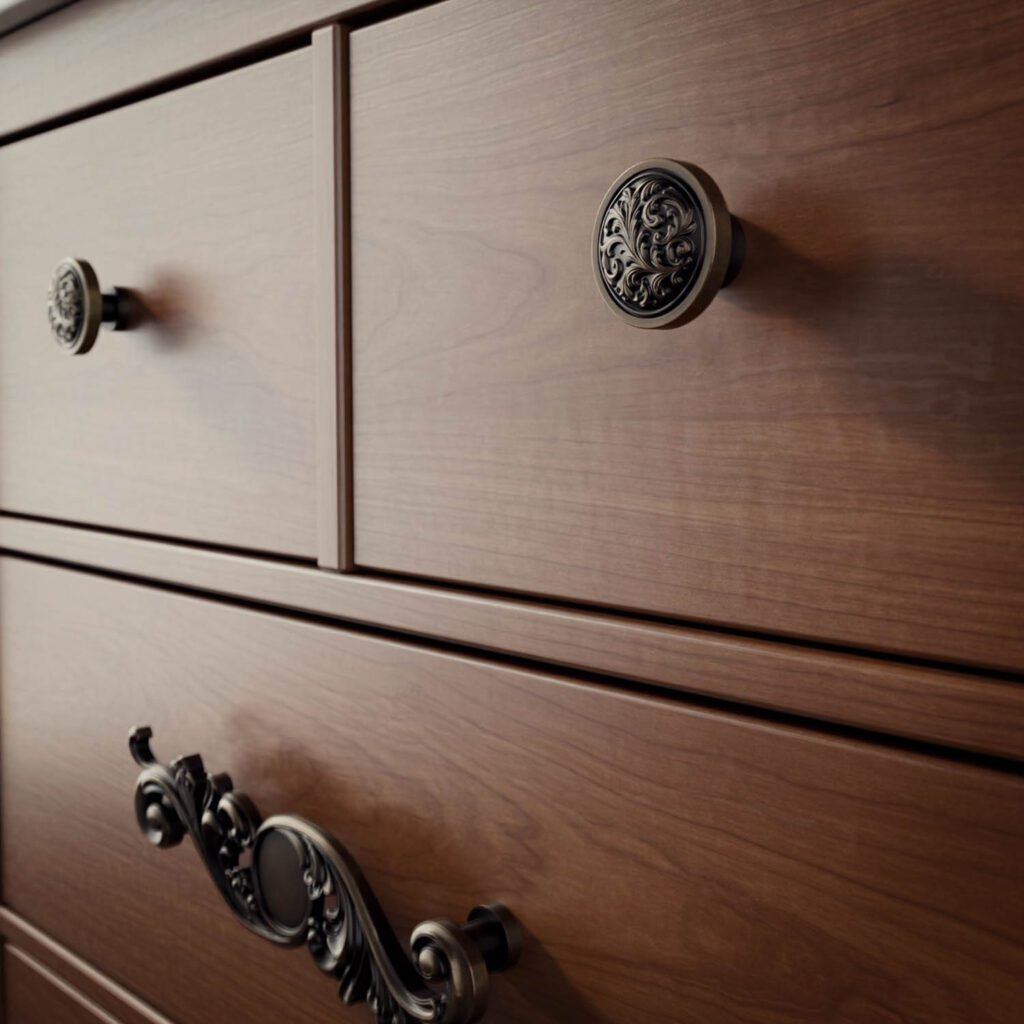
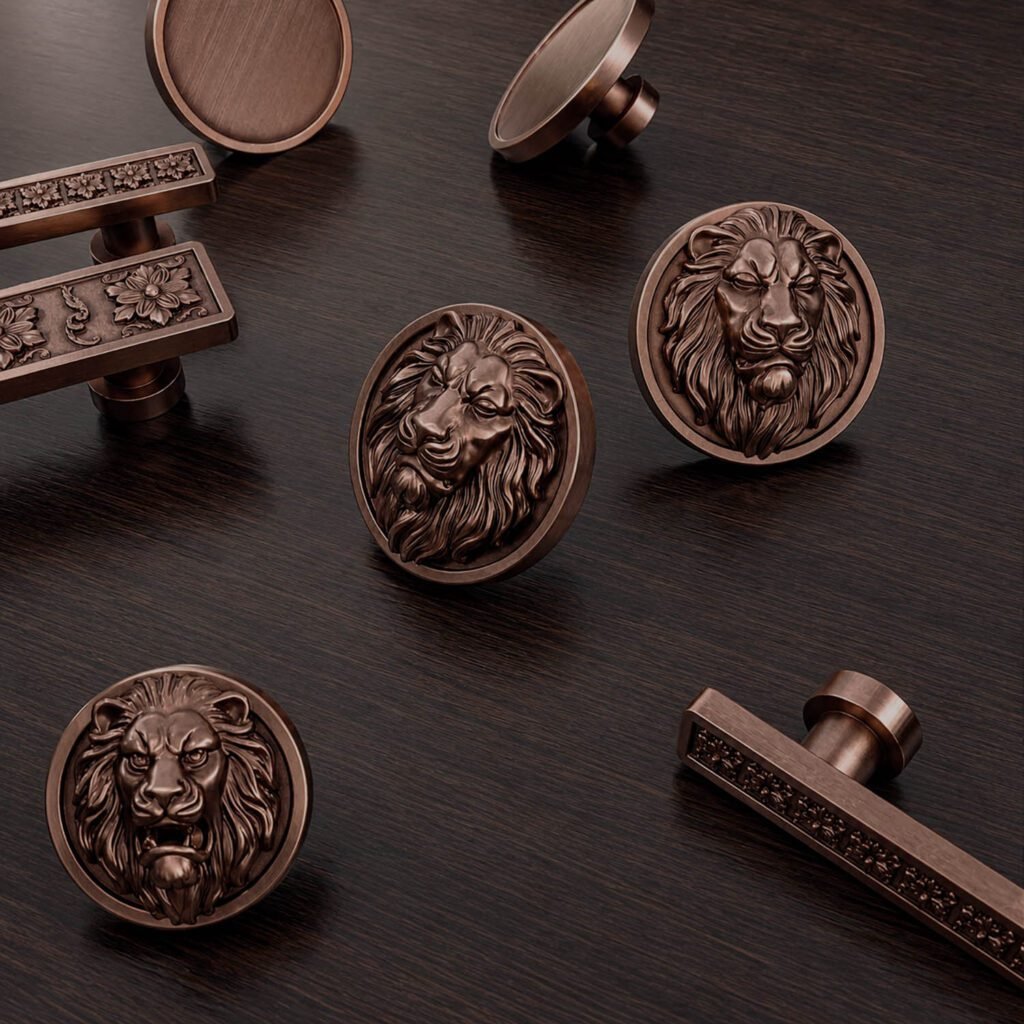
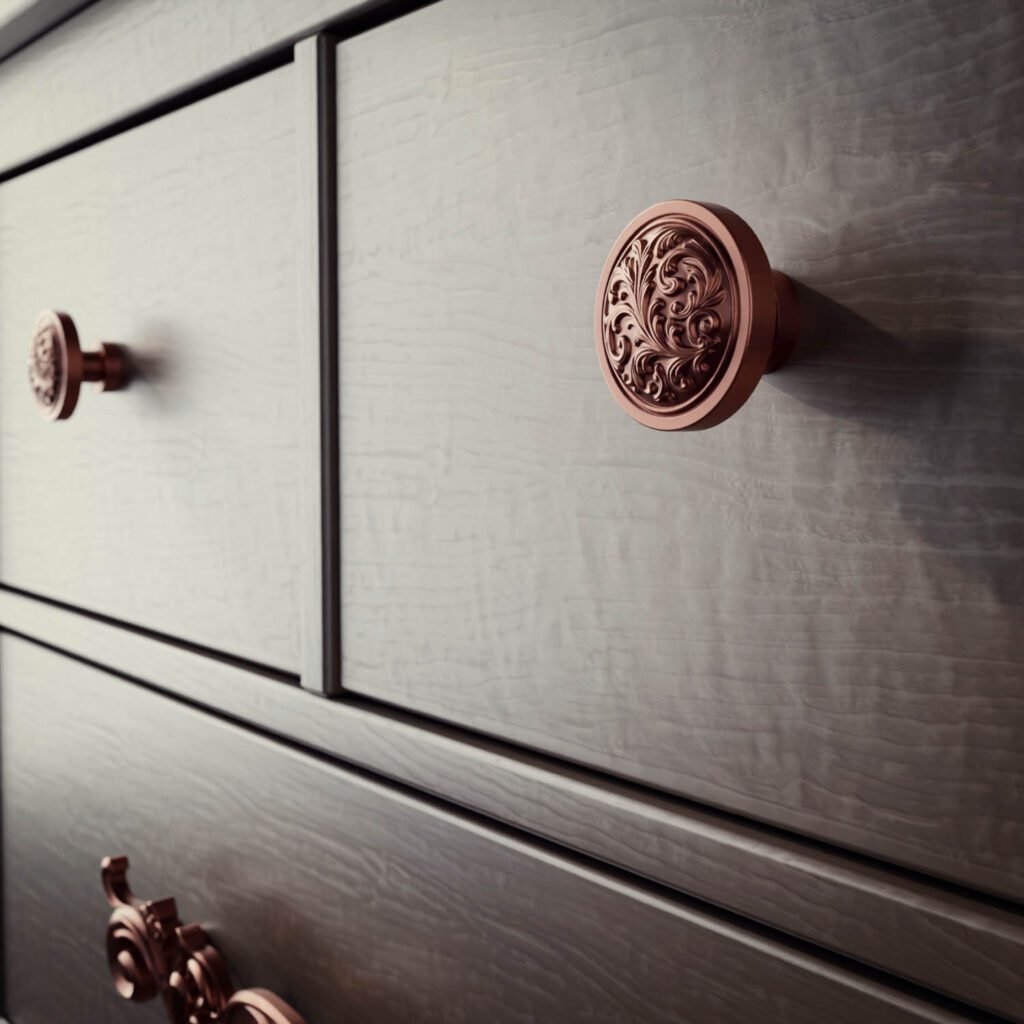
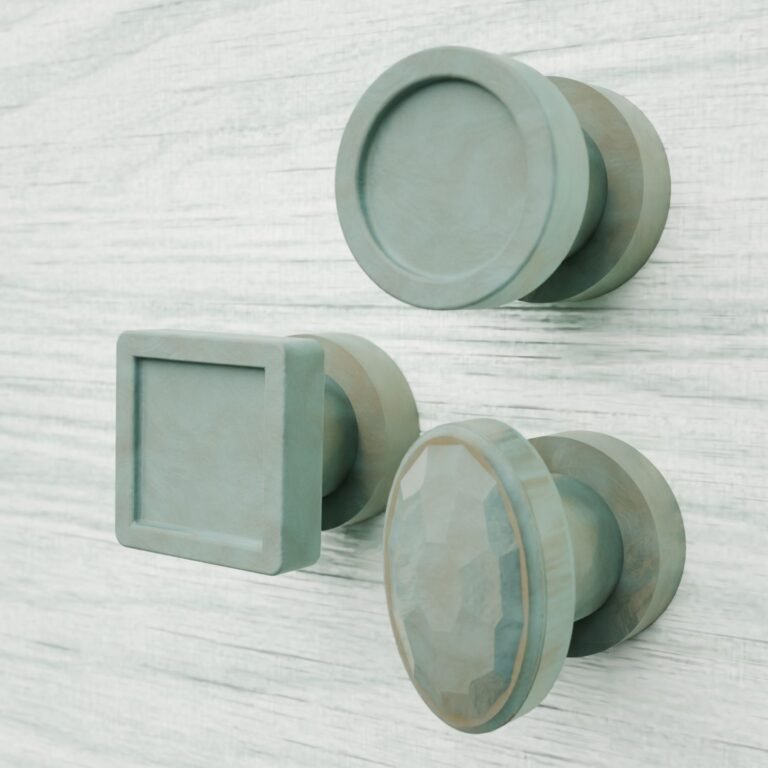
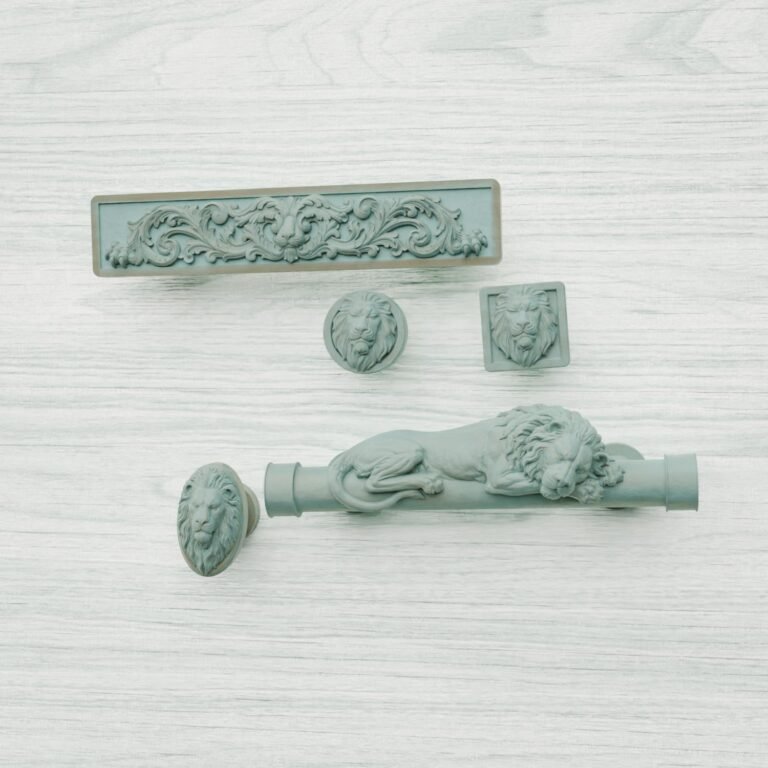
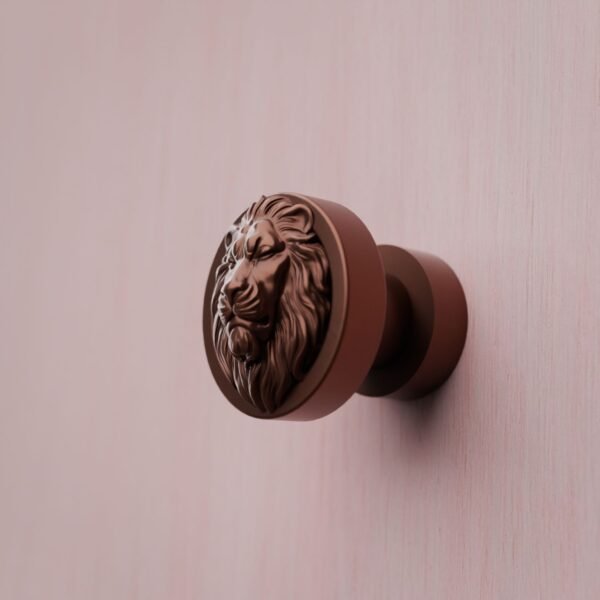
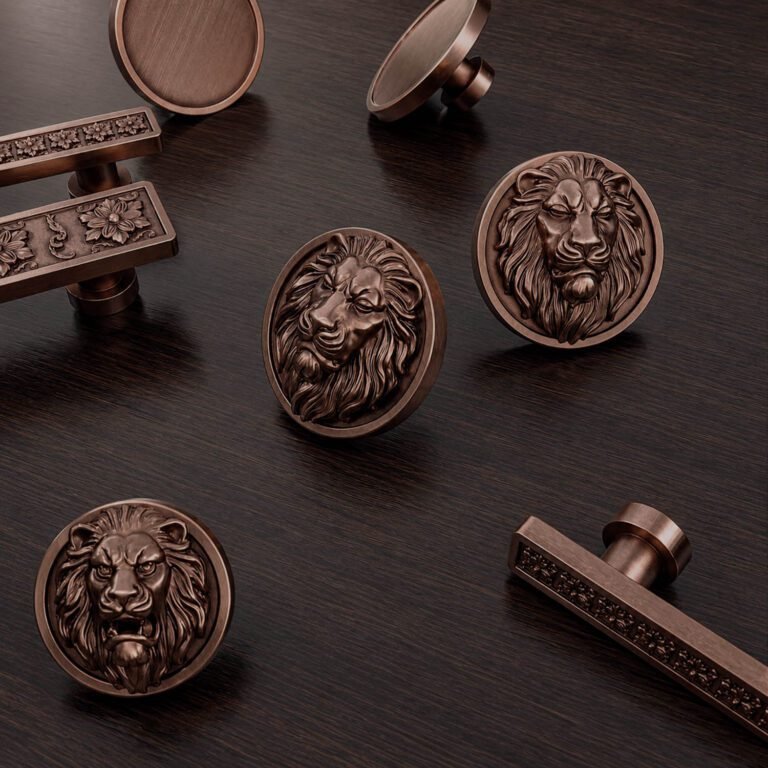
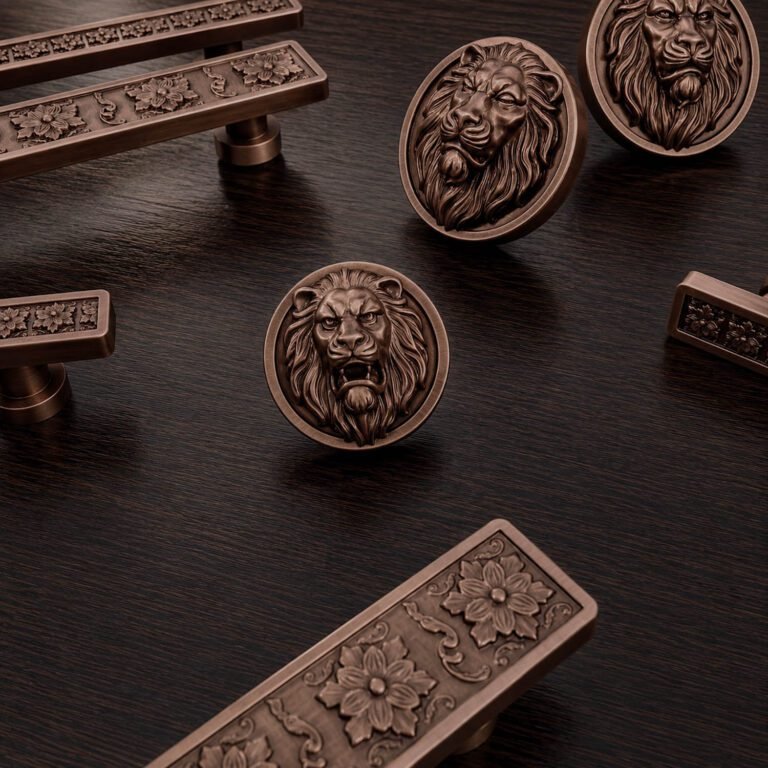
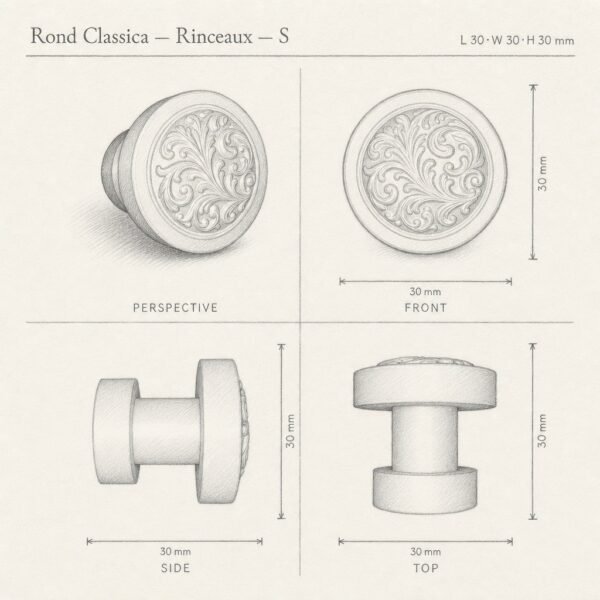
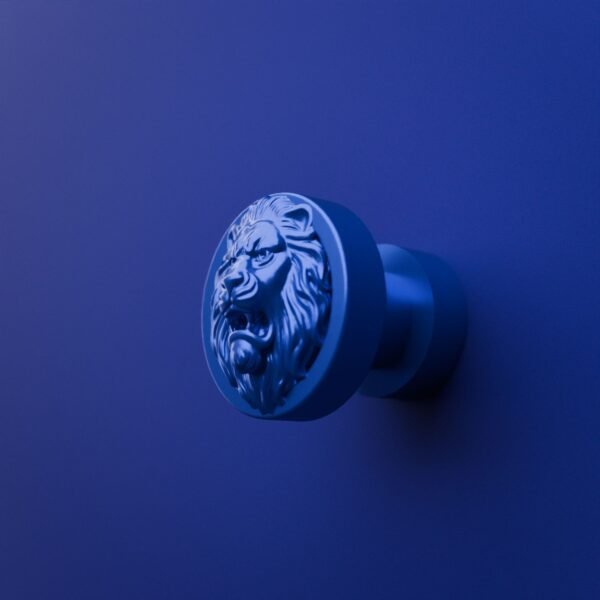
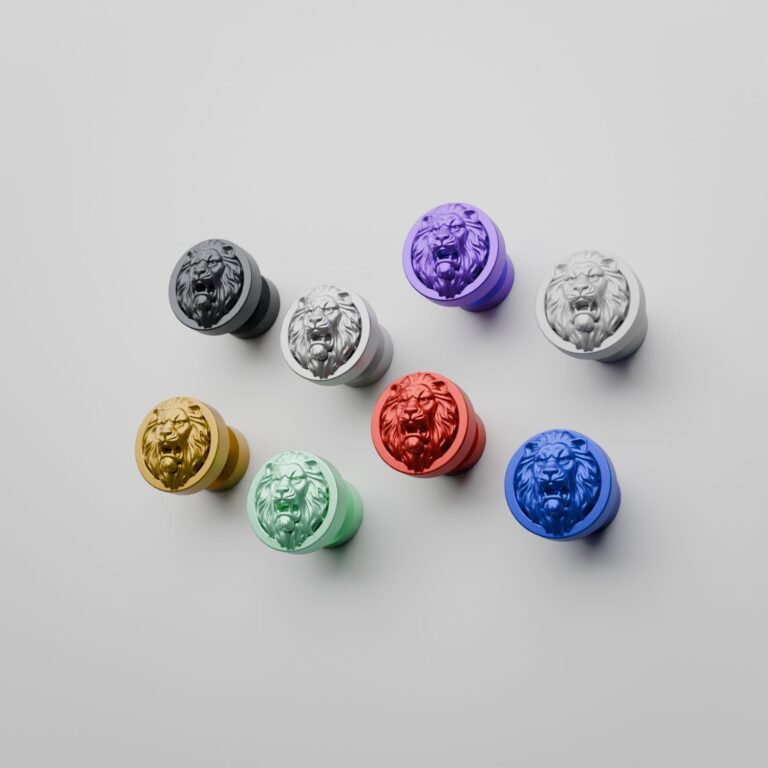
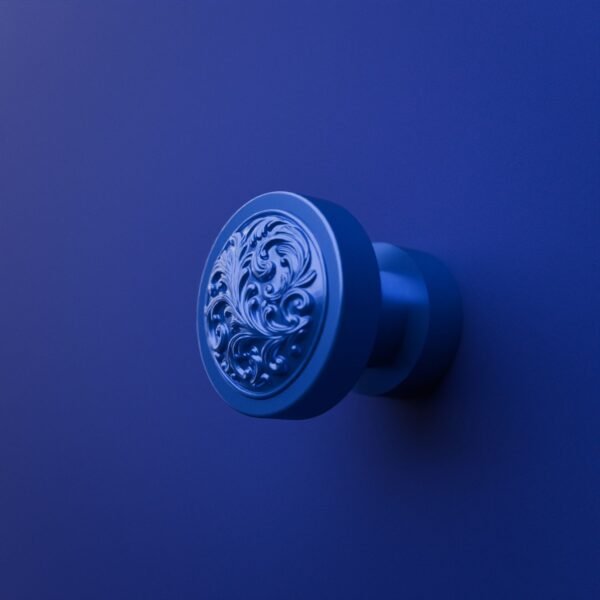
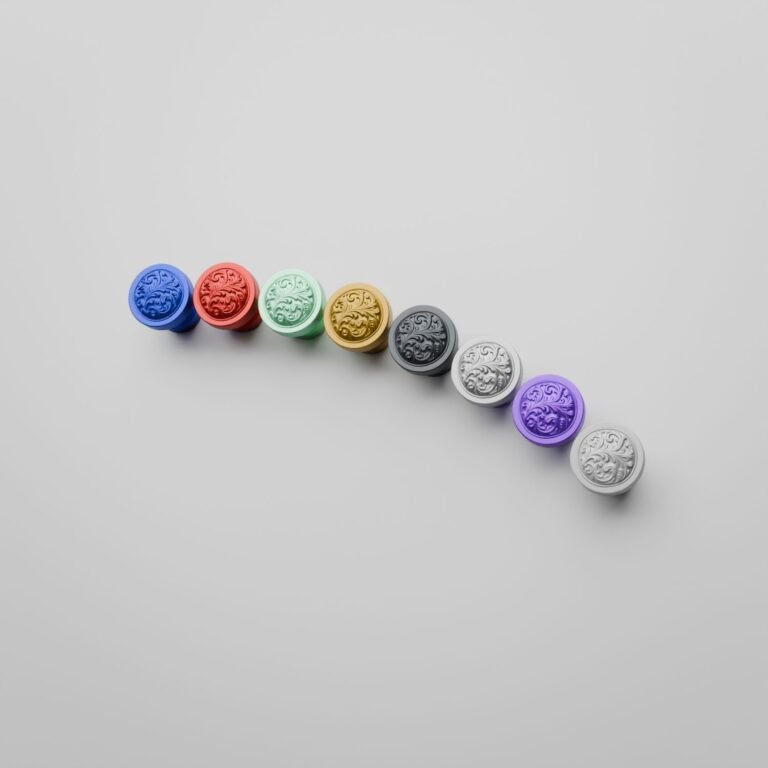
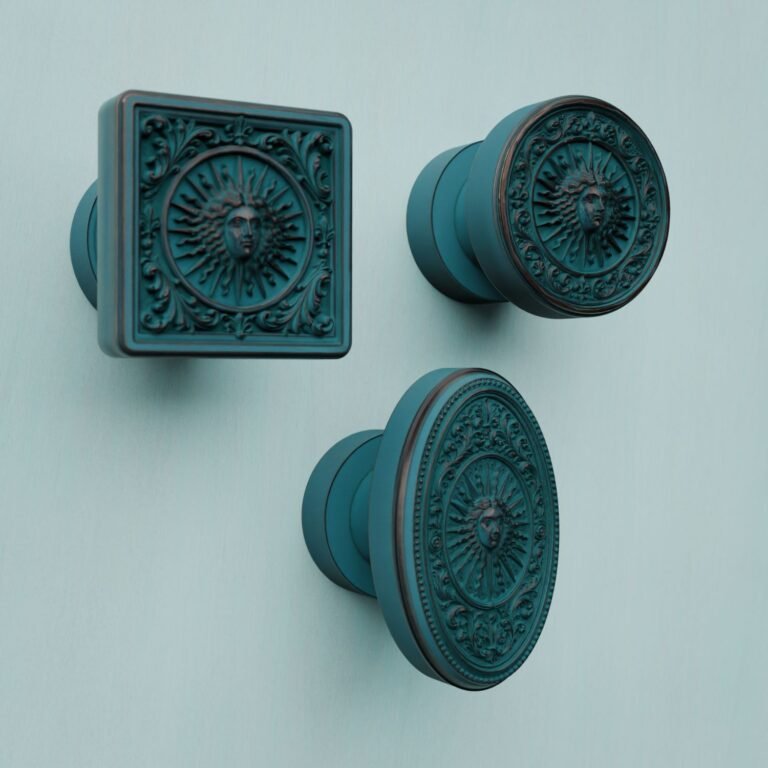
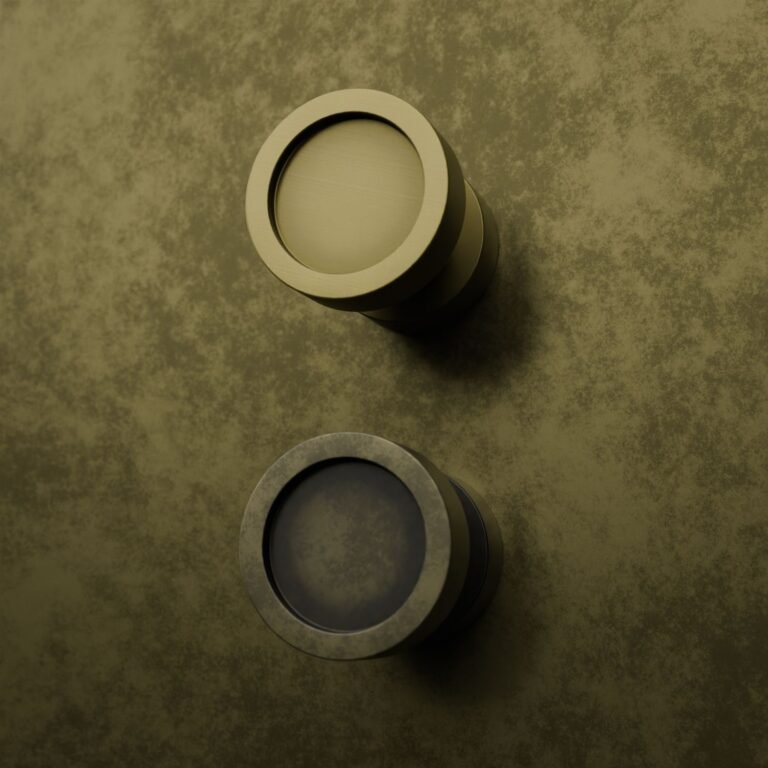
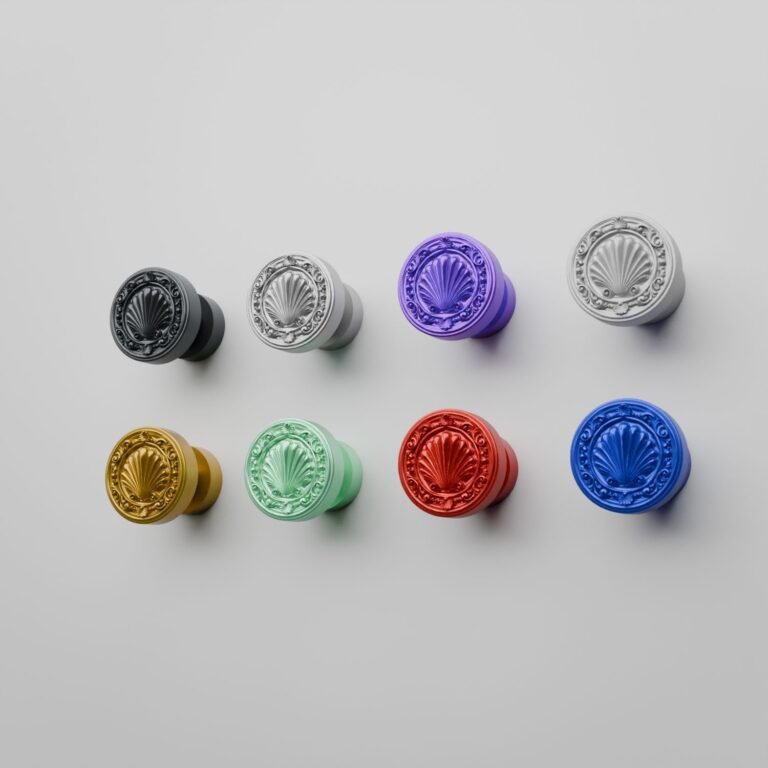
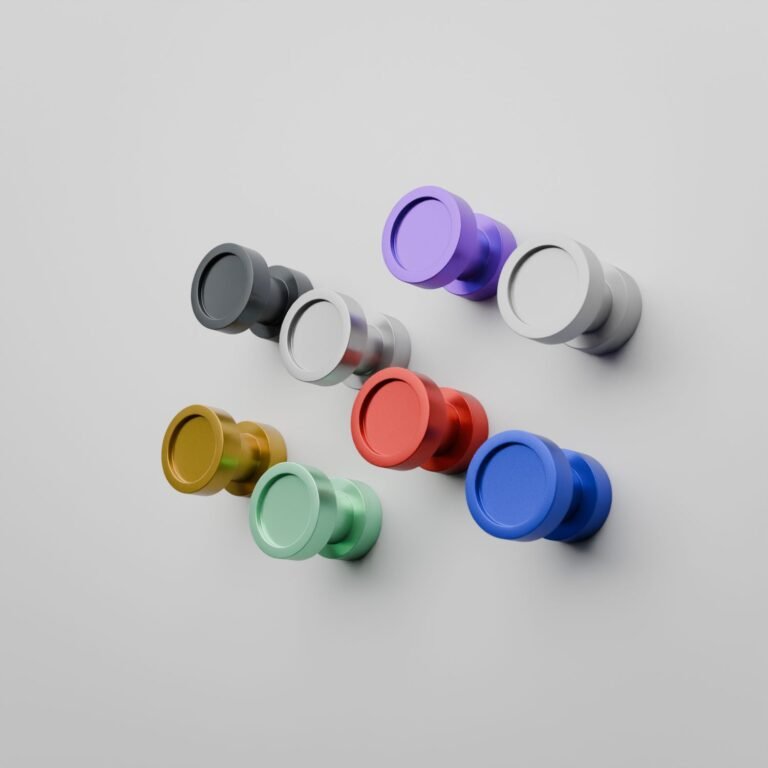
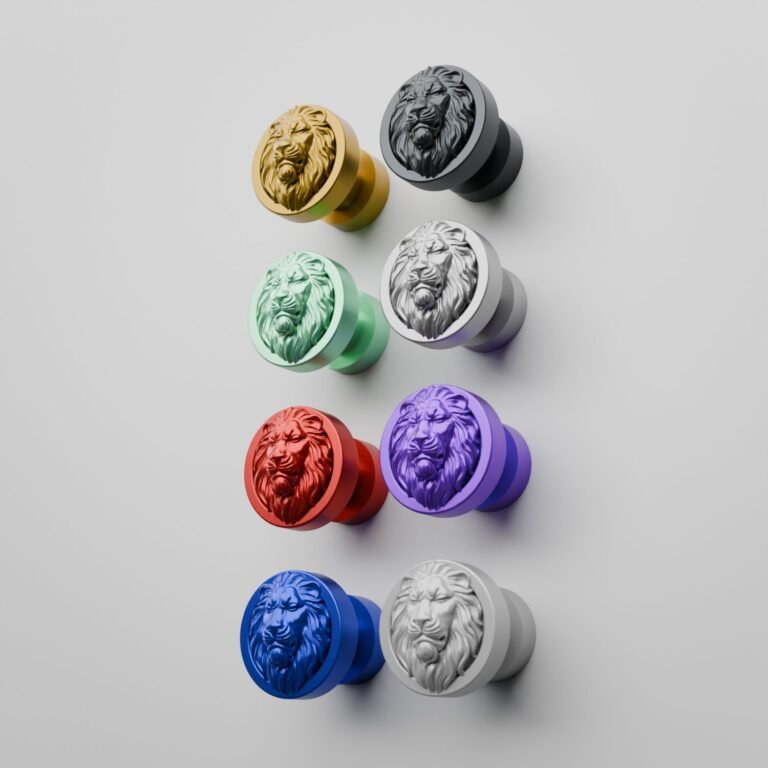
A few Holdon handles in pictures

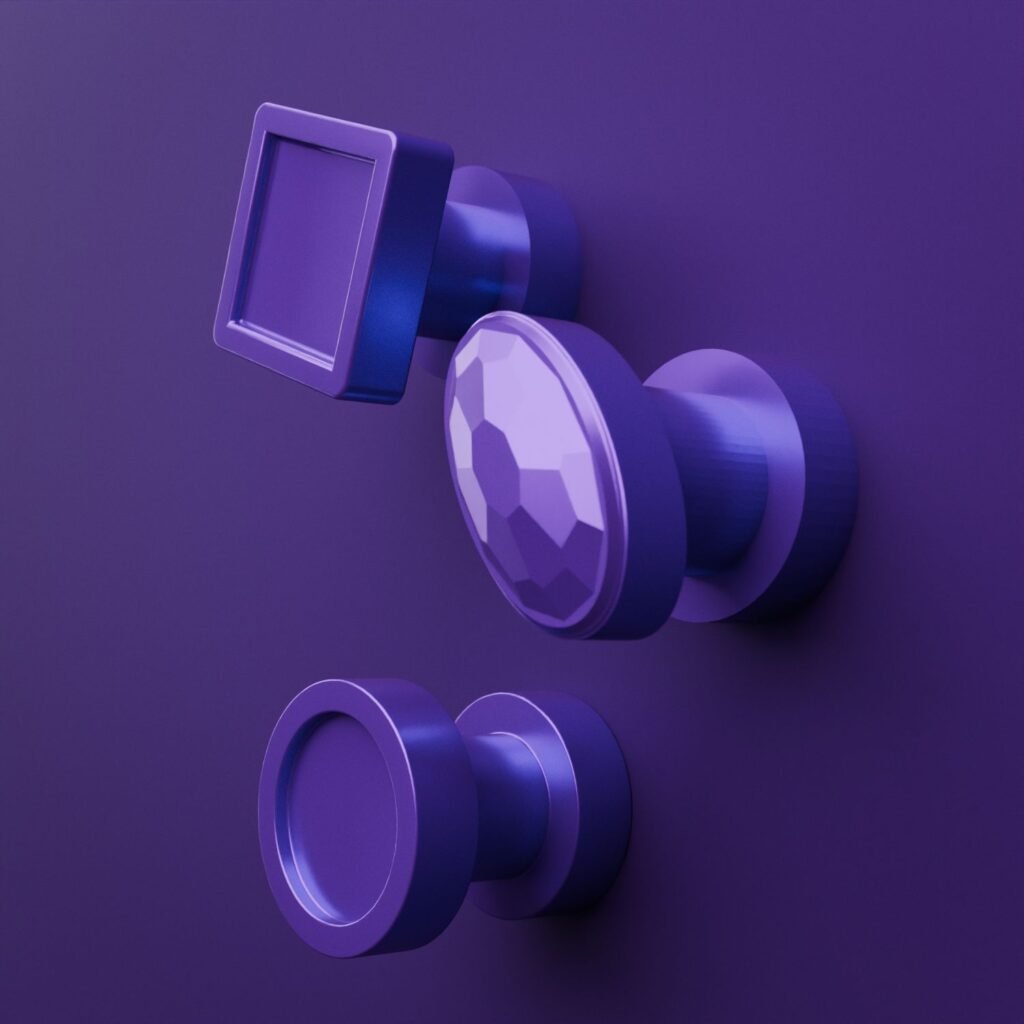
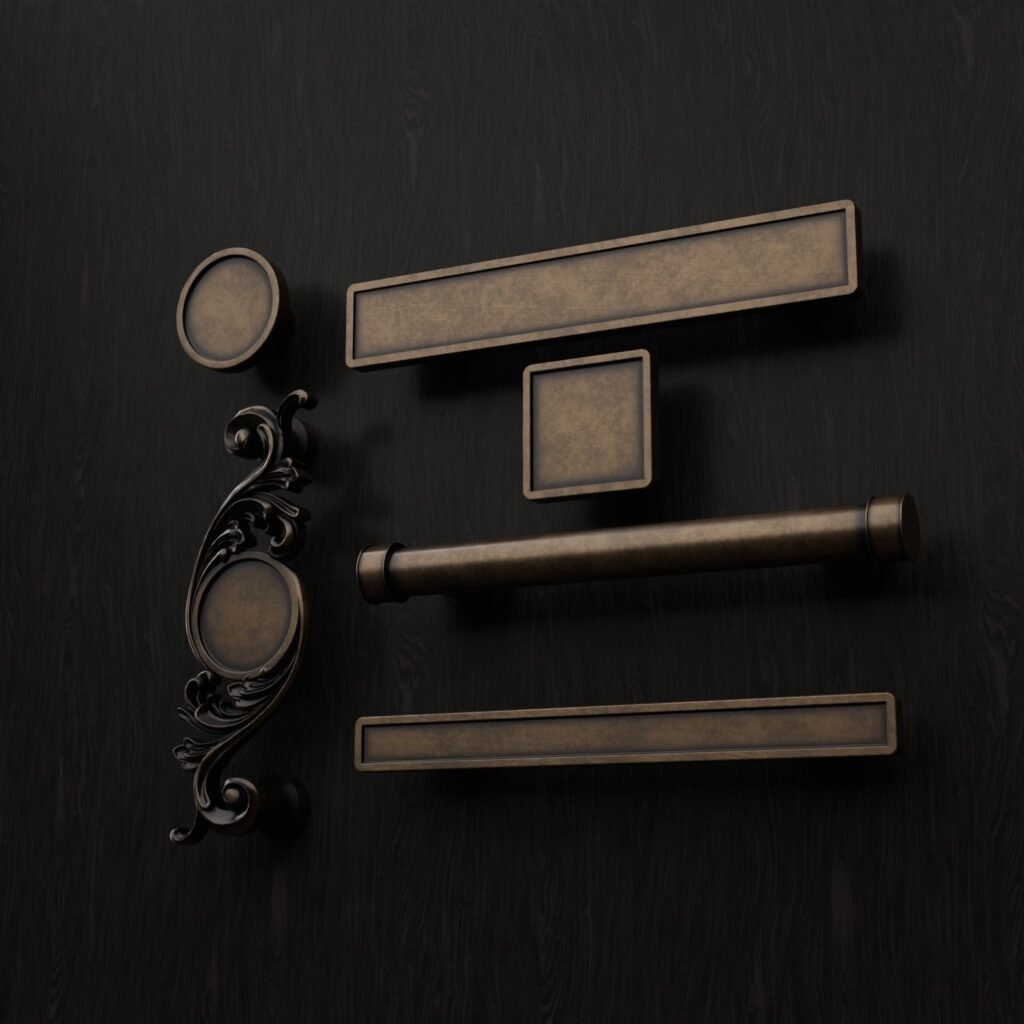
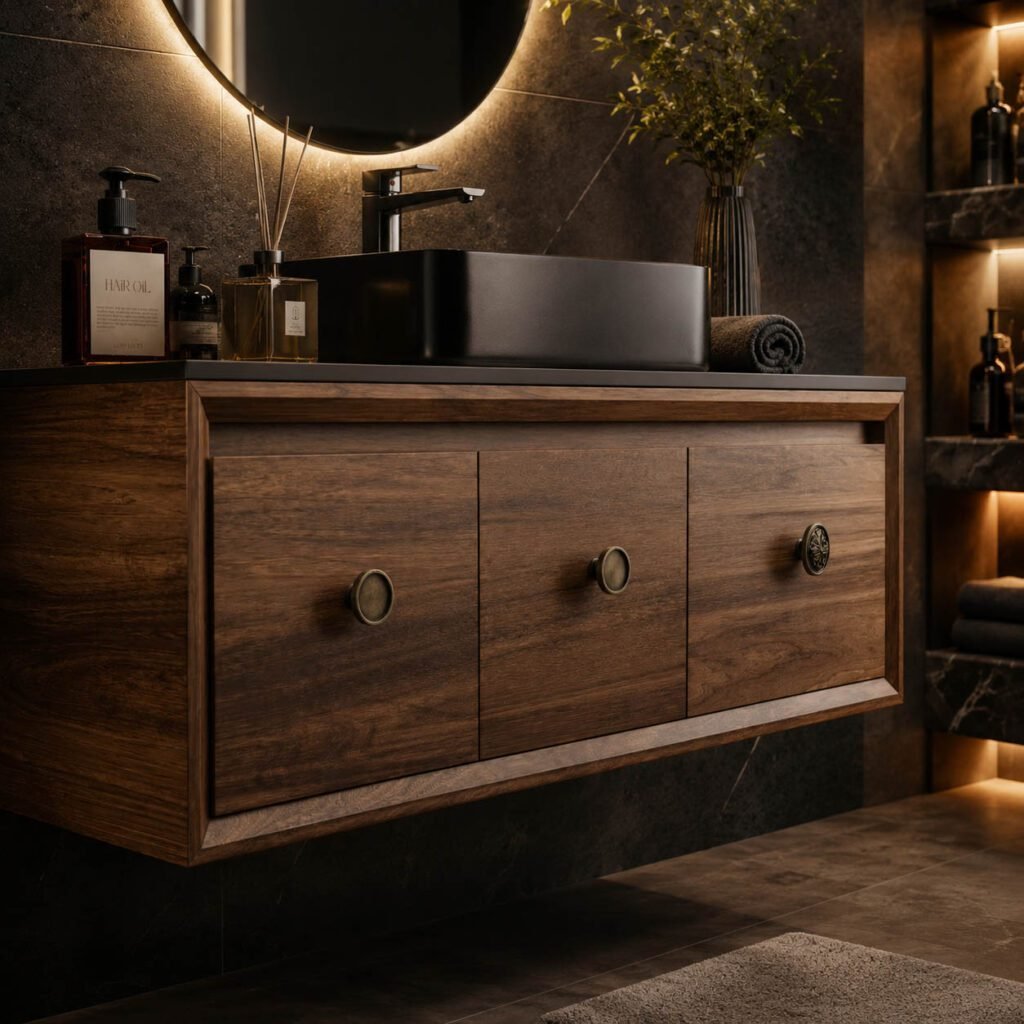

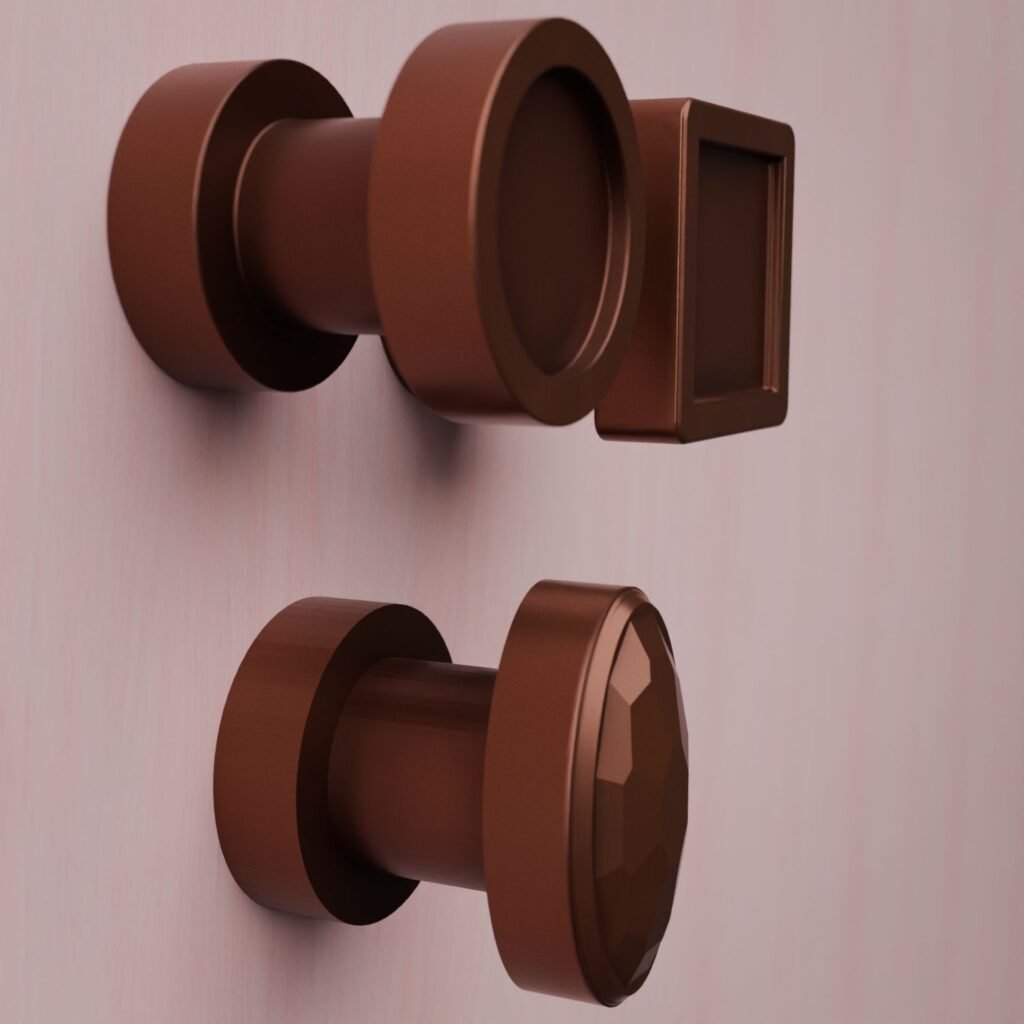



Features
What defines this shape
Four visual markers set this shape apart and guide how it’s used.
Continuous line
No angle, no edge, just a perfect curve. That’s what makes the round shape visually restful: the eye finds no snag, it glides around.
Universal grip
No imposed direction. The hand catches it from any angle. On kitchen drawers or children’s furniture, it’s the most practical everyday format.
Stylistic versatility
The round shape has no expiration date. It works on Louis XV, Scandinavian, Brutalist, Art Deco. No style of its own, so compatible with all of them.
Range of scale
From the slender knob (XS, almost a point) to the bold statement knob (L/XL, which becomes a signal), the round shape takes on every scale without losing its nature. The character shifts with size, not the rightness of the form.
The silhouettes
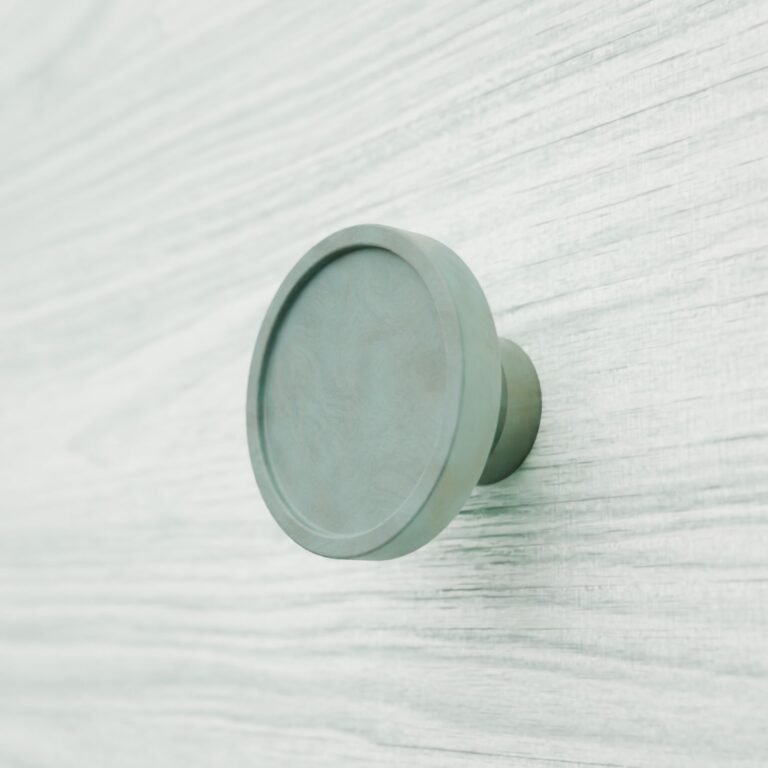
The silhouettes of our handles • Round
Each silhouette is a precise variation within this shape: different proportions, different reliefs, different characters.
The catalog
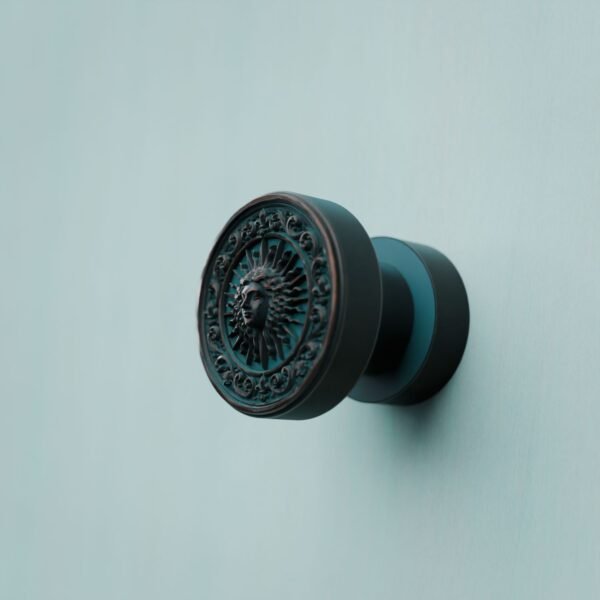
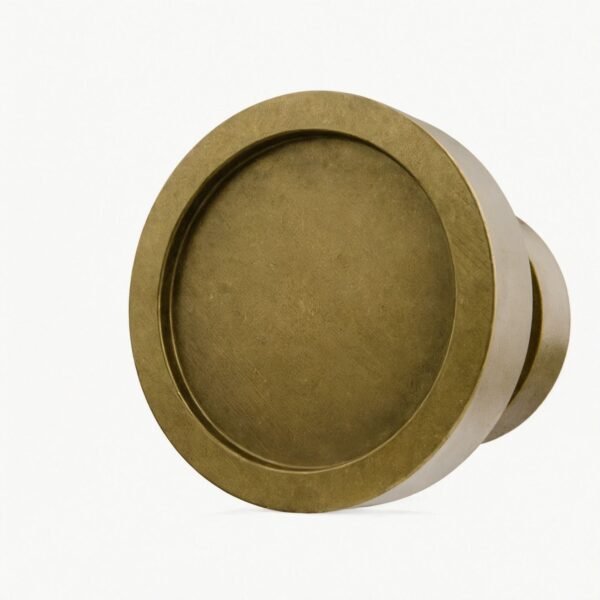
All our handles & knobs • Round


$78.95

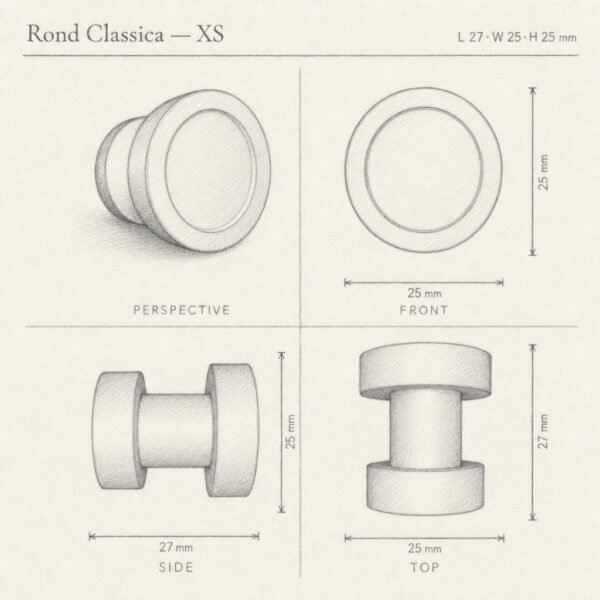
$67
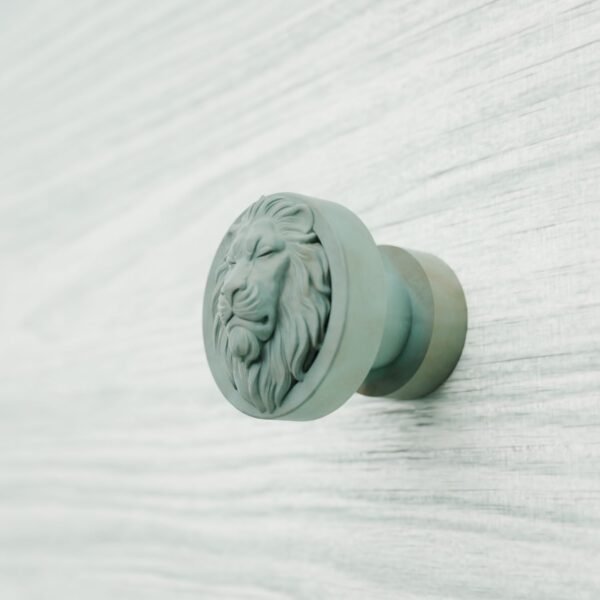
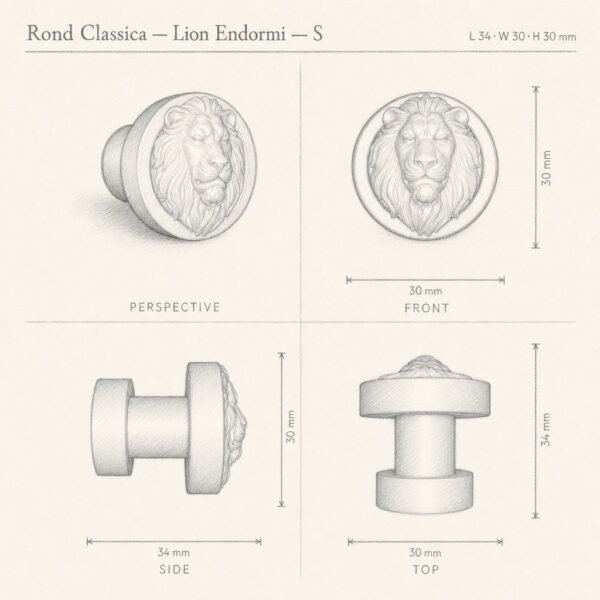
$43.95

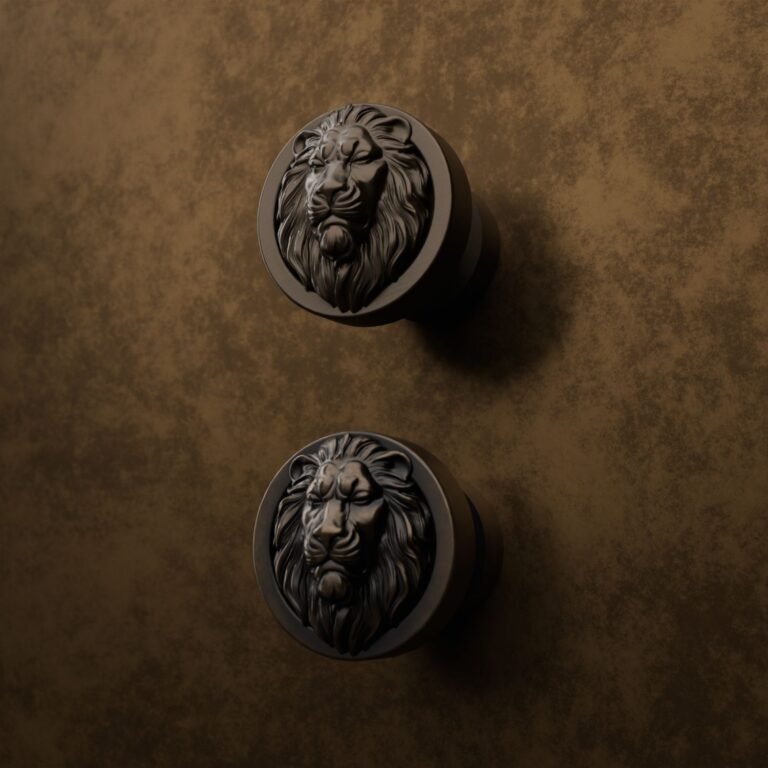
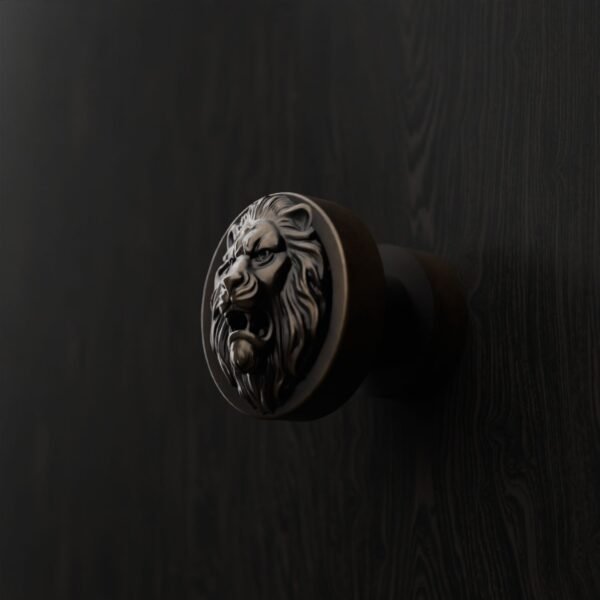
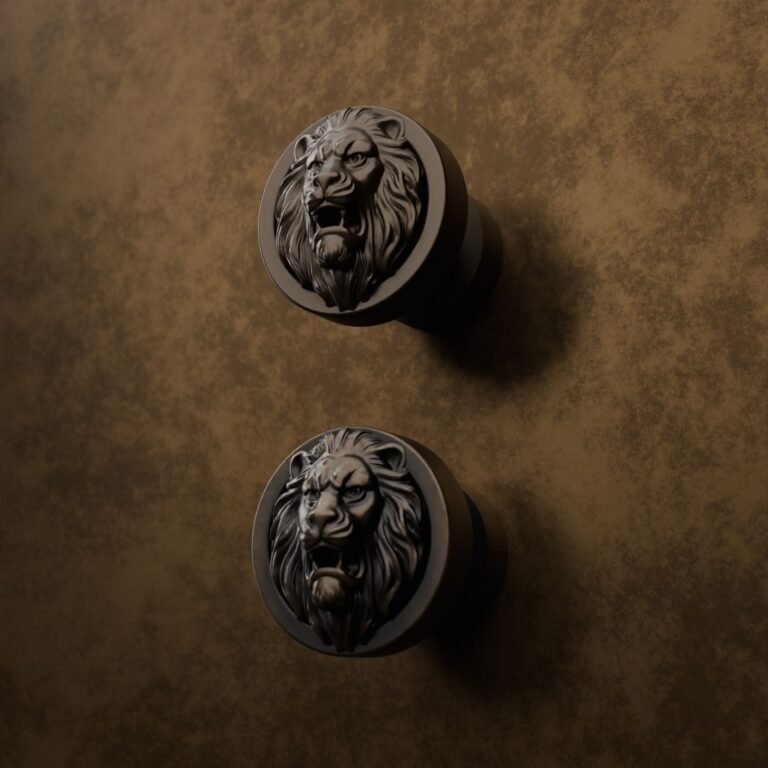
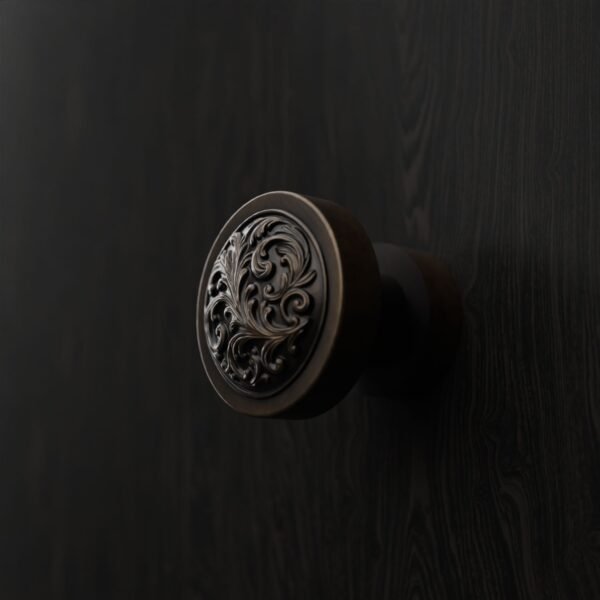
$61.95
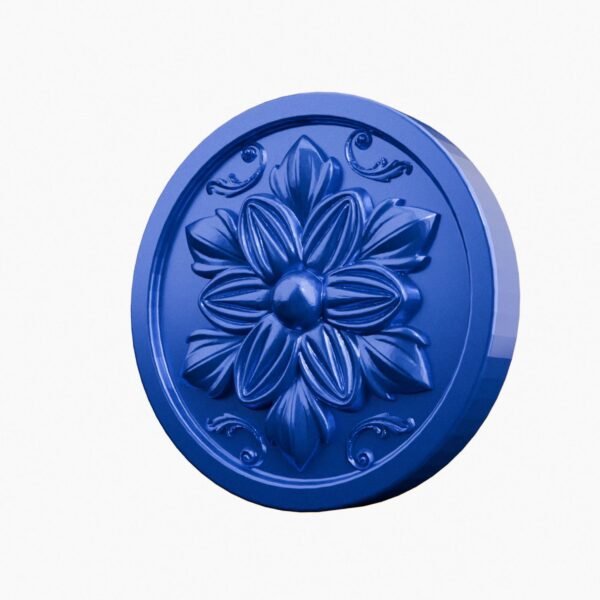
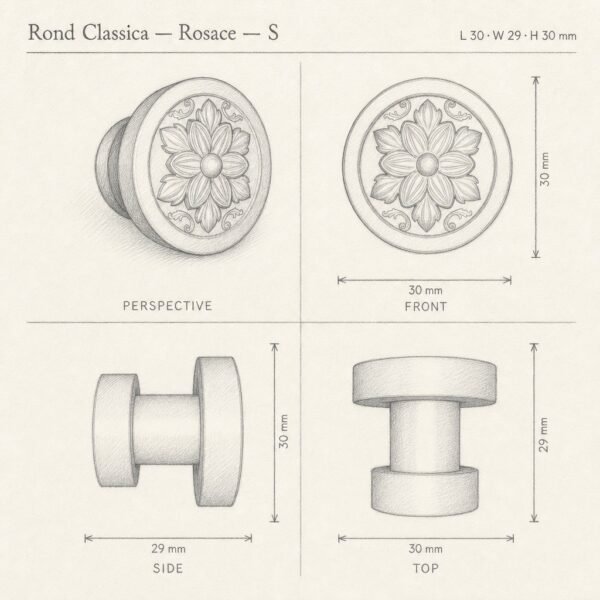

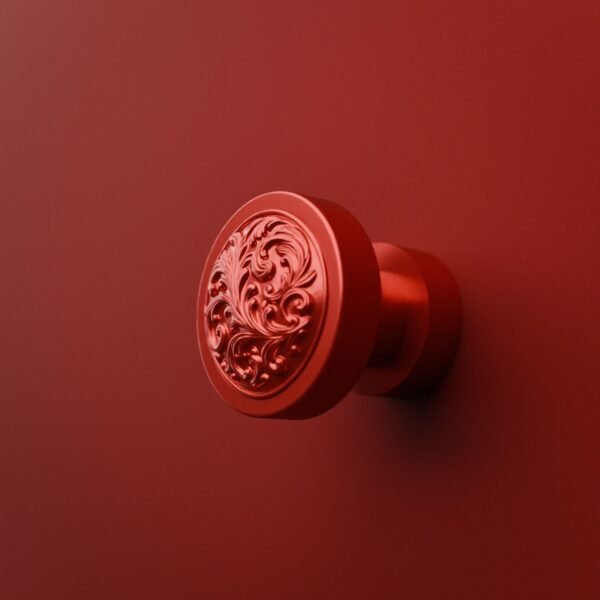
$22$18.70-15% until October 31
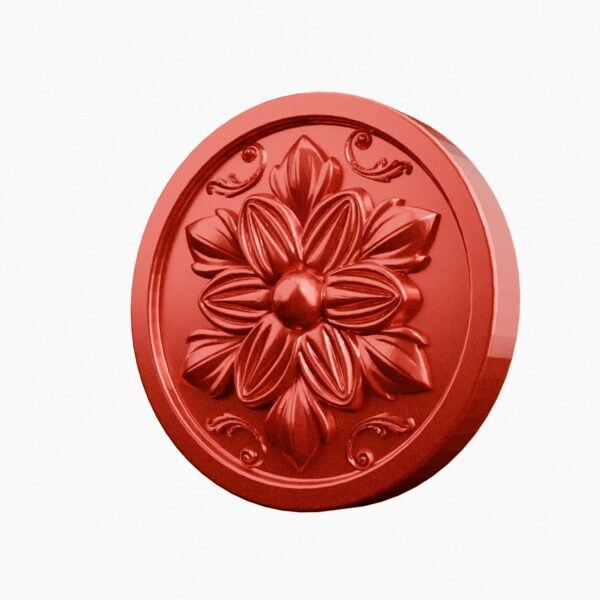
$22$18.70-15% until October 31


$22$18.70-15% until October 31
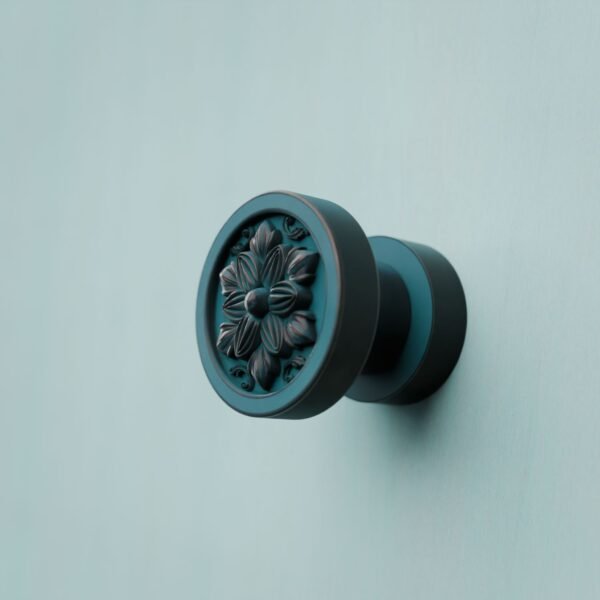
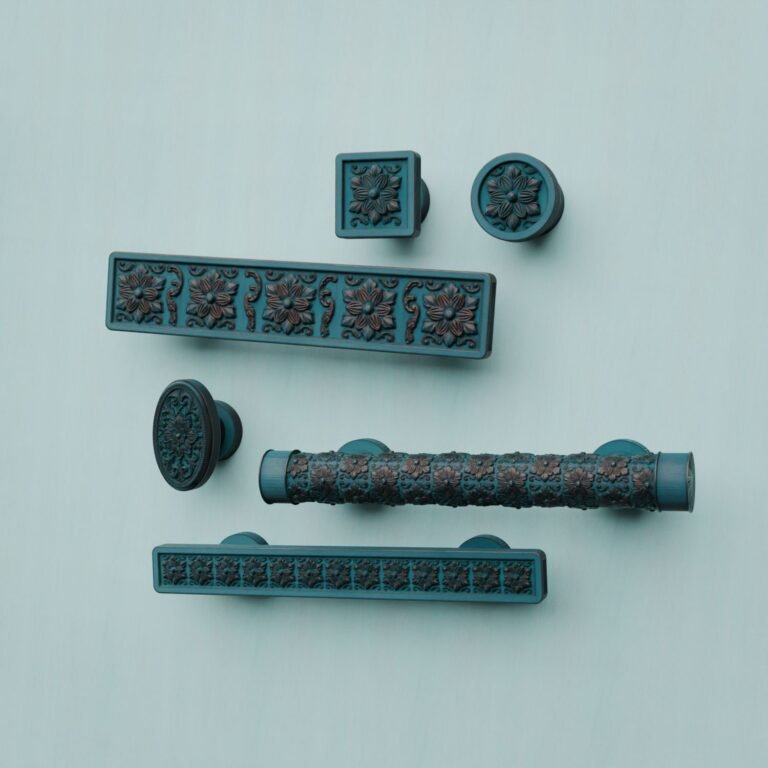


$50.95


$50.95
$38

$10
Origin
A story, a memory
The rounded knob is likely the oldest handle typology of all. Traces of it appear in furniture from antiquity, where chests and cabinets were fitted with knobs of wood, bronze, or ceramic. Eighteenth-century France turned it into a precious detail, rendered in Sèvres porcelain or gilt bronze: the handle became jewelry.
Art Deco redrew it as pure volume, and Scandinavian industry brought it within everyone’s reach. Now, in the twenty-first century, it resurfaces on contemporary kitchens with flat-front cabinetry, where it lends a note of softness to spaces that can otherwise feel too rigid.
The atelier · Holdon Paris
How is our catalog built?
At Holdon, every handle is designed as a piece of jewelry for furniture, born in our Paris atelier from a dialogue between three voices.
The material
The shape
A true shape, chosen the way one chooses a goldsmith’s line, taking form in a precise silhouette.
Usage contexts
Where this shape works
The round knob works everywhere. It’s especially at home on drawers (easy to grip with a full hand), in kitchens (built for heavy daily use), on children’s furniture (no sharp corners to worry about), and on minimalist fronts, where it becomes the single visible detail.
It also pairs beautifully with other shapes: using a round knob for drawers alongside a more structured silhouette (square, rectangular) for doors creates an interesting visual rhythm, like a two-voice composition.
Continue exploring
Beyond the shape
See the silhouettes
Every silhouette we offer, all shapes included, from the most structured square to the sculptural decorative.
See all silhouettes →By collection
Each silhouette belongs to a collection, a coherent universe of finishes and patterns.
See all collections →By material
Bronze, copper, brass, aluminum, lacquer, bioresin, each material has its own surface grain, its own character.
See all materials →Frequently asked questions
Your questions about handles shaped round
Find your handles
Which Handle Shape Best Suits My Home?
Round and oval shapes are soft and timeless, at ease anywhere; square and rectangular shapes bring a clean rigor, more contemporary; figurative shapes tell a story and become statement pieces. The best guide is the rest of the room: straight lines call for geometric shapes, a classic interior takes a more worked piece more easily. Nothing rules out contrast, a figurative shape on a very plain front often hits the mark. Our filter only shows you the shapes actually available given your other criteria.
What Kind of Interior Suits a Round Handle?
A Round handle reads first through its geometry: that's what sets the tone. Round shapes soften, squares and rectangles structure, figurative shapes tell a story and become a focal point. Take your cue from the rest of the piece: match the shape to its lines, or play a bold contrast if you want a piece that catches the eye. There's no wrong choice, only an intention to commit to.
How to Choose Between a Knob and a Pull?
A knob attaches at a single point: it suits cabinet doors and small drawers, where it stays discreet. A pull attaches at two points, bar style, and offers a better grip on deep drawers and large fronts. There's no need to choose one or the other: many kitchens combine both, knobs on the upper doors and pulls on the lower drawers. Everyday use, more than trends, often settles the question: a heavy drawer pulls more easily with a bar.
Available Shapes
How Many Handle Shapes Does Holdon Offer?
Our catalog distinguishes several shape types: square, round, rectangle, oval, polygon, cylinder, and figurative. Some already come in several silhouettes, others are still taking shape. The shapes you see here are the ones with at least one silhouette available today. We add new ones regularly, each shape introduced the day its catalog is ready.
Shape and Silhouette
What's a Shape Versus a Silhouette?
Shape is the broad category: square, round, rectangle, oval, polygon, cylinder, figurative. Silhouette is a precise variation within a shape, with its own proportions, relief, and character. The Palazzo Square, for instance, is a silhouette of the square shape. A single shape can therefore hold several silhouettes, spread across several collections.
Catalog of Shapes
Can I Already Browse the Shapes Still in Development?
Not yet. Shapes with no silhouette available aren't listed: we'd rather introduce them the day their catalog is ready than show them half finished. The list grows with each new launch. Sign up for our newsletter to be notified as soon as a new shape joins the collection.
How to choose your cabinet handles
Product and Material
Finishes by shape
Are All Finishes Available in the Round Shape?
Available finishes depend on the collection each silhouette belongs to, not directly on the Round shape. A single shape can bring together silhouettes from different collections, each with its own palette of finishes. Every silhouette listed here therefore has its own set of finishes, visible on its dedicated page. Open the one you're interested in to see its exact finishes.
Find your handle
Filter the catalog by material, finish, size, or color. All our handles are made in Paris, to order.
Refine Round's silhouette
Refine handles by Round shape
By price
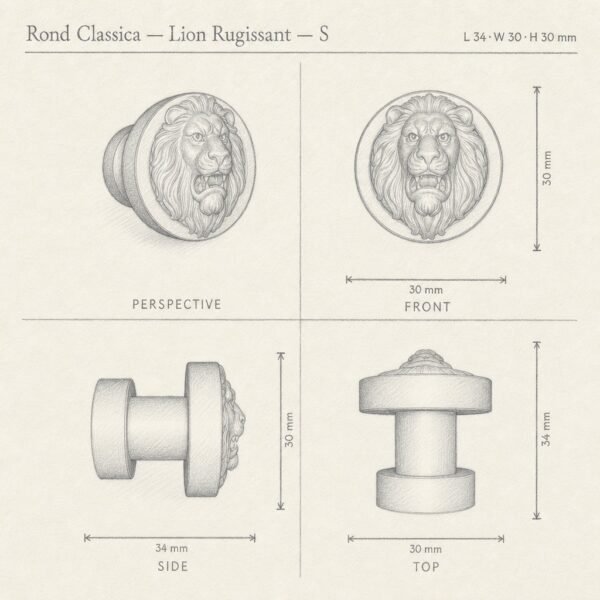
Dimensions
Size
Center-to-center
Exact dimensions
Height (cm)
Width (cm)
Depth (cm)
Appearance
Colors
Material
Finishes
Type & Shape
Cabinet handle types
Mounting orientation
Shape
Specific shape
Silhouette
Style
Collection
Pattern