The Lion, Two Moods
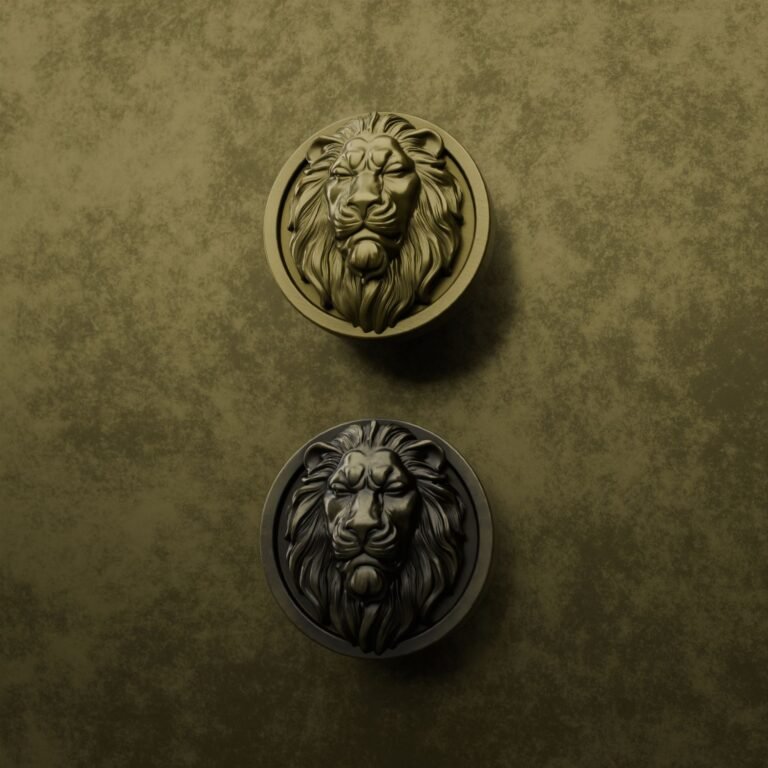
Same creature, two moods.
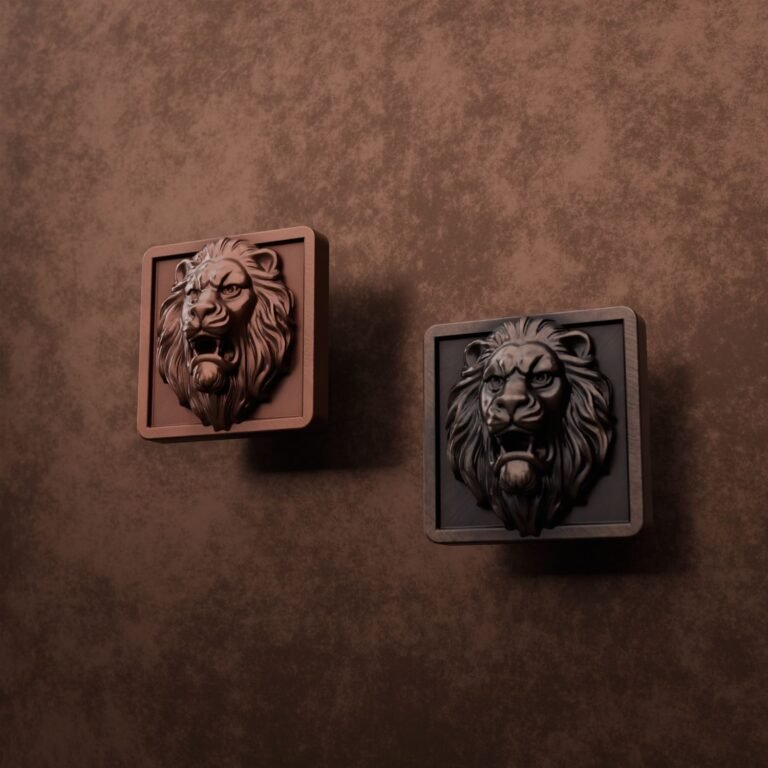
We could have designed a single lion. We made two. One roars, the other sleeps. It’s the same animal, and it’s anything but the same object. Between the two, it isn’t a matter of taste but a matter of intent: what you want the piece of furniture to convey, and where.
An ancient figure, two moods
The lion is likely the oldest figure of power in the decorative repertoire. You’ll find it on door knockers, fountain masks, family crests, funerary sculpture, always where the eye lands first. It’s a sculptural figure par excellence: a pattern that doesn’t decorate a surface, it inhabits it. The question was which of the two lions to choose. Rather than pick one, we kept both faces of the animal.
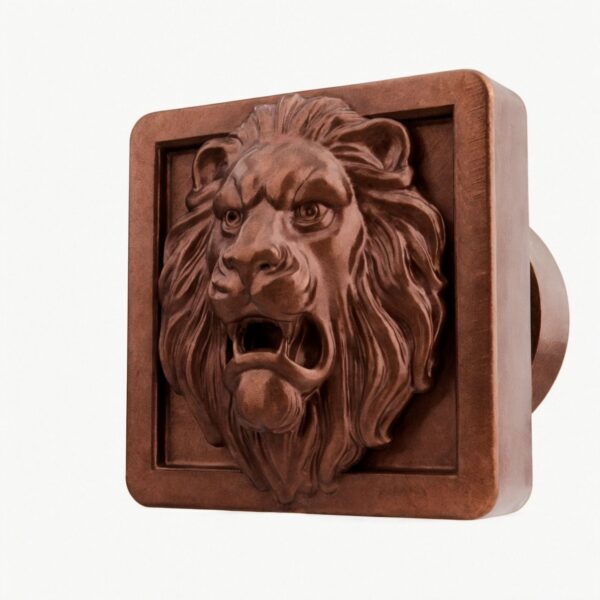
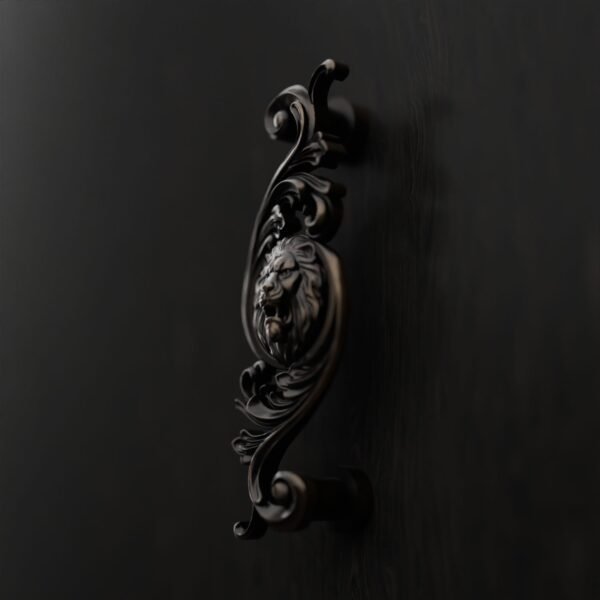
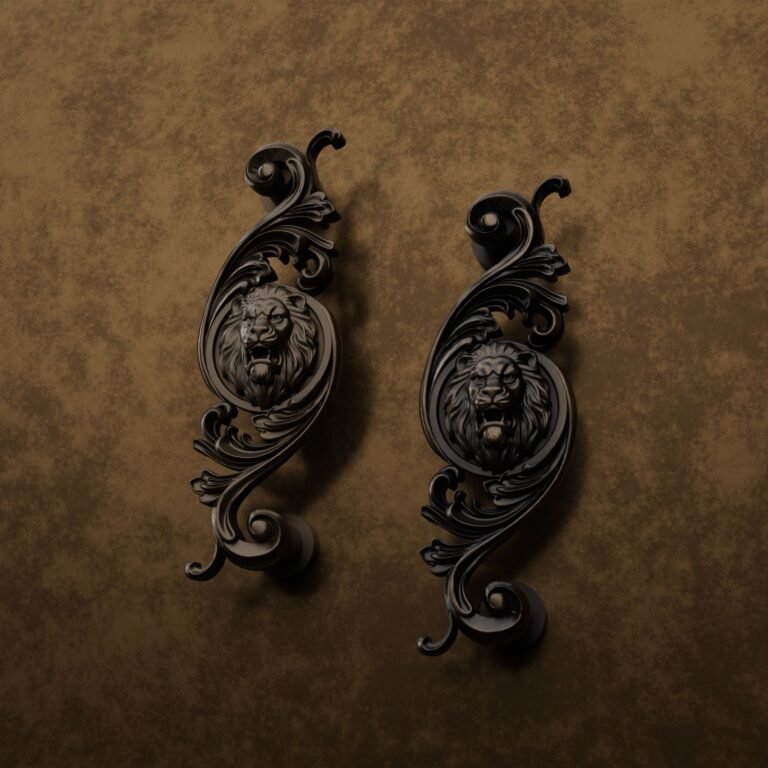
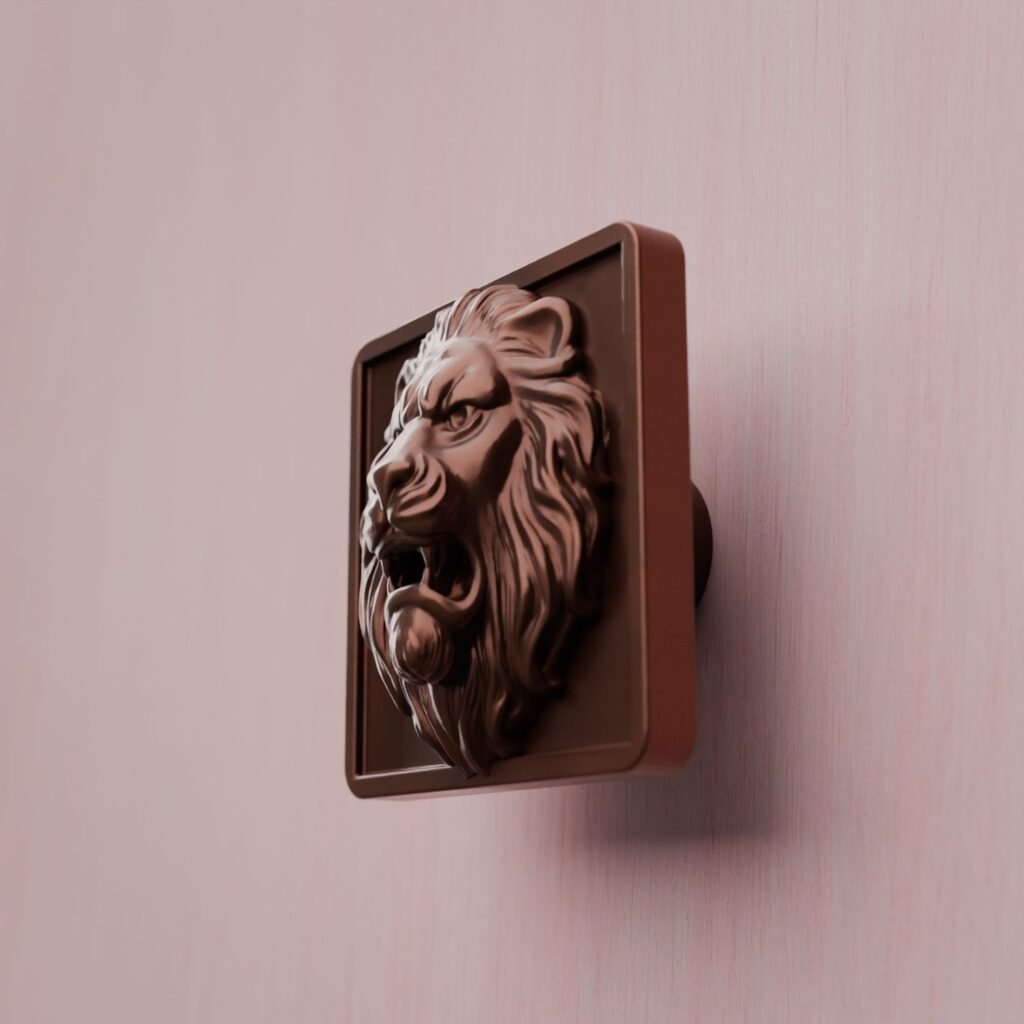
The Roaring Lion: power in action
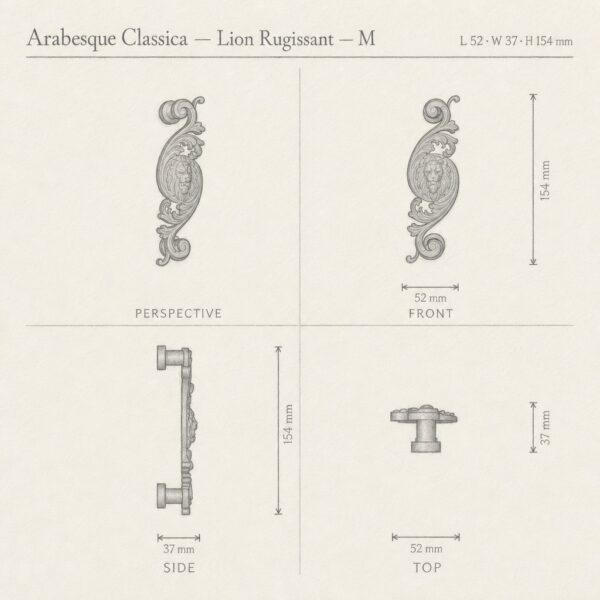
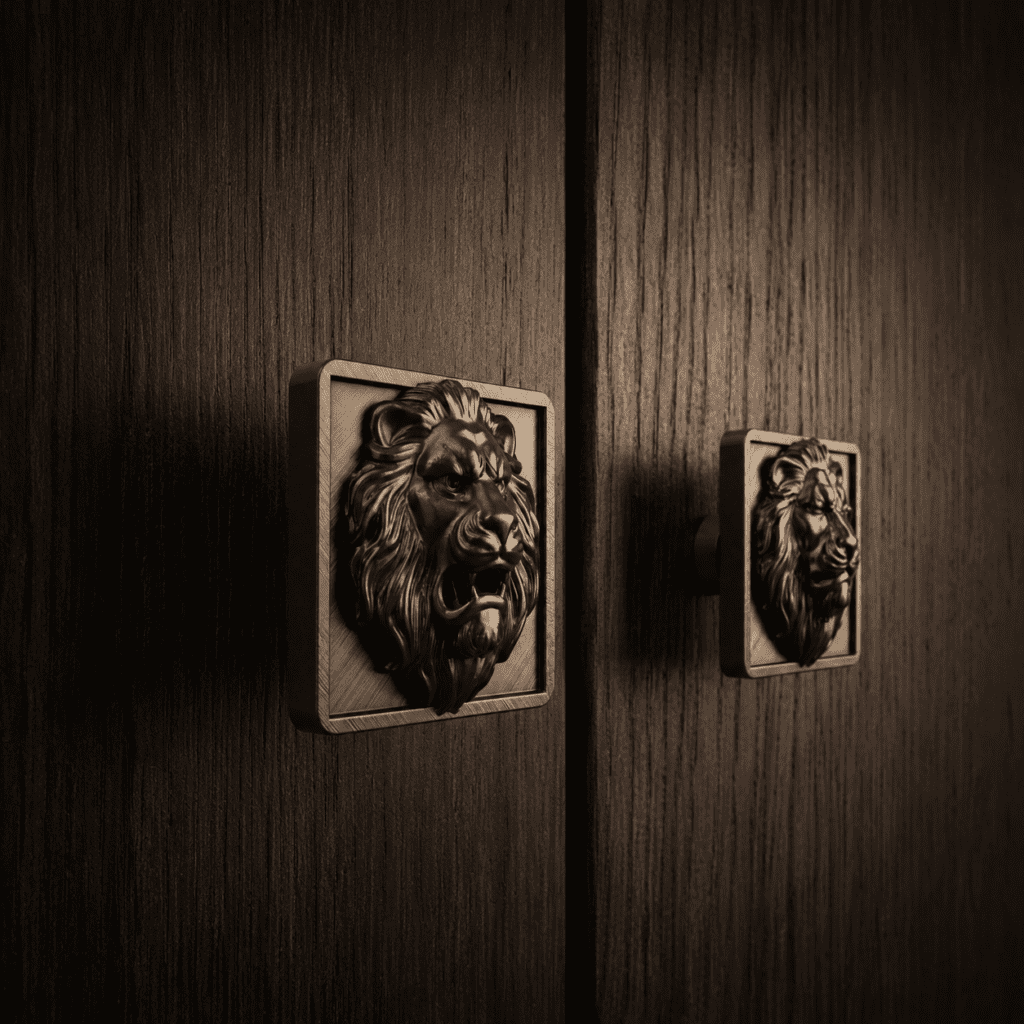
The Roaring Lion has panache. Mane raised, jaws open, full presence. Set on a front that matters, it asserts itself, it fills the space, it gives character to a room that was asking for it. It’s a handle you choose when you want the piece of furniture to have something to say.
Because it’s strong, it’s used sparingly. A cabinet’s entry door, the main front of a bookcase, a kitchen island: one well-placed gesture is enough to set the tone. Multiplied everywhere, it saturates; placed alone in the right spot, it becomes where the eye starts. It’s an accent pattern, not a background one.
The Sleeping Lion: power at rest
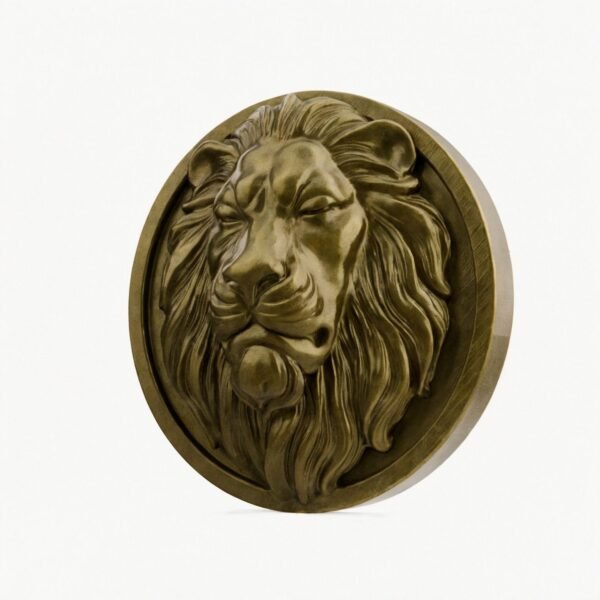
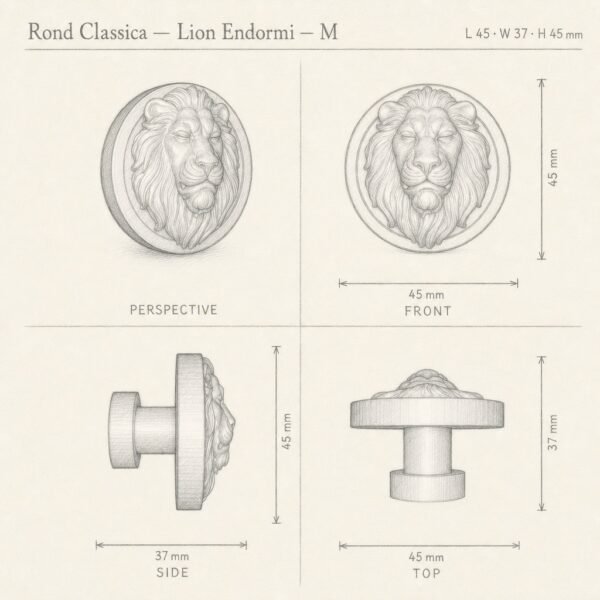
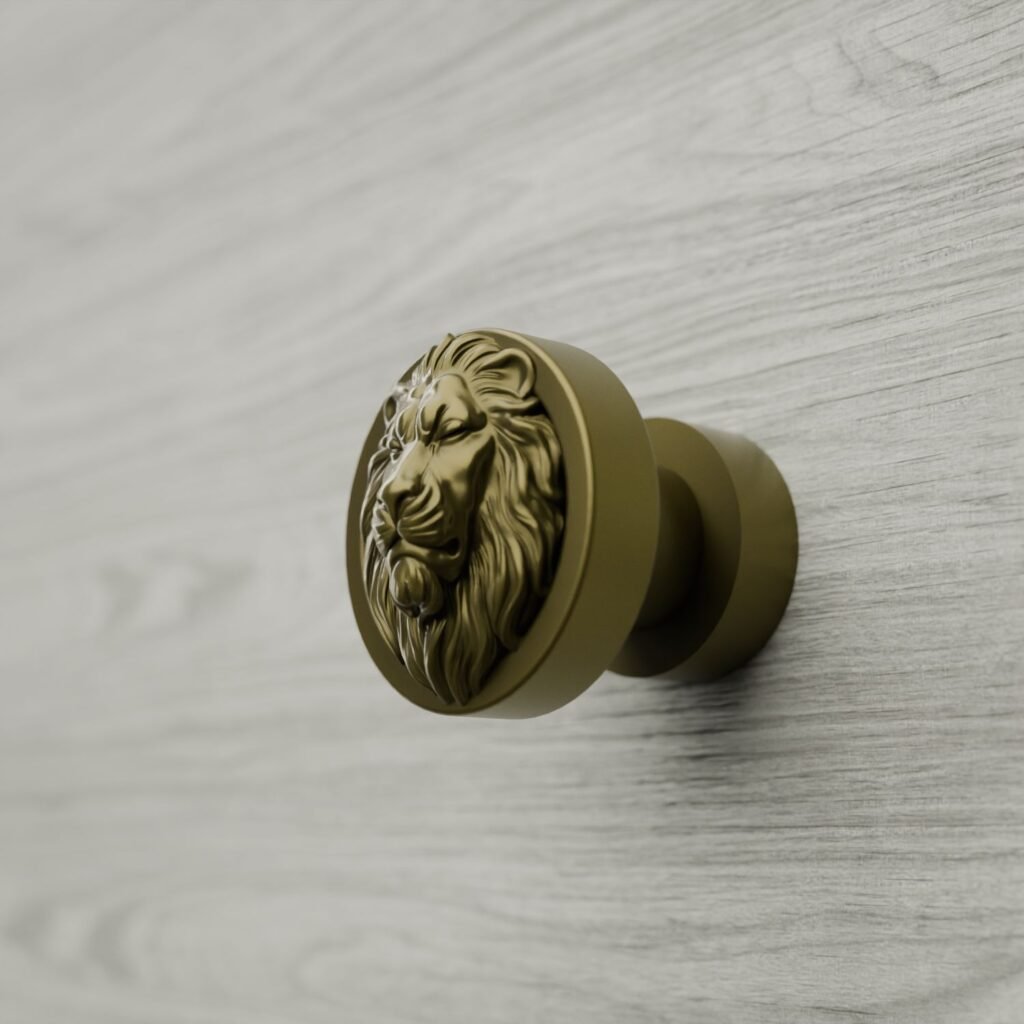
The Sleeping Lion, on the other hand, speaks more quietly. Calm lines, strength at rest, a softness that takes nothing away from its nobility. It has that rare quality of being assertive without being confrontational: you feel the same power, but with eyes closed.
It finds its place in more intimate settings: a bedroom, a closet, a piece you touch in the evening, a room where you’re after calm rather than brilliance. It’s also the lion that holds up better in repetition, its restraint lets it recur without tiring the eye, where the roaring lion would demand to stand alone. When you love the lion’s character but shy away from emphasis, this is the one you turn to.
Letting them talk to each other
And nothing says you have to choose. The Roaring Lion on the upper doors, the Sleeping Lion on the lower drawers: power up high, serenity within reach. The piece then reads from top to bottom like a sentence settling into calm, and the unity holds because, at heart, it’s the same animal.
This is exactly the logic we explore elsewhere: one silhouette, patterns that vary. The lion offers its most eloquent version, since the variation here plays out on a single, same creature. Place it on the curve of the Classica Round or within the frame of the Palazzo Square, and the mood shifts again: the shape that receives it is part of its expression.
You’re not just fitting a handle, you’re choosing an attitude for your home.