One Silhouette, Many Stories
The same shape, never the same gesture.
There’s a question rarely asked when outfitting a piece of furniture: should every handle match? Habit says yes, you pick one style, repeat it on every door and drawer, and the matter is settled. At Holdon, we start from the opposite idea, and it fits in one sentence: the silhouette stays, the pattern changes.
This isn’t a stylistic whim. It’s a way of thinking about furniture as a composition that reads, with its high points and its pauses, rather than as a grid of identical objects repeated over and over. To understand how it works, we first need to look at what a Holdon handle is made of.
A grammar in two parts
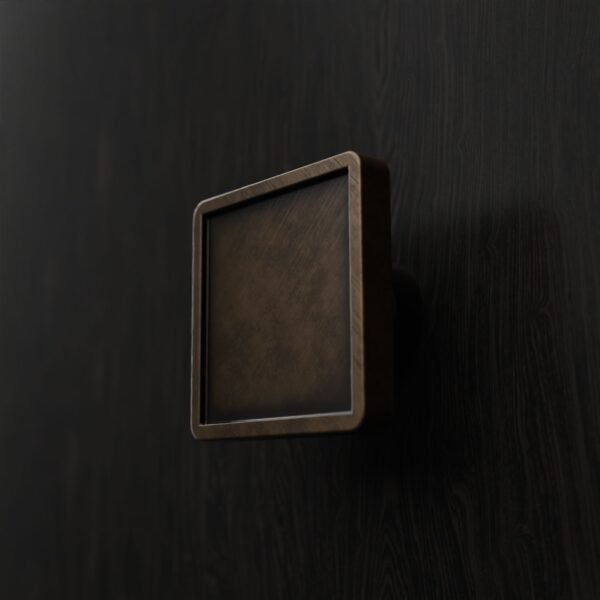
Every handle is born from the meeting of two things. On one side the silhouette: the bare shape, its geometry, the way it catches the light and sits in the hand. On the other the pattern: what comes to mark its surface, from absolute nothing to a small sculpture. The silhouette provides the structure, the pattern sets the tone.
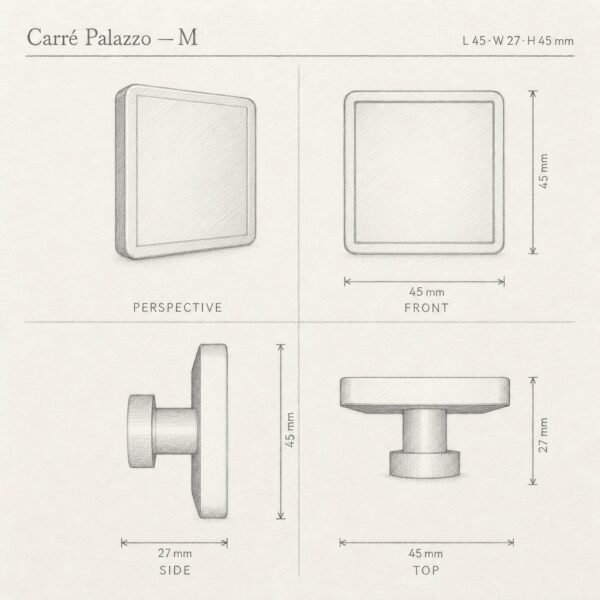
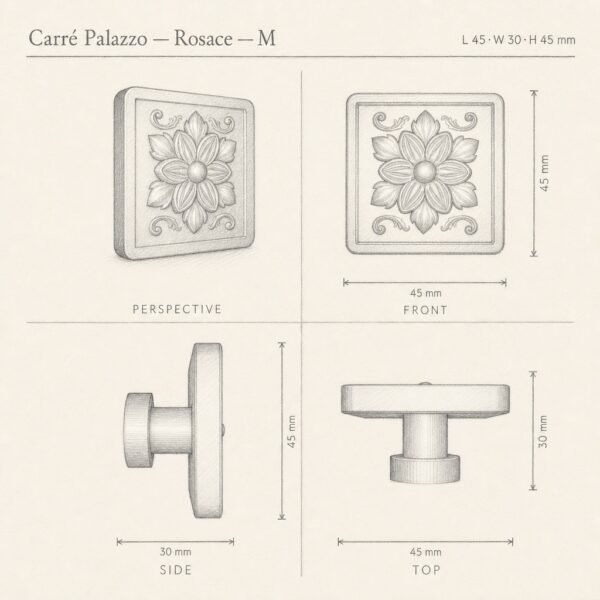
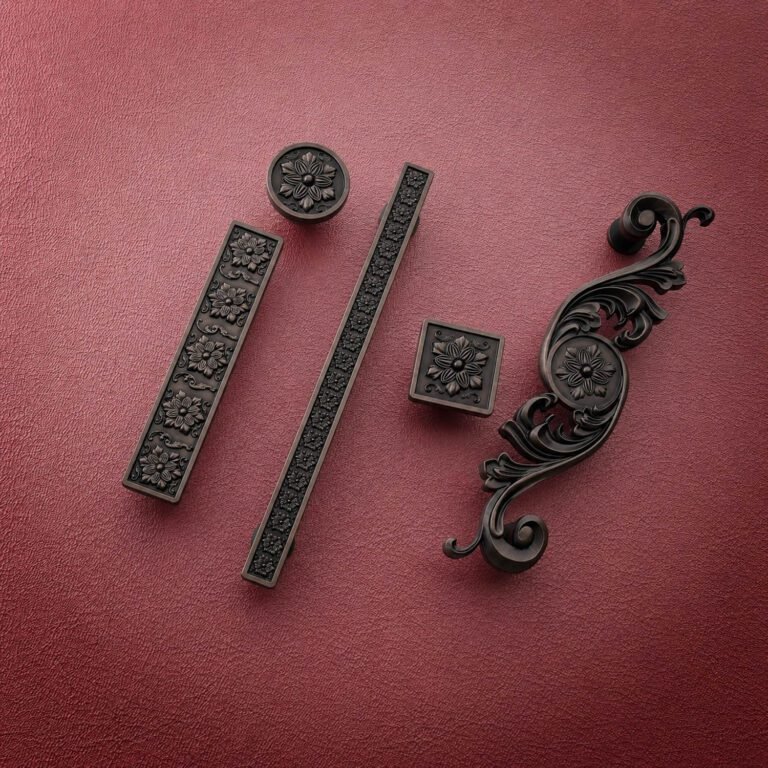
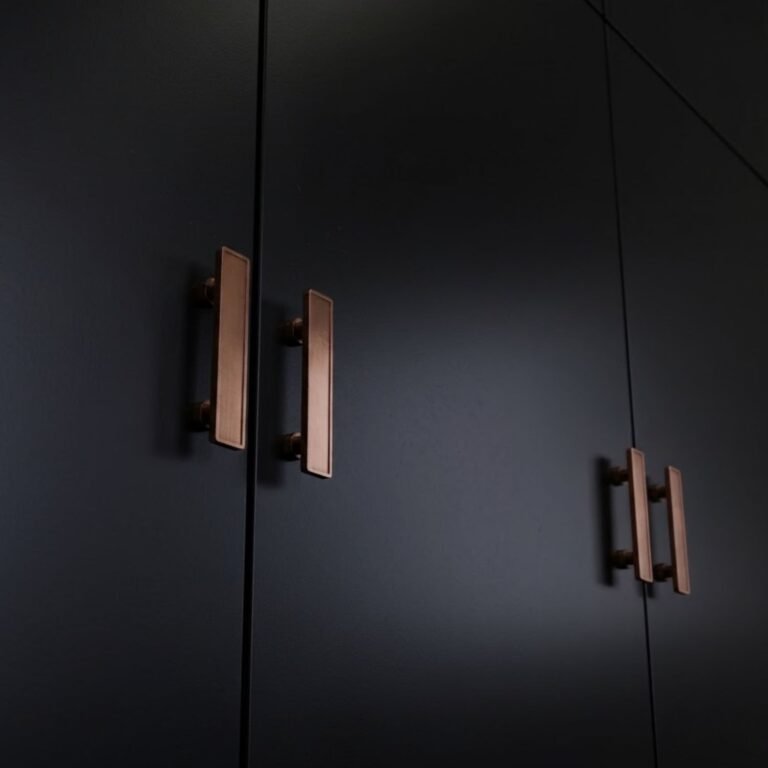
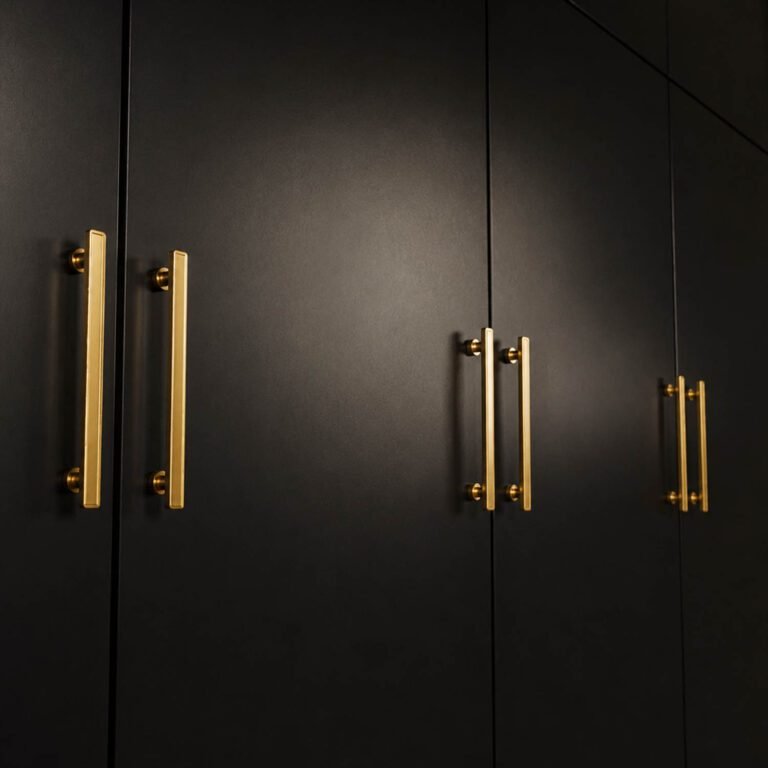
Our shapes can still be counted on one hand: the Classica Round and its universal roundness, the Palazzo Square and its architectural frame, the Bar and the Slim Bar for pulls. Each one then comes in several patterns, and the repertoire grows with every new release. It’s this mix and match that gives the catalog its richness: a handful of shapes, a growing collection of patterns, and countless ways to combine them on a single piece of furniture.
Three Pattern Registers
The number of patterns doesn’t matter, it keeps growing. What matters is the register each one belongs to. There are only three, and it’s the register that determines how a pattern behaves on a piece of furniture, from silence to storytelling.
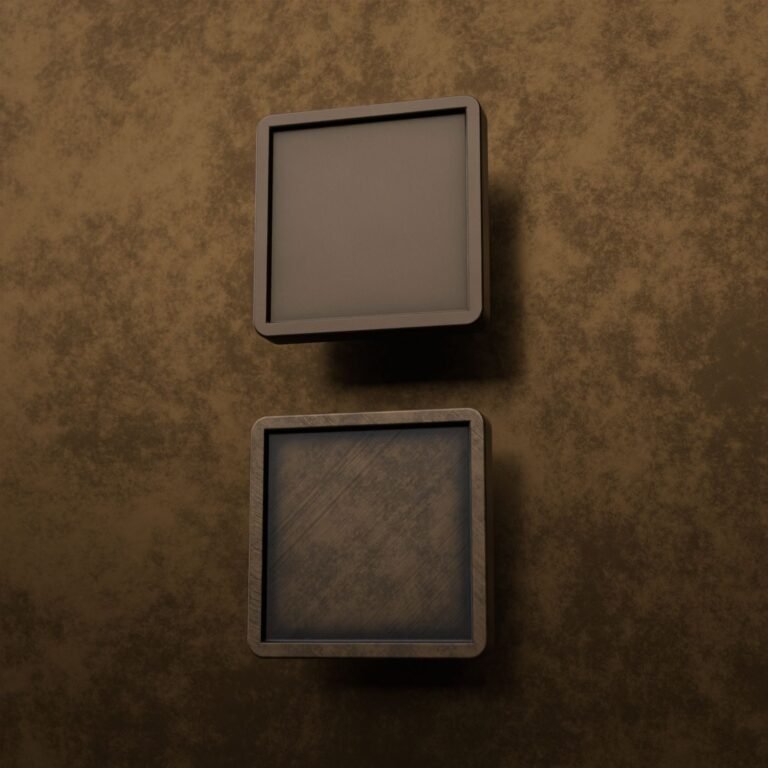
- Essential, the neutral register. No pattern, just the silhouette in its purest form. It’s the base note, the one you repeat without a second thought and that never tires the eye. The silence against which everything else stands out.
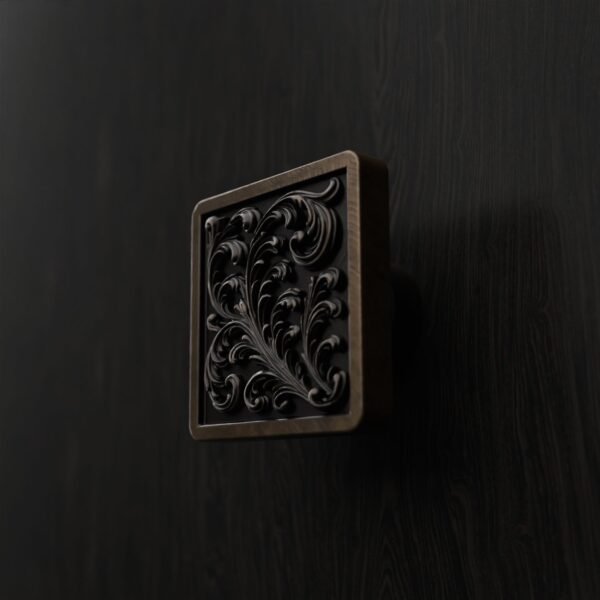
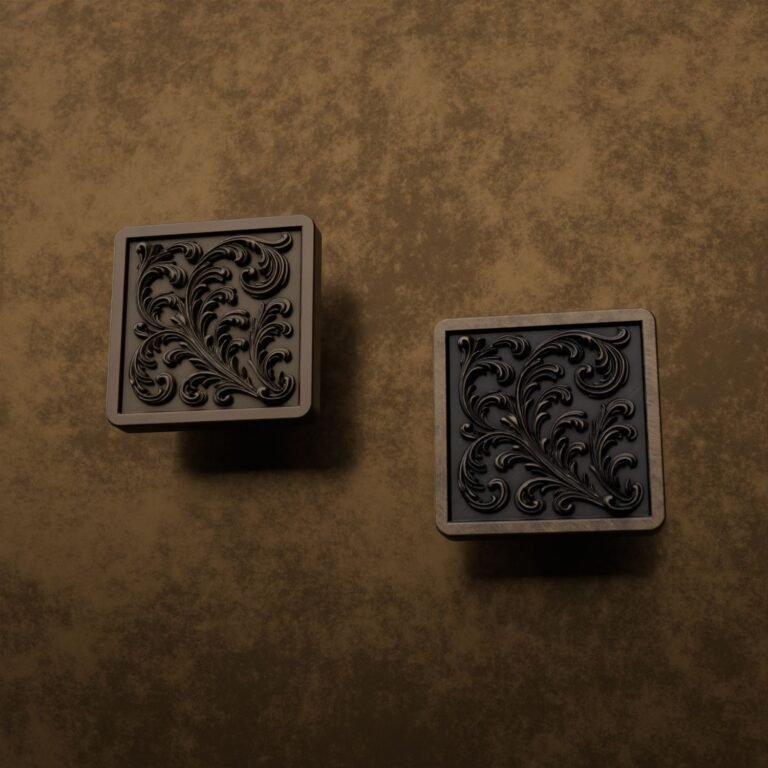
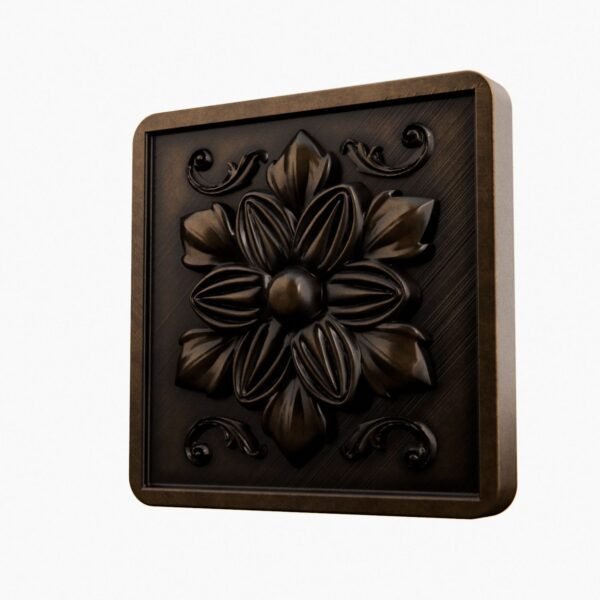
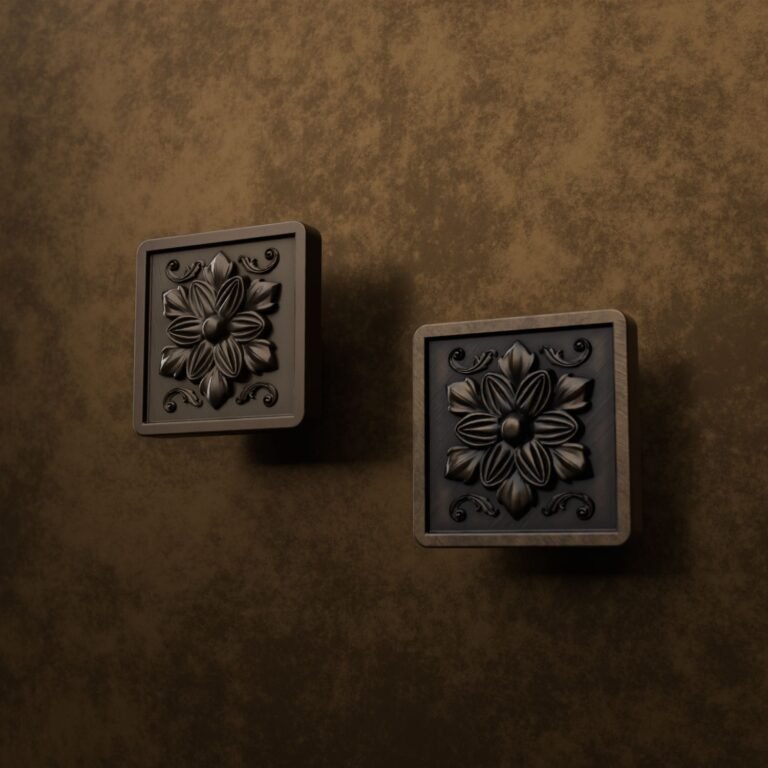
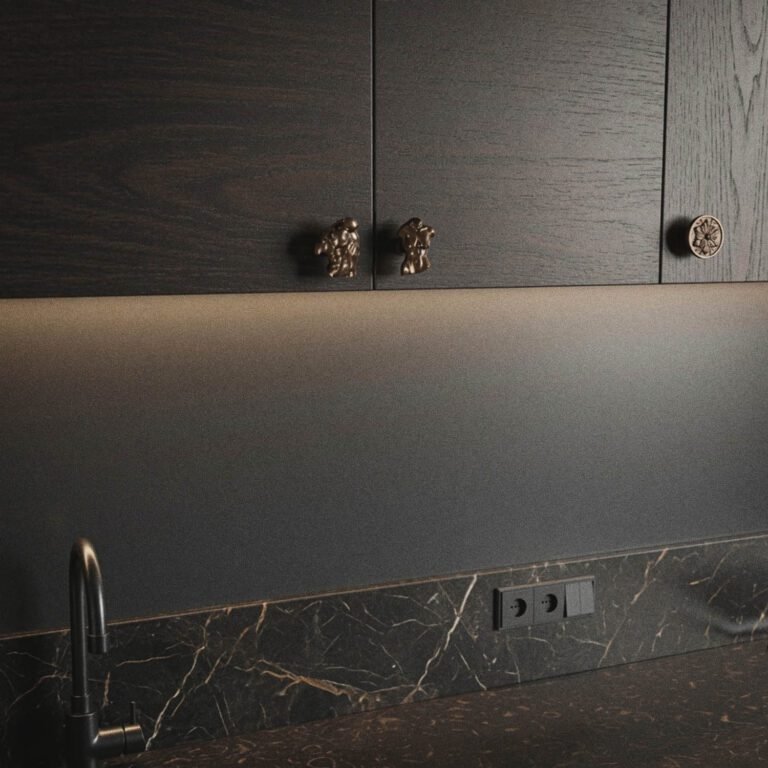
- Ornamental patterns. Decorative, abstract designs drawn from the great Western repertoire, the acanthus scrolls of Scrollwork, the radiating bloom of the Rosette, and the family keeps growing. They dress the piece without telling a story: they add texture and detail where Essential leaves the surface bare.
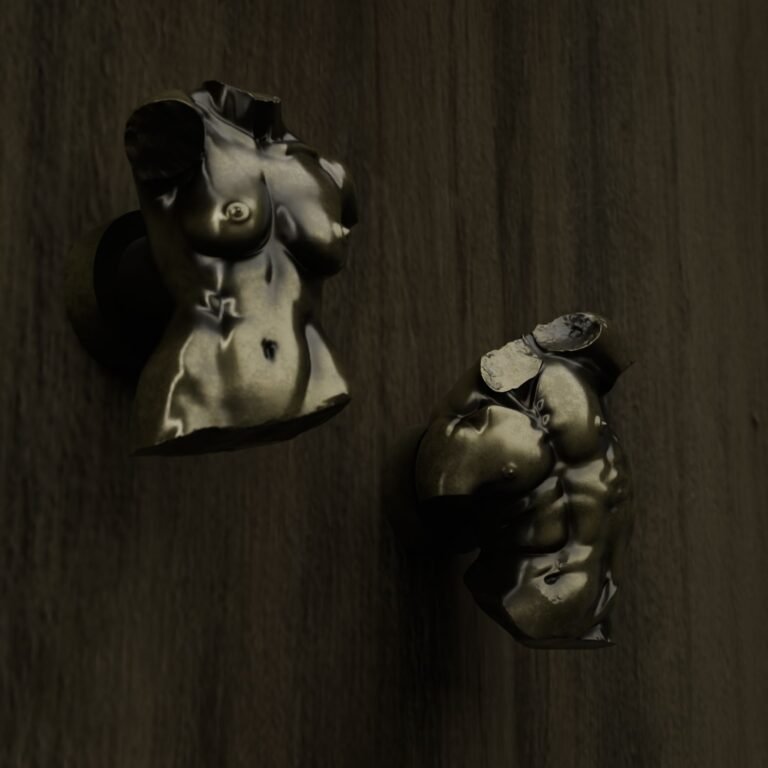
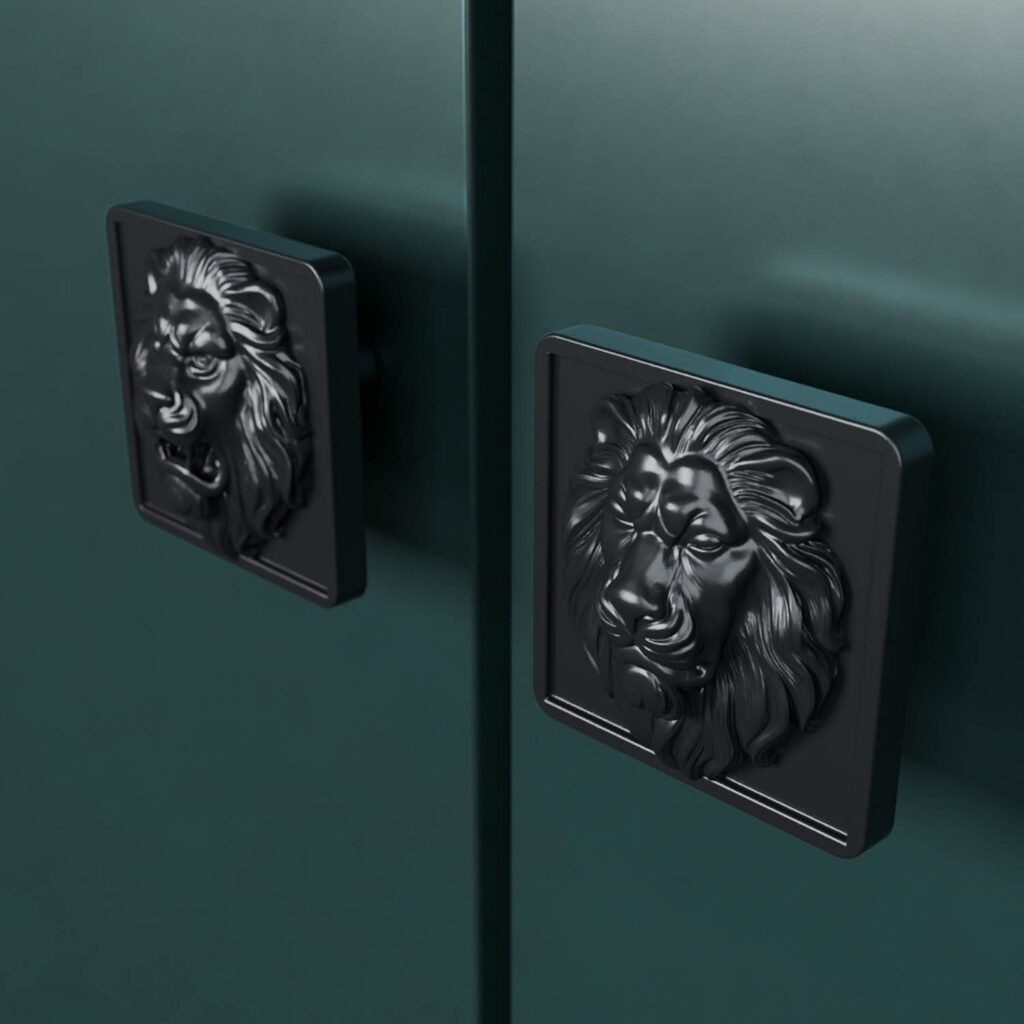
- Sculptural patterns. Figures, almost small sculptures, a Roaring Lion, a Sleeping Lion, and everything still to come. These are the bold patterns, the ones the eye finds first and that can’t take too much repetition. We reserve them, placing them where the gaze lands first.
Whether you’re choosing between two ornamental patterns or ten, the principle doesn’t change: the family guides the composition, never the catalog.
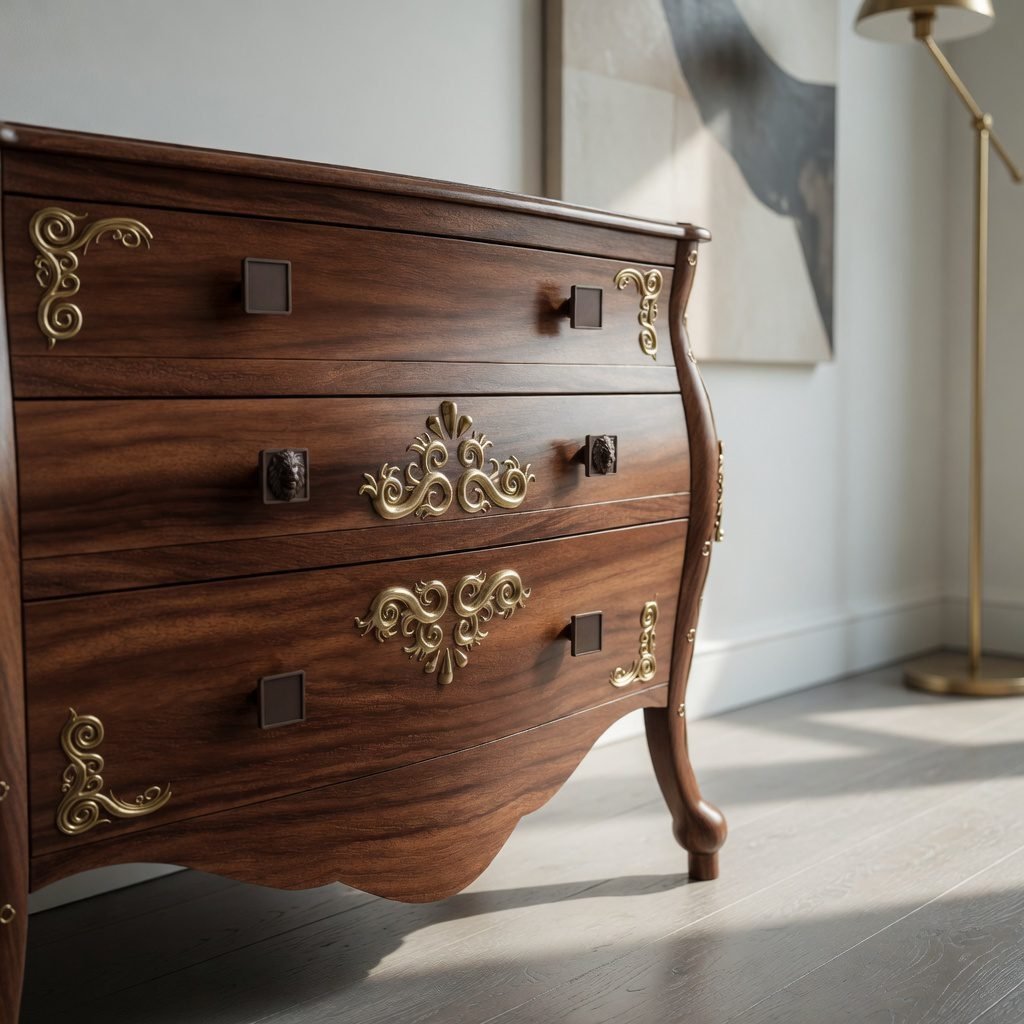
Take the Palazzo Square. It’s a line, a presence. Add a sculptural figure and it gains flair. Slip in an ornamental pattern and it softens into scrolls or a bloom. Choose Essential and it turns understated, letting everything else breathe. One shape, several intentions, and just as many roles possible on a single piece of furniture.
To Compose Is to Prioritize
This is where everything comes together. By keeping one silhouette across an entire piece, you hold the whole composition steady: the eye recognizes a family, a hand, an intention. By varying the patterns within that single shape, you create rhythm and guide the gaze.
The rule is simple: not everything deserves the same attention. The doors you see, the main front, the drawer you open first can carry a sculptural pattern. Secondary drawers, low cabinets, service surfaces are content with Essential. Sculptural becomes an accent; Essential, the fabric that ties everything together; ornamental, the in-between that adds warmth without taking over. Too many accents and nothing stands out anymore; none at all, and the whole piece falls flat.
You compose the way you set a beautiful table: the plates match, but the center holds the flowers and the candlesticks. Nothing is quite the same, and yet everything is in harmony, because a single thread runs from one end to the other.
Three Ways to Put It Into Practice
The kitchen, understated with a single accent. The entire room in Classica Round Essential, from the tall cabinets to the base units, for a calm, continuous foundation. Then one bold gesture: a sculptural figure above the range hood, or on the kitchen island. The eye knows at once where to land, and everything else falls quiet to let it speak.
The dresser, a variation by drawer. Same silhouette from top to bottom, but a pattern that evolves: the ornamental on the top drawer, at eye level, then the Essential further down. The piece reads like a sentence settling into calm, and the consistency of form keeps the variation from turning into disorder.
The walk-in closet, ornament everywhere, without a figure. The same ornamental pattern carried across every door: no hierarchy here, just a material that reads as uniform and precious, a detail discovered up close without ever raising its voice. Repeating an ornamental pattern doesn’t tire the eye the way a figure would: it envelops.
This grammar is yours, and it grows richer with every new pattern. The silhouette is the thread, the pattern is the word, and the sentence is yours to write.